By Dr. Jerath|MAY 8TH 2026
Peptide therapy is a physician-supervised approach that uses targeted amino acid chains to support fat loss, muscle preservation, insulin sensitivity, and hormone optimization through multiple metabolic pathways. Unlike GLP-1 medications, which primarily address appetite and blood sugar, broader peptide protocols can be customized to address growth hormone signaling, body recomposition, and metabolic resistance. At Geneva Primary Care and Med Spa in Alpharetta, every peptide therapy program begins with comprehensive lab testing and an individualized treatment plan designed and monitored by a physician.
Introduction: Why Patients Are Turning to Peptide Therapy
If you’ve spent time researching weight loss and metabolic health, you’ve probably run into questions like these: What is peptide therapy for weight loss? Are peptides better than GLP-1 medications? Can peptides actually help with fat loss and muscle growth at the same time? You’re not alone in asking them, and the answers are worth understanding carefully before you commit to any program.
Patients across Alpharetta and the greater Atlanta area are increasingly moving beyond conventional weight loss approaches. Some have tried caloric restriction and exercise without lasting results. Others have had success with GLP-1 injections but want to address muscle preservation and metabolic function more broadly. Peptide therapy has emerged as a physician-guided option that targets multiple aspects of metabolism simultaneously — not just appetite, but hormone signaling, fat metabolism, and lean tissue preservation.
What separates effective peptide therapy from the noise online is medical supervision. Peptides are powerful signaling molecules, and their effects depend entirely on which ones you use, how they’re dosed, and whether your protocol is designed around your individual biology. At Geneva Primary Care and Med Spa, our approach to peptide therapy in Alpharetta starts with lab testing, a full metabolic evaluation, and a customized plan — not a one-size-fits-all injection schedule pulled from a wellness forum.
This guide covers what peptide therapy is, how it works, who it’s appropriate for, and what to expect from a physician-supervised program. If you’re ready to explore whether peptide therapy fits your goals, the next step is a consultation.
Schedule a Metabolic Optimization Consultation in Alpharetta
What Is Peptide Therapy?
Peptides are short chains of amino acids — the same building blocks that make up proteins — that act as signaling molecules throughout the body. They communicate with cells, organs, and glands, telling them to do specific things: release hormones, regulate metabolism, repair tissue, or modulate immune responses. Your body already produces hundreds of peptides naturally. Peptide therapy uses pharmaceutical-grade versions of these compounds to amplify or restore signaling that may have become less efficient over time.
In a clinical setting, peptide therapy is physician-supervised, tailored to individual biology, and used to support measurable health outcomes including metabolic health and body composition. This isn’t the same as taking a supplement or ordering something from an online store. Medical peptide therapy involves a full health assessment, lab work, and an individualized protocol that’s monitored and adjusted over time.
The peptides used in medical weight loss and metabolic optimization can influence a range of biological functions:
- Insulin sensitivity. Some peptides support the body’s ability to respond effectively to insulin, which is central to how your body stores and burns fat.
- Appetite regulation. Certain peptides signal the brain and gut to reduce hunger and slow gastric emptying, making it easier to maintain a caloric deficit.
- Growth hormone release. Peptides in the growth hormone-releasing category stimulate the pituitary gland to produce more growth hormone, which affects fat metabolism, muscle maintenance, and recovery.
- Fat metabolism. Several peptides directly influence lipolysis, the process by which stored fat is broken down and used for energy.
Understanding this range of effects is what makes peptide therapy different from a single-mechanism medication. A well-designed protocol can address multiple metabolic challenges at once.
How Peptides Work in the Body
The mechanism behind peptide therapy is rooted in receptor biology. Here’s a plain-language explanation of how it works at each level.
Cellular Signaling and Receptor Activation
When a peptide enters the body, it travels to target tissues and binds to specific receptors on cell surfaces. Think of it like a key fitting into a lock: each peptide has a structure that fits only certain receptors, which means its effects are targeted rather than systemic in the way that some medications are. Once bound, the receptor sends a signal into the cell that triggers a downstream biological response — releasing a hormone, activating a metabolic pathway, or initiating tissue repair.
This specificity is one of the reasons peptide therapy appeals to physicians who want to address particular metabolic dysfunctions without the broad-action side effect profiles of some pharmaceutical drugs.
Hormonal Regulation and Metabolic Impact
Some of the most clinically relevant peptides work by influencing hormonal pathways. Growth hormone-releasing peptides, for example, stimulate the pituitary gland to produce and release more growth hormone. Growth hormone plays a central role in fat metabolism, muscle synthesis, and how your body handles energy.
Other peptides work through insulin signaling pathways, improving the efficiency of glucose uptake and reducing the tendency to store excess calories as visceral fat. Still others interact with the gut-brain axis, influencing how full you feel and how quickly your stomach empties after a meal — the same axis that semaglutide injections and other GLP-1 therapies work through.
Body Composition Effects
Because peptides can influence multiple systems simultaneously, they’re often used specifically for body recomposition goals — the combination of losing fat while preserving or building lean muscle. This is a challenge that traditional calorie-restriction approaches struggle with, since significant caloric deficits tend to cause muscle loss alongside fat loss. Certain peptide protocols are designed to protect lean tissue during the weight loss process, supporting better long-term metabolic health and physical function.
Types of Peptides Used in Medical Weight Loss and Optimization
Peptide therapy is not a single treatment — it’s a category that includes many different compounds, each with distinct mechanisms and clinical applications. Here’s an overview of the main categories used in physician-supervised metabolic programs.
GLP-1 Related Peptides
GLP-1 (glucagon-like peptide-1) receptor agonists are the most widely recognized peptides in weight loss medicine right now. These include compounds like semaglutide and tirzepatide, which work primarily by mimicking the body’s natural GLP-1 hormone to reduce appetite, slow gastric emptying, and improve blood sugar control. They are FDA-approved for weight management and type 2 diabetes and represent some of the most clinically studied metabolic peptides available.
If you’re exploring whether medical weight loss is right for you, GLP-1 peptides are often an important starting point. You can learn more about how semaglutide works for weight loss and explore tirzepatide injections as an option that targets both GLP-1 and GIP receptors.
Growth Hormone-Releasing Peptides (GHRH and GHRP)
This category includes peptides that stimulate the body’s natural production of growth hormone rather than introducing synthetic growth hormone directly. Compounds like tesamorelin, sermorelin, and various GHRP formulations fall into this group. They are used to support fat metabolism — particularly visceral adiposity — as well as muscle preservation, sleep quality, and recovery.
Growth hormone-releasing peptides tend to be used in patients whose growth hormone output has declined with age or in those whose body composition goals go beyond what appetite suppression alone can achieve. Because they work through the body’s own pituitary signaling, they are generally considered a more physiologic approach than exogenous growth hormone.
Emerging Metabolic Peptides
Research in peptide therapy continues to advance, and newer agents are targeting multiple metabolic receptors simultaneously. Multi-receptor agonists, sometimes called triple agonists (targeting GLP-1, GIP, and glucagon receptors together), represent the next generation of metabolic therapy. These agents are showing significant promise in clinical trials for their ability to drive fat loss while also influencing energy expenditure more broadly.
Staying current on emerging options is one reason why working with a physician-led clinic matters. Understanding the differences between tirzepatide and other GLP-1 medications is a good foundation for understanding how multi-receptor approaches work.
Peptide Combinations and Stacking
In some physician-guided programs, two or more peptides are used together in what’s sometimes called a “stack.” The goal is to address multiple metabolic pathways simultaneously — for example, combining an appetite-regulating peptide with a growth hormone-releasing peptide to support both fat loss and muscle preservation at the same time.
Peptide stacking is not a DIY approach. The interactions between peptides, timing of administration, and dosing adjustments require medical oversight and regular monitoring. When done correctly within a supervised program, combinations can be more effective than any single peptide alone.
Peptide Therapy vs GLP-1 Medications: Key Differences
This is one of the most common points of confusion for patients exploring their options, and it’s worth being precise about the distinction.
GLP-1 medications like semaglutide and tirzepatide are technically a subcategory of peptide therapy — they are peptides. But when most physicians use the phrase “peptide therapy” in the context of metabolic optimization, they’re referring to a broader program that may include growth hormone-releasing peptides, metabolic peptides, and other compounds that work through entirely different pathways than GLP-1 receptor agonists.
Here’s how the two approaches compare:
| Feature |
GLP-1 Medications |
Broader Peptide Therapy |
| Primary mechanism |
Appetite reduction and blood sugar regulation |
Multiple metabolic pathways depending on peptide type |
| FDA approval status |
FDA-approved for weight management and T2D |
Varies by peptide; some approved, others used off-label or via compounding |
| Effect on muscle mass |
Does not directly support muscle preservation |
Certain peptides specifically target lean tissue preservation |
| Growth hormone influence |
No direct effect |
GHRH/GHRP peptides directly stimulate GH production |
| Fat metabolism specificity |
Indirect (through caloric reduction) |
Direct lipolytic effects with some peptide categories |
| Customization potential |
Limited to approved medications and doses |
Protocols can be layered based on individual metabolic profile |
The practical implication is this: if your primary goal is appetite control and meaningful weight loss, GLP-1 medications are often the right starting point and have the strongest clinical evidence behind them. If your goals also include muscle preservation, improved recovery, hormonal optimization, or addressing specific metabolic dysfunctions that GLP-1s don’t target, a broader peptide therapy program may be more appropriate. Some patients benefit from both.
You can explore this distinction further in our guide on semaglutide vs tirzepatide and in our overview of how metabolic testing and hormones affect weight loss.
Potential Benefits of Peptide Therapy
The benefits patients seek from peptide therapy span several areas of metabolic and physical health. Here’s what the clinical use of these compounds is designed to support, along with an honest framing of what to expect.
- Fat loss support. Peptides that influence appetite regulation, lipolysis, or growth hormone release can contribute to meaningful reductions in body fat percentage, particularly visceral fat, when used alongside appropriate nutrition and activity.
- Improved insulin sensitivity. Several peptide categories support more efficient glucose metabolism, reducing the tendency toward blood sugar dysregulation that often underlies weight gain and metabolic resistance.
- Lean muscle preservation. Unlike caloric restriction alone, certain peptide protocols actively signal the body to protect and maintain lean muscle mass, which is critical for long-term metabolic health and physical function.
- Enhanced recovery. Growth hormone-releasing peptides in particular support tissue repair and recovery, which benefits both active patients and those managing conditions that impair normal healing.
- Hormonal balance support. By working through natural signaling pathways, peptide therapy can help restore hormonal patterns that have shifted with age, stress, or metabolic dysfunction.
It’s important to be clear: results from peptide therapy vary based on the specific protocol used, the patient’s baseline health, adherence to the treatment plan, and lifestyle factors including nutrition and physical activity. Peptide therapy is not a replacement for foundational health habits — it’s a clinical tool used alongside them. A physician-supervised program sets realistic expectations and tracks your progress against measurable markers, not just scale weight.
Who Is a Candidate for Peptide Therapy?
Peptide therapy isn’t the right fit for every patient, which is exactly why a medical evaluation is required before starting any protocol. That said, there are common profiles that tend to benefit most from this approach.
Candidates for metabolic peptide therapy often include:
- Patients with metabolic resistance. If you’ve been eating well and exercising consistently but still struggle to lose weight or change your body composition, there may be an underlying metabolic or hormonal factor. Lab testing can identify these patterns and inform whether peptide therapy is an appropriate intervention.
- Individuals who haven’t seen sufficient results with GLP-1 medications alone. Some patients lose meaningful weight on semaglutide or tirzepatide but also experience muscle loss or find that their results plateau. Adding specific peptides to the protocol may address these gaps.
- Those pursuing body recomposition rather than just weight loss. If your goal is to lose fat while maintaining or building lean muscle — not simply to see a lower number on the scale — broader peptide protocols offer tools that weight-focused medications don’t.
- Patients experiencing age-related metabolic decline. Growth hormone output decreases significantly with age. Patients in their 40s and 50s who are noticing increased fat accumulation, reduced recovery, and muscle loss may benefit from growth hormone-releasing peptides as part of a comprehensive plan.
Every candidate must undergo lab testing and a full medical evaluation before beginning treatment. This is not optional — it’s what makes the difference between a protocol that works and one that doesn’t. You can learn more about what to expect from that first appointment in our guide to your first medical weight loss consultation in Alpharetta.
Are Peptides Safe? What Patients Need to Know
Patient safety is the question that should lead every conversation about peptide therapy, and it deserves a straightforward answer rather than marketing-speak.
Peptide therapy can be safe and effective when prescribed and monitored by a qualified medical provider. The critical variables are physician oversight, pharmaceutical-grade or properly regulated compounding sources, individualized dosing, and ongoing monitoring. When those elements are present, risk is substantially reduced. When they’re absent — as is the case with most online peptide marketplaces — the risks increase significantly.
What Increases Risk in Peptide Therapy
- Unregulated sourcing. A significant portion of peptides sold online are not pharmaceutical grade. Contamination, mislabeling, and inconsistent potency are real problems in unregulated products.
- Improper dosing without medical screening. Peptide dosing is not universal. What’s appropriate for one patient’s biology may be too much or too little for another, and incorrect dosing can produce side effects or undermine results.
- Lack of monitoring. Without regular lab work and clinical check-ins, problems can go undetected and unaddressed.
- Self-administration without guidance. Even the injection technique matters. Subcutaneous injections require proper training to be done safely and consistently.
It’s also worth noting that not all peptides are FDA-approved. Some are used off-label or prepared through licensed compounding pharmacies. This doesn’t mean they’re unsafe, but it does mean that the physician’s expertise in sourcing and protocol design matters more, not less. Medical clinics that take compounding pharmacies and quality sourcing seriously offer a fundamentally different experience than ordering from an anonymous website. Our complete guide to GLP-1 safety covers related principles that apply to peptide therapy broadly.
Why Medical Supervision Matters in Peptide Therapy
If there’s one message to carry through every section of this article, it’s this: peptide therapy is not a DIY intervention.
The biological pathways that peptides influence — hormone production, insulin signaling, fat metabolism, muscle preservation — are interconnected systems. Adjusting one can affect others. A physician-supervised program accounts for these interactions through individualized dosing, scheduled lab monitoring, and regular assessment of how your body is responding.
Here’s what medical supervision actually looks like in practice:
- Baseline lab testing. Before any peptide is prescribed, comprehensive labs establish your metabolic baseline — fasting glucose, insulin, lipid panel, hormone levels, thyroid function, and more. These results guide which peptides are appropriate and at what doses.
- Individualized protocol design. Your program is built around your specific lab results, health history, body composition goals, and any medications or conditions that affect how you’ll respond to treatment.
- Ongoing monitoring and adjustment. Labs are repeated at intervals to track how your metabolic markers are shifting. Protocols are adjusted based on real data, not assumptions.
- Risk management. A physician can identify contraindications, watch for early signs of side effects, and make real-time clinical decisions that no online protocol can replicate.
This level of oversight is also what produces better outcomes. Patients who are monitored and whose protocols are adjusted based on response data consistently do better than those who follow a static plan without clinical guidance. Physician-supervised care for metabolic health is something we believe in strongly at Geneva, whether that’s chronic disease management, testosterone replacement therapy, or peptide-based metabolic optimization.
Why Alpharetta Patients Choose Geneva Med for Peptide Therapy
There are a lot of options in the Alpharetta and Johns Creek area for anyone interested in weight loss or wellness treatments. What matters is finding a clinic where the clinical foundation is real, not just the marketing.
Geneva Primary Care and Med Spa is a physician-directed practice. That means your peptide therapy program is designed and overseen by a physician, not delegated to a technician following a script. Our approach is evidence-based: we use protocols supported by clinical research and adjust them based on your individual lab data and health markers, not on what’s trending.
A few specific reasons patients choose us:
- Comprehensive metabolic evaluation. We don’t start with a peptide — we start with a full picture of your health. Lab work, health history, body composition, and your personal goals all inform the plan.
- Customized treatment protocols. There is no standard peptide package here. Your protocol is designed for you, and it evolves as your body responds and your goals shift.
- Integration with broader care. Peptide therapy at Geneva can be integrated with other services including IV drip therapy, GLP-1 weight loss injections, and primary care services — so your metabolic health is supported from multiple angles.
- Long-term focus. We are not a quick-fix clinic. Our goal is sustainable metabolic improvement, which means we’re invested in your progress beyond the first few appointments.
- Transparency about what peptides can and can’t do. We’ll tell you honestly what a given protocol is likely to achieve based on your situation, and we won’t overpromise results.
Whether you’re exploring peptide therapy for the first time or you’ve done your research and are ready to get started, the next step is a consultation where we can look at your individual situation and build a plan from there.
Schedule Your Peptide Therapy Consultation at Geneva Med in Alpharetta
Frequently Asked Questions
What is peptide therapy used for
Peptide therapy is used to support weight loss, metabolic health, muscle preservation, and hormone optimization. In a physician-supervised setting, peptide injections are selected to influence how the body regulates fat metabolism, appetite, hormone production, and cellular repair. Protocols are customized based on individual lab results, health history, and body composition goals — the specific peptides used and how they’re combined determine what outcomes the therapy targets.
Is peptide therapy the same as GLP-1 medications
No. GLP-1 medications like semaglutide and tirzepatide are a specific subcategory of peptide therapy that primarily target appetite control and blood sugar regulation. Peptide therapy in a broader medical context includes many other types of compounds — including growth hormone-releasing peptides, metabolic peptides, and multi-receptor agonists — that work through entirely different biological pathways. Whether GLP-1 medications, broader peptide therapy, or a combination is appropriate depends on your individual goals and medical profile.
Are peptides safe for weight loss
Peptide therapy can be safe for weight loss when it is prescribed and monitored by a qualified medical provider. Safety depends on several factors: proper medical screening before starting, individualized dosing based on lab results, use of pharmaceutical-grade or properly regulated compounded peptides, and ongoing monitoring throughout treatment. The risks associated with peptide therapy are significantly higher when peptides are obtained from unregulated online sources and self-administered without medical oversight.
Do peptides help build muscle while losing fat
Certain peptides are used specifically to support body recomposition, which means reducing fat mass while preserving or supporting lean muscle. This effect is typically associated with growth hormone-releasing peptides, which influence the body’s natural growth hormone production and downstream muscle and fat metabolism pathways. Results vary based on the specific protocol, lifestyle factors including nutrition and strength training, and how consistently the treatment plan is followed. A physician-supervised program can help optimize a protocol for recomposition goals specifically.
Who should consider peptide therapy
Peptide therapy may be appropriate for individuals experiencing metabolic resistance, age-related changes in body composition, or persistent difficulty with fat loss despite consistent effort. It’s also worth considering for patients who have had partial success with GLP-1 medications but are also experiencing muscle loss or a plateau. Any evaluation begins with lab testing and a full medical history review. There is no way to determine whether peptide therapy is appropriate — or which peptides to use — without that clinical foundation.
How is peptide therapy administered
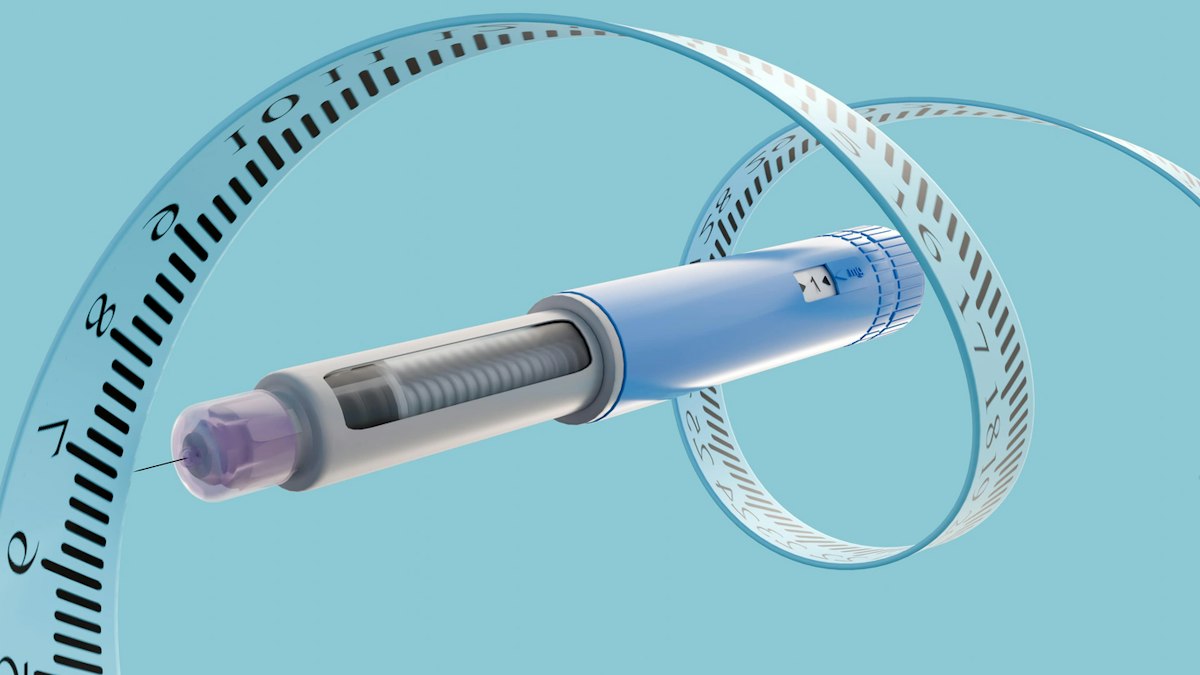
Most peptide therapy protocols use subcutaneous injections, which are small injections into the fatty tissue just beneath the skin. This method allows for efficient absorption and predictable delivery. The injection frequency, timing, and dose depend on the specific peptide being used and your individual protocol. Your medical provider will walk you through injection technique at your first appointment and will monitor your response to ensure the protocol is working as intended. Some peptides may also be available in other delivery forms, which your provider can discuss based on your clinical situation.
The Right Peptide Therapy Program Starts With the Right Clinical Partner
Peptide therapy has real potential for metabolic optimization, but only when it’s designed and supervised by a physician who understands the full picture of your health.
The patients who see the best results from peptide protocols are those who approach it as a clinical intervention — not a wellness trend. That means starting with thorough lab work, having honest conversations about realistic outcomes, and committing to ongoing monitoring and adjustment. At Geneva Primary Care and Med Spa, that’s exactly the standard we hold ourselves to.
If you’re in Alpharetta, Johns Creek, or the surrounding area and you’re ready to explore whether peptide therapy fits your metabolic goals, we’d like to hear from you. Take a look at our peptide therapy service page for more on what our program involves, or check out our broader medical weight loss services to see how peptide therapy fits into a comprehensive approach to metabolic health.
Geneva Primary Care and Med Spa
3275 North Point Parkway Suite 204
Alpharetta, GA 30005
Phone (470) 704-9687
Schedule Your Peptide Therapy Consultation in Alpharetta