
GENEVA
Journals
Wellness, Longevity & Aesthetics

Filter by Category
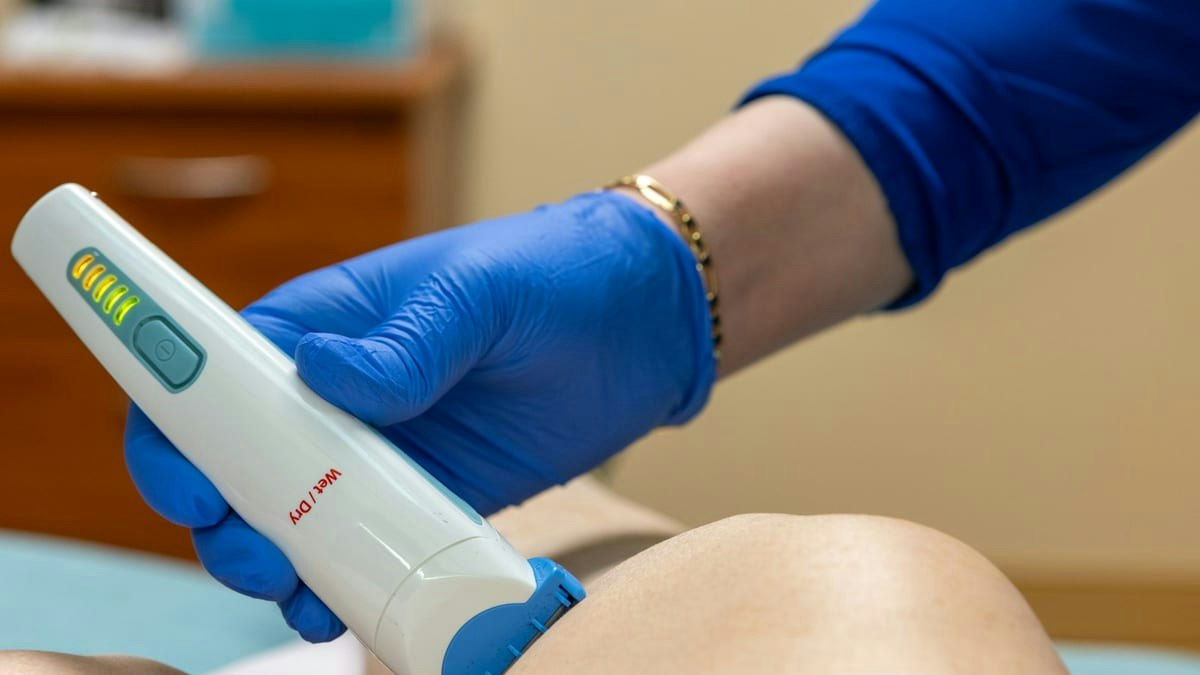
Laser Hair Removal: How It Works, Results, and What to Expect | Geneva Med
Laser hair removal uses targeted light energy to damage hair follicles and reduce regrowth over time, with most patients needing 6 to 8 sessions spaced every 4 to 6 weeks for optimal results. It provides long-term hair reduction rather than complete permanent removal, though most patients see an 80 to 90 percent decrease in hair growth after a full treatment cycle. At Geneva Med Spa in Alpharetta, treatment plans are customized to your skin type and hair characteristics using medical-grade laser technology for safe, consistent results.
Read ArticleWritten by Dr. Jerath at 07/13/2026
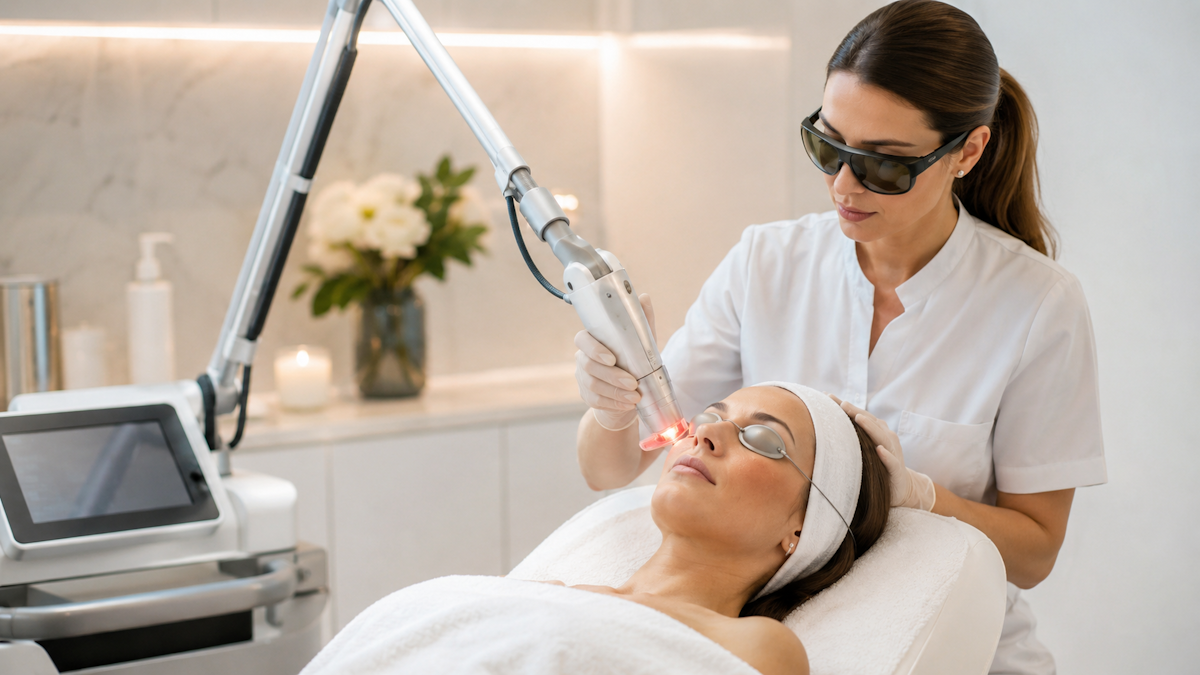
Laser Skin Treatments: How They Work, Benefits, and What to Expect
Laser skin treatments use focused light energy to target specific concerns such as unwanted hair, pigmentation, fine lines, and uneven texture by delivering controlled heat to precise structures within the skin. Different laser systems are calibrated for different conditions, which is why a proper skin evaluation is essential before treatment. Results build progressively over a series of sessions and work best as part of a long-term skin health strategy guided by a qualified medical provider.
Read ArticleWritten by Dr. Jerath at 07/10/2026

Who Is a Candidate for Peptide Therapy? Eligibility, Labs & Medical Screening Explained
Peptide therapy eligibility is determined through a physician-led evaluation that includes lab testing for metabolic markers, hormone levels including IGF-1, and baseline health status — not symptoms alone. Patients with weight loss resistance, metabolic dysfunction, or body composition challenges are often good candidates, while those with certain uncontrolled medical conditions or without proper screening are not. At Geneva Primary Care and Med Spa in Alpharetta, every peptide therapy protocol begins with comprehensive lab work and ends with an individualized treatment plan built around your actual clinical data.
Read ArticleWritten by Dr. Jerath at 05/18/2026

Peptides vs GLP-1 Medications for Weight Loss: Key Differences Explained
GLP-1 medications like semaglutide and tirzepatide reduce appetite and regulate blood sugar to drive total weight loss, while peptide therapy uses a broader range of compounds to support fat loss, muscle preservation, and metabolic optimization through multiple pathways. Neither approach is universally better; the right choice depends on your goals, lab results, and a thorough medical evaluation. At Geneva Primary Care and Med Spa in Alpharetta, physician-supervised consultations help patients identify whether a GLP-1 protocol, a customized peptide plan, or a combination of both is the most appropriate path forward.
Read ArticleWritten by Dr. Jerath at 05/12/2026

Are Peptides Safe for Weight Loss? Risks, Benefits & What Patients Should Know | Geneva Med Spa
Peptide therapy can be safe for weight loss when prescribed and monitored by a qualified medical provider using regulated sources and individualized dosing protocols. Risks increase significantly when peptides are obtained online without a prescription, used without medical supervision, or sourced from unregulated manufacturers with no quality control. At Geneva Primary Care and Med Spa in Alpharetta, every peptide therapy plan begins with lab testing and physician oversight to keep safety at the center of your treatment from start to finish.
Read ArticleWritten by Dr. Jerath at 05/11/2026

Muscle Stack Peptides Explained: Clinical Use for Muscle, Fat Loss & Recovery
Muscle stack peptides are physician-guided combinations of peptides used together to support lean muscle preservation, fat metabolism, and recovery by targeting multiple biological pathways at once. In a clinical setting, stacking is not about aggressive muscle building but about improving body composition safely, including protecting lean mass during weight loss. Results depend on proper peptide selection, accurate dosing, and ongoing medical supervision, which is why these protocols should only be pursued through a licensed medical provider.
Read ArticleWritten by Dr. Jerath at 05/10/2026

Peptide Therapy in Alpharetta: A Physician-Led Guide to Weight Loss & Metabolic Optimization
Peptide therapy is a physician-supervised approach that uses targeted amino acid chains to support fat loss, muscle preservation, insulin sensitivity, and hormone optimization through multiple metabolic pathways. Unlike GLP-1 medications, which primarily address appetite and blood sugar, broader peptide protocols can be customized to address growth hormone signaling, body recomposition, and metabolic resistance. At Geneva Primary Care and Med Spa in Alpharetta, every peptide therapy program begins with comprehensive lab testing and an individualized treatment plan designed and monitored by a physician.
Read ArticleWritten by Dr. Jerath at 05/08/2026

How Long Does ADHD Medication Take to Work? Timeline and Expectations
Stimulant ADHD medications typically begin working within 30 to 60 minutes, while non-stimulant medications take several days to weeks to reach full effectiveness. Finding the right medication and dose is often an iterative process that requires ongoing monitoring and adjustment by a physician. At Geneva Med in Alpharetta, ADHD care includes personalized evaluation, same-day treatment options, and follow-up visits designed to optimize your results over time.
Read ArticleWritten by Dr. Jerath at 05/04/2026

ADHD Medication Side Effects and Safety: What You Need to Know
ADHD medications are generally safe when prescribed and monitored by a licensed medical provider, with common side effects like appetite changes, sleep disruption, and mild mood shifts being manageable through dosage adjustments and follow-up care. Stimulant medications are not inherently dangerous, and non-stimulant options offer an alternative for patients with specific health factors that make stimulants a poor fit. Ongoing medical supervision is what separates safe, effective ADHD treatment from the risks that arise when medication is used without proper evaluation and monitoring.
Read ArticleWritten by Dr. Jerath at 05/03/2026