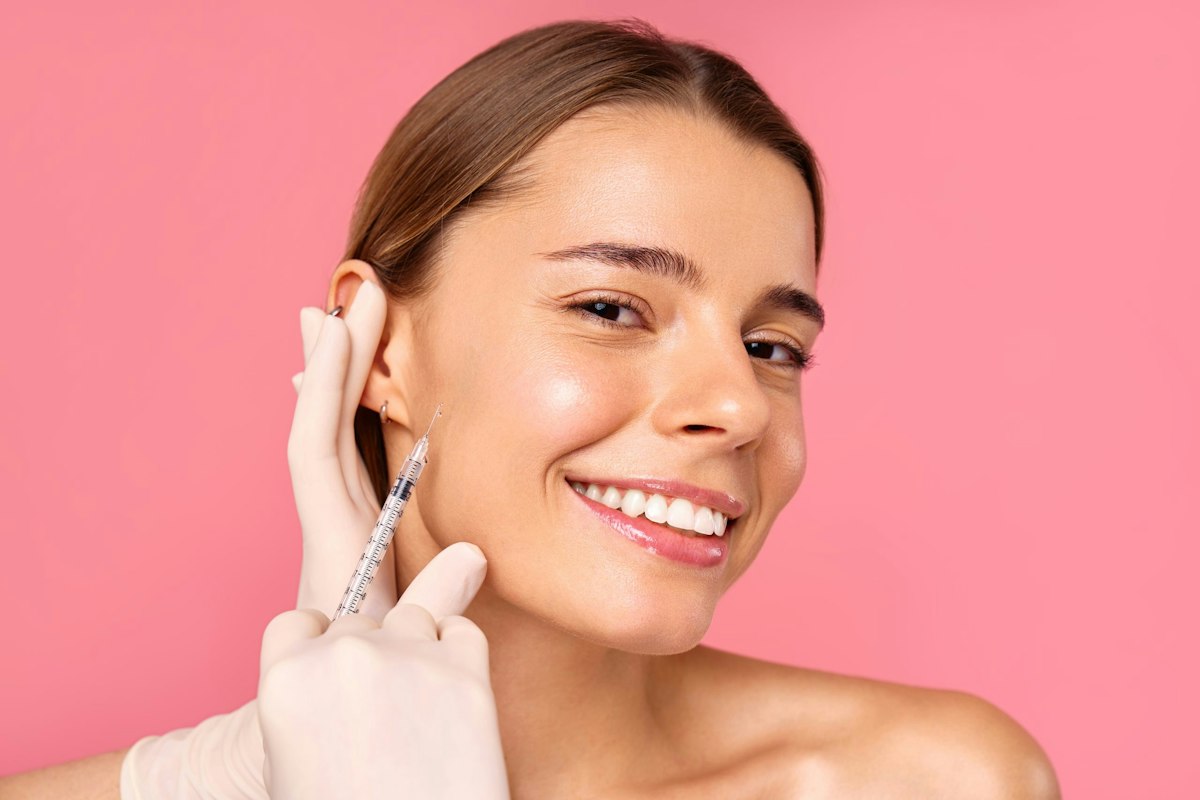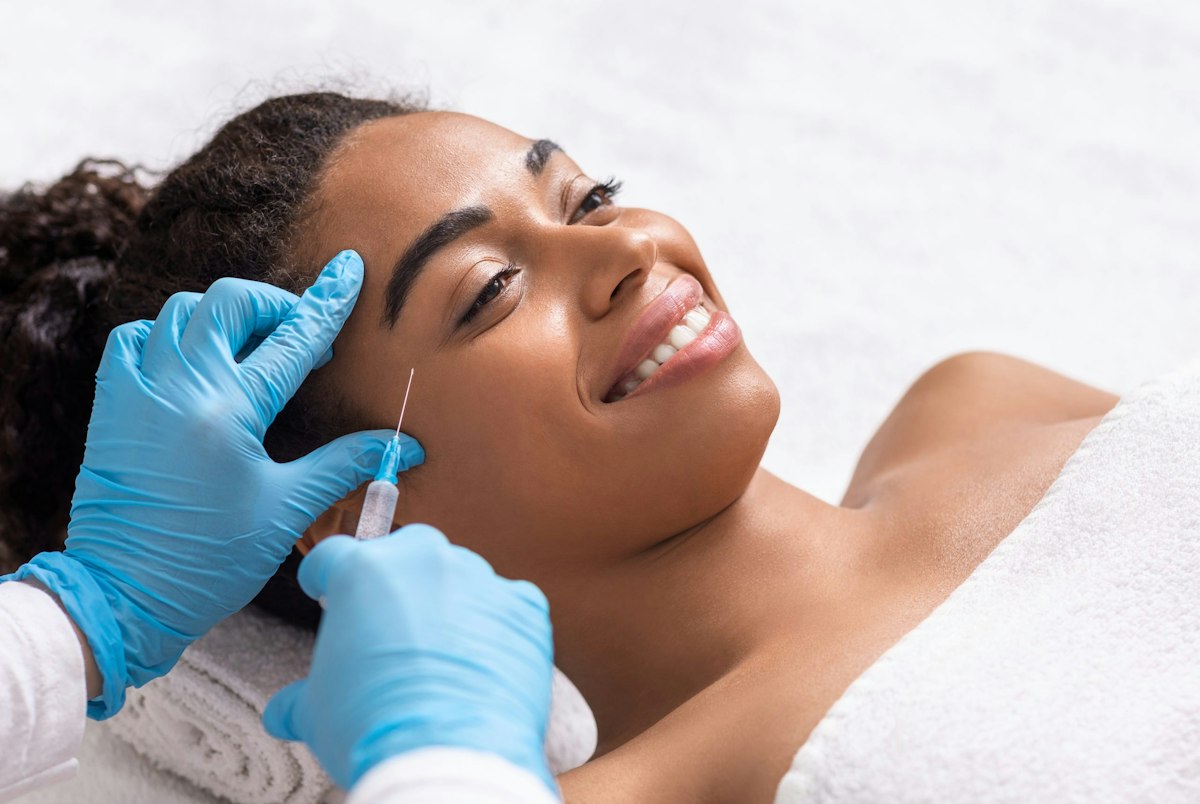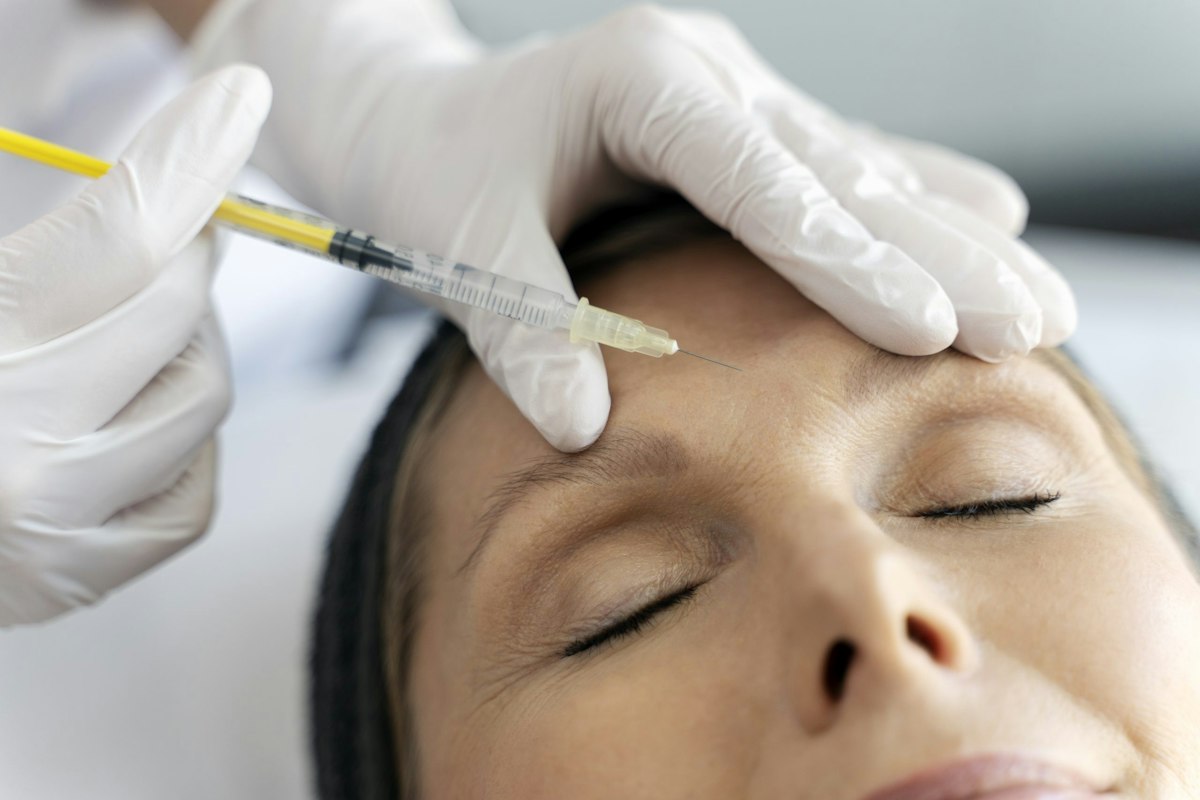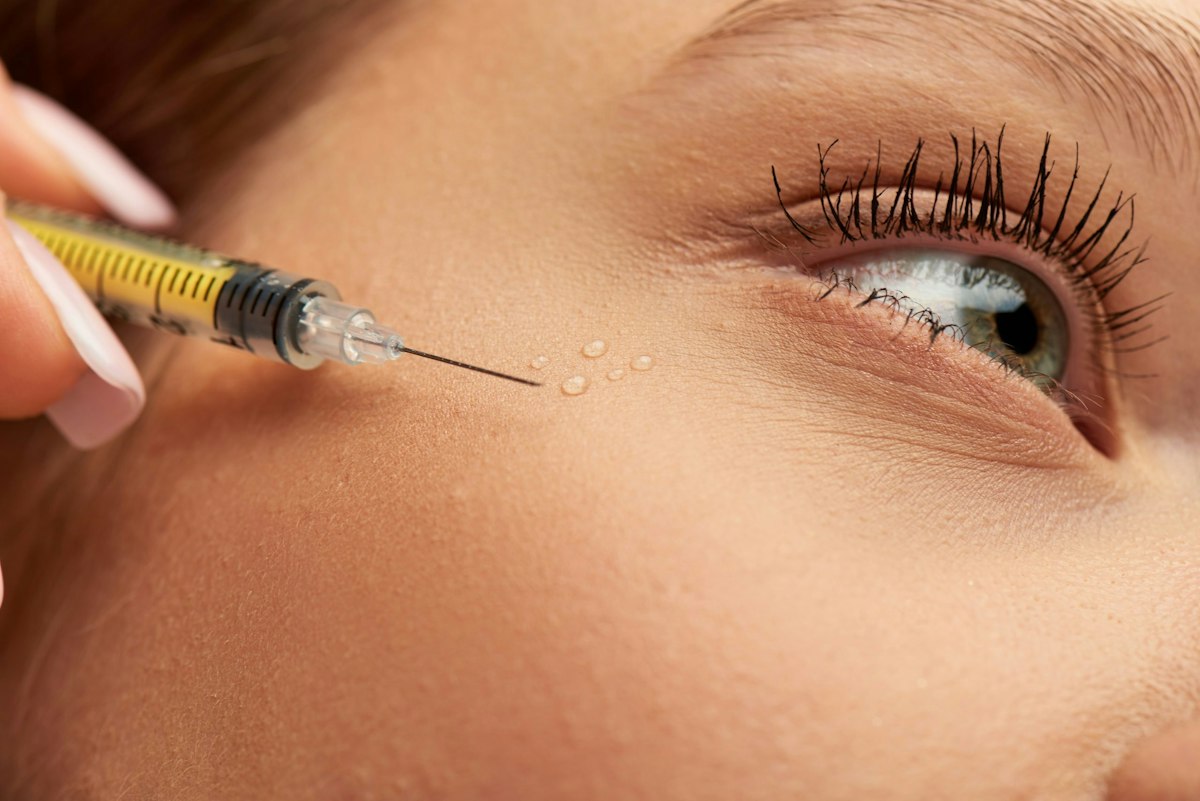
Botox injections can effectively treat persistent eye twitching and facial spasms caused by neurological conditions such as blepharospasm and hemifacial spasm. Botulinum toxin type A works by blocking nerve signals that trigger involuntary muscle contractions, helping relax the muscles around the eyes and face. Treatments typically last three to four months and can significantly reduce twitching, improve facial control, and restore comfort with physician directed care.
Introduction: When Facial Muscles Contract Involuntarily
Occasional eye twitching is common and usually harmless. Many people experience brief eyelid fluttering when they are tired, stressed, or have consumed too much caffeine. In most cases these episodes resolve on their own within a short period of time. However, persistent or severe facial twitching may indicate an underlying neurological condition affecting the muscles around the eyes or face.
Conditions such as blepharospasm and hemifacial spasm can cause repeated involuntary contractions of facial muscles. These spasms most often affect the muscles around the eyes but may extend to other areas of the face including the cheeks, jaw, or mouth. In more severe cases, individuals may have difficulty keeping their eyes open or controlling facial movement during daily activities.
Botox injections have become one of the most effective medical treatments for managing these neurological muscle disorders. Botulinum toxin type A works by relaxing overactive facial muscles and interrupting the abnormal nerve signals that trigger involuntary contractions.
At GENEVA Primary Care and Med Spa in Alpharetta, physician directed Botox therapy is used to help patients reduce facial muscle spasms and restore comfort and normal facial movement. Each treatment plan is customized to target the muscles responsible for twitching while maintaining natural facial function.
Schedule a Medical Botox Consultation in Alpharetta
What Causes Eye Twitching and Facial Spasms
Facial muscle spasms occur when the nerves controlling facial muscles send abnormal or excessive signals. Under normal circumstances, nerve signals regulate when muscles contract and relax in a highly coordinated pattern. This precise communication between the brain, nerves, and muscles allows the face to perform complex movements such as blinking, speaking, smiling, and chewing. When this signaling process becomes disrupted, muscles may begin contracting involuntarily or repeatedly without conscious control.
These involuntary contractions can vary in severity. Some individuals experience mild, intermittent twitching, while others develop persistent muscle spasms that interfere with normal facial movement. When the nerve signals remain overactive, the muscles may contract repeatedly throughout the day, leading to noticeable twitching or facial pulling.
Facial spasms may affect several areas of the face including:
- Eyelids
- Cheeks
- Jaw muscles
- Mouth muscles
The eyelid muscles are particularly sensitive to abnormal nerve signaling, which is why eye twitching is often the earliest symptom patients notice. In many cases, these movements start as brief episodes of eyelid fluttering but may become more frequent or more forceful if the underlying nerve irritation persists.
Occasional eye twitching is often linked to temporary lifestyle factors such as fatigue, emotional stress, excessive caffeine consumption, or prolonged screen exposure. These triggers can temporarily increase nerve excitability and cause short episodes of muscle twitching. Fortunately, these forms of twitching usually resolve once the underlying trigger is removed.
However, when twitching becomes persistent or progressively worse, it may indicate a neurological condition affecting the facial nerves or muscles. Several disorders are known to cause repeated involuntary facial contractions.
Common neurological causes include:
- Blepharospasm
- Hemifacial spasm
- Nerve irritation or compression
Blepharospasm is a movement disorder that primarily affects the muscles responsible for blinking and eyelid closure. Individuals with this condition may experience frequent blinking or involuntary eyelid closure that becomes difficult to control. In more severe cases, the spasms can make it challenging to keep the eyes open during normal daily activities.
Hemifacial spasm typically affects only one side of the face and is often caused by irritation or compression of the facial nerve. The condition usually begins with twitching around the eye before gradually spreading to other facial muscles such as the cheek or mouth. These spasms can become stronger over time and may occur repeatedly throughout the day.
Other cases may involve irritation of the facial nerve due to inflammation, structural pressure from nearby blood vessels, or underlying neurological conditions that affect nerve signaling. Because facial nerves control many small muscles responsible for expression and blinking, even minor nerve disruption can produce noticeable twitching.
Without treatment, abnormal nerve activity may continue stimulating the affected muscles, leading to increasingly frequent or intense spasms. For patients experiencing persistent symptoms, medical evaluation can help identify the underlying cause and determine whether treatments such as neuromodulator therapy may help restore more normal muscle control.
How Botox Treats Facial Muscle Spasms
Botox, also known as botulinum toxin type A, is a neuromodulator therapy that temporarily blocks nerve signals responsible for muscle contraction. When injected into specific muscles, Botox reduces the ability of those muscles to contract excessively.
The treatment works by inhibiting the release of the neurotransmitter acetylcholine. This chemical normally signals muscles to contract. By preventing the release of acetylcholine at the neuromuscular junction, Botox interrupts the abnormal nerve signals responsible for repeated twitching.
When used for facial muscle disorders, Botox injections can:
- Relax overactive facial muscles
- Reduce involuntary contractions
- Prevent repeated twitching episodes
- Improve overall facial muscle control
The treatment does not permanently damage nerves or muscles. Instead, Botox temporarily reduces muscle activity until nerve signaling gradually returns. Maintenance treatments are typically recommended to maintain symptom control.
Botox for Blepharospasm
Blepharospasm is a neurological condition characterized by uncontrollable blinking or eyelid spasms. The disorder affects the muscles surrounding the eyes and may cause repeated eyelid closure that becomes difficult to control.
Symptoms may include:
- Frequent blinking
- Involuntary eyelid closure
- Difficulty keeping the eyes open
- Sensitivity to light
These symptoms can interfere with everyday activities such as reading, driving, working on a computer, or maintaining normal visual focus. Some individuals experience progressive worsening of symptoms if the condition is left untreated.
Botox injections help relax the muscles surrounding the eyelids, reducing the frequency and intensity of spasms. Botox has been approved for the treatment of blepharospasm for many years and remains the primary therapy used to manage this condition.
Botox for Hemifacial Spasm
Hemifacial spasm is a condition that causes involuntary muscle contractions on one side of the face. The spasms often begin around the eye and may gradually spread to other facial muscles including the cheek, mouth, or jaw.
Common symptoms include:
- Twitching around the eye
- Facial pulling or jerking
- Spasms affecting the cheek or mouth
These contractions are typically caused by irritation or compression of the facial nerve. Botox injections help reduce the abnormal muscle activity by relaxing the affected muscles.
Many patients experience significant improvement in facial comfort and muscle control with regular Botox treatments.
What to Expect During Botox Treatment for Facial Spasms
Medical Botox therapy begins with a detailed evaluation to determine the cause of facial twitching and identify the muscles responsible for involuntary contractions. Treatment plans are customized based on each patient’s symptoms and facial anatomy.
Step 1 Medical Consultation
During the initial consultation, your provider reviews your symptoms, neurological history, and prior treatments. This helps confirm whether Botox therapy is an appropriate option for managing facial muscle spasms.
- Review of symptoms and duration of twitching
- Evaluation of neurological history
- Assessment of previous treatments
Step 2 Injection Mapping
The provider carefully identifies the specific facial muscles responsible for spasms. Injection placement is planned to ensure Botox is delivered precisely where abnormal contractions originate.
Step 3 Injection Procedure
Botox treatment for facial spasms typically takes ten to twenty minutes. Small doses of the neuromodulator are injected using ultra fine needles into the targeted muscles around the eyes and face.
Most patients experience minimal discomfort during the procedure.
Step 4 Recovery and Follow Up
Patients can usually return to normal daily activities immediately after treatment. Results typically begin appearing within three to seven days, with full improvement developing over the following two weeks.
How Long Botox Lasts for Eye Twitching and Facial Spasms
Botox provides temporary relief from facial muscle spasms. Most patients experience improvement for approximately three to four months following treatment.
Over time, nerve signaling gradually returns and muscle activity may resume. For this reason, periodic maintenance treatments are often recommended to maintain consistent symptom control.
Is Botox Safe for Facial Spasm Treatment
Botox has been used for decades in the treatment of neurological muscle disorders and has been extensively studied in clinical research. When administered by trained medical professionals following appropriate treatment protocols, Botox is considered a safe and effective therapy.
Possible mild side effects may include:
- Minor swelling at injection sites
- Temporary eyelid drooping
- Mild bruising
Serious complications are rare when Botox is administered by experienced providers who follow established patient safety standards.
Why Patients in Alpharetta Choose GENEVA for Medical Botox
Patients in Alpharetta and the surrounding North Atlanta area choose GENEVA Primary Care and Med Spa for physician directed Botox therapy designed to treat both cosmetic and medical conditions.
- Physician directed care
- Personalized treatment planning
- Modern injection techniques
- Experience with cosmetic and therapeutic Botox
- Convenient Alpharetta location
Schedule a Medical Botox Consultation
Frequently Asked Questions About Botox for Eye Twitching
Can Botox stop eye twitching?
Yes. Botox injections can effectively reduce persistent eye twitching caused by conditions such as blepharospasm or hemifacial spasm. By blocking nerve signals that trigger muscle contractions, Botox helps relax the muscles around the eyes and reduce involuntary blinking or twitching.
Is Botox approved for blepharospasm?
Yes. Botox is approved for the treatment of blepharospasm. The injections target the muscles responsible for eyelid spasms and help reduce the frequency and severity of involuntary blinking.
How long does Botox last for facial spasms?
The effects of Botox treatments for facial spasms typically last about three to four months. After this period, nerve activity gradually returns and muscle contractions may resume. Maintenance treatments help maintain consistent symptom relief.
Is Botox safe near the eyes?
Yes. Botox has been safely used around the eyes for decades to treat both cosmetic concerns and medical conditions such as blepharospasm. When administered by trained medical providers, Botox injections around the eye area are considered safe and effective.
Find Relief from Eye Twitching in Alpharetta
Persistent eye twitching or facial spasms can interfere with daily activities and overall quality of life. Botox injections offer a proven treatment option that helps relax overactive facial muscles and reduce involuntary contractions.
At GENEVA Primary Care and Med Spa in Alpharetta, our physician directed team provides personalized medical Botox treatments designed to improve comfort, restore facial control, and enhance confidence.
Book Your Medical Botox Consultation
GENEVA Primary Care and Med Spa
3275 North Point Parkway Suite 204
Alpharetta GA 30005
Phone (470) 704 9687