By Dr. Jerath|MAR 11TH 2026
Today, Botox is FDA approved for several medical conditions including chronic migraine, cervical dystonia, muscle spasticity, blepharospasm, hemifacial spasm, and severe sweating known as hyperhidrosis. These treatments rely on precise neuromodulator injections that reduce abnormal muscle contractions and regulate nerve signaling. According to the Mayo Clinic, botulinum toxin therapy has been widely used in medical care for neurological and muscular disorders for more than three decades.
In addition to FDA approved indications, physicians may also use Botox in carefully selected off label situations. These emerging uses can include rosacea flushing, TMJ related jaw tension, and certain motor tic disorders. When performed by experienced providers who understand anatomy and neuromuscular physiology, Botox can provide meaningful symptom relief for a wide range of conditions.
At GENEVA Primary Care and Med Spa in Alpharetta, our physician directed team provides both cosmetic and medical Botox treatments. Every patient undergoes a detailed medical evaluation to determine whether neuromodulator therapy is appropriate and how it can be tailored to their specific condition.
Book a Medical Botox Consultation in Alpharetta
What Is Botox (Botulinum Toxin Type A)?
Botox is the brand name for botulinum toxin type A, a purified protein derived from the bacterium Clostridium botulinum. Although the bacterium itself can produce a powerful toxin, medical Botox treatments use extremely small and carefully controlled doses that have been refined for safe therapeutic use. When injected into targeted muscles or glands, Botox works by temporarily blocking the release of a neurotransmitter called acetylcholine.
Acetylcholine plays a key role in communication between nerves and muscles. By preventing the release of this neurotransmitter, Botox interrupts the signal that tells muscles to contract or glands to activate. This process is known as neurotransmitter inhibition and allows Botox to reduce abnormal muscle activity, calm nerve driven pain pathways, and regulate overactive sweat glands.
Because of this mechanism, botulinum toxin therapy can treat several conditions related to excessive muscle contraction or nerve signaling abnormalities. These treatments rely on precise injection techniques that target specific muscles responsible for symptoms.
Medical Botox injections may help treat conditions such as:
- Muscle spasms caused by neurological disorders
- Chronic migraine headaches linked to nerve activation
- Movement disorders that create involuntary muscle contractions
- Excessive sweating caused by overactive sweat glands
Because Botox affects nerve communication rather than permanently damaging muscle tissue, the effects are temporary and gradually wear off over time. This allows physicians to adjust treatment plans and dosing schedules based on patient response and clinical goals.
FDA Approved Medical Uses of Botox
Botox has become an important therapeutic option in several medical specialties including neurology, dermatology, and pain management. Over the years, clinical studies have demonstrated its ability to reduce symptoms associated with abnormal muscle contractions and nerve signaling disorders. The United States Food and Drug Administration has approved Botox for multiple medical conditions when administered by trained medical providers.
Chronic Migraine Treatment
Chronic migraine is one of the most common medical reasons patients seek Botox therapy. Individuals with chronic migraine experience headaches on fifteen or more days per month, often accompanied by nausea, light sensitivity, and significant disruption to daily activities.
Botox injections can help prevent migraine attacks by blocking pain signals in the nerves involved in headache pathways. Treatment involves a series of injections around the forehead, temples, scalp, neck, and shoulders.
Typical benefits of migraine Botox therapy include:
- Fewer migraine days each month
- Reduced headache intensity
- Improved ability to work and perform daily activities
Migraine prevention treatments are typically repeated every twelve weeks to maintain symptom control.
Cervical Dystonia
Cervical dystonia is a neurological condition that causes involuntary contractions of the neck muscles. These contractions may force the head into abnormal positions and can cause significant discomfort or stiffness.
Botox therapy helps by relaxing overactive neck muscles responsible for the abnormal movement patterns. When these muscles are temporarily weakened, the head can return to a more natural position and patients often experience improved comfort.
Treatment may help:
- Reduce painful neck muscle contractions
- Improve head positioning
- Relieve chronic neck stiffness
Muscle Spasticity
Muscle spasticity occurs when certain muscles become excessively tight due to neurological conditions affecting the brain or spinal cord. Patients recovering from stroke, living with cerebral palsy, or managing multiple sclerosis may experience this type of muscle stiffness.
Botox injections can relax spastic muscles by blocking nerve signals that trigger excessive contraction. By reducing this abnormal activity, patients may experience greater flexibility and improved movement.
Therapeutic benefits often include:
- Relaxation of tight muscle groups
- Improved mobility and range of motion
- Reduced pain and muscle discomfort
Blepharospasm and Hemifacial Spasm
Blepharospasm and hemifacial spasm are movement disorders that cause involuntary twitching of the eyelids or facial muscles. In severe cases, repeated spasms can interfere with vision or cause persistent facial discomfort.
Botox injections can calm the overactive muscles responsible for these spasms. Small doses are injected into targeted muscles around the eyes or face.
Treatment may help:
- Reduce eyelid spasms
- Limit involuntary facial twitching
- Improve comfort and visual function
Hyperhidrosis (Excessive Sweating)
Hyperhidrosis is a medical condition characterized by excessive sweating that occurs even when the body does not need to regulate temperature. This condition can significantly affect confidence and daily comfort.
Botox helps treat hyperhidrosis by blocking nerve signals that stimulate sweat glands. When these signals are inhibited, the glands produce far less sweat.
Common treatment areas include:
- Underarms
- Palms of the hands
- Forehead
- Scalp
Patients often experience dramatic sweat reduction and improved quality of life following treatment.
Emerging Medical Uses of Botox
In addition to its approved indications, Botox may be used off label for certain conditions when physicians determine it may benefit the patient. Off label use is common in many areas of medicine and often reflects new research or clinical experience demonstrating therapeutic potential.
Some emerging uses of therapeutic Botox include:
- Rosacea flushing related to abnormal blood vessel signaling
- TMJ and jaw tension caused by overactive jaw muscles
- Chronic muscle pain associated with persistent muscle contraction
- Motor tic disorders affecting facial or neck muscles
These treatments require careful patient evaluation and precise dosing to ensure safety and effectiveness.
How Medical Botox Treatments Work
Although Botox injections are widely known, the treatment process for medical conditions involves several important steps. Each stage ensures the therapy is appropriate for the patient and that injections are placed accurately for the best clinical outcome.
Step 1 Medical Evaluation
Every medical Botox treatment begins with a detailed consultation. During this evaluation, the provider reviews the patient’s symptoms, medical history, and current diagnosis.
The consultation typically includes:
- Review of symptom history
- Evaluation of prior treatments
- Assessment of muscle activity and anatomy
This evaluation helps determine whether Botox therapy is an appropriate treatment option.
Step 2 Personalized Injection Plan
Once Botox therapy is determined to be appropriate, the provider creates a customized treatment plan. The number of injections and total dose vary depending on the medical condition and muscle groups involved.
Important factors that influence dosing include:
- Strength of the targeted muscles
- Severity of symptoms
- Patient anatomy
Step 3 Injection Procedure
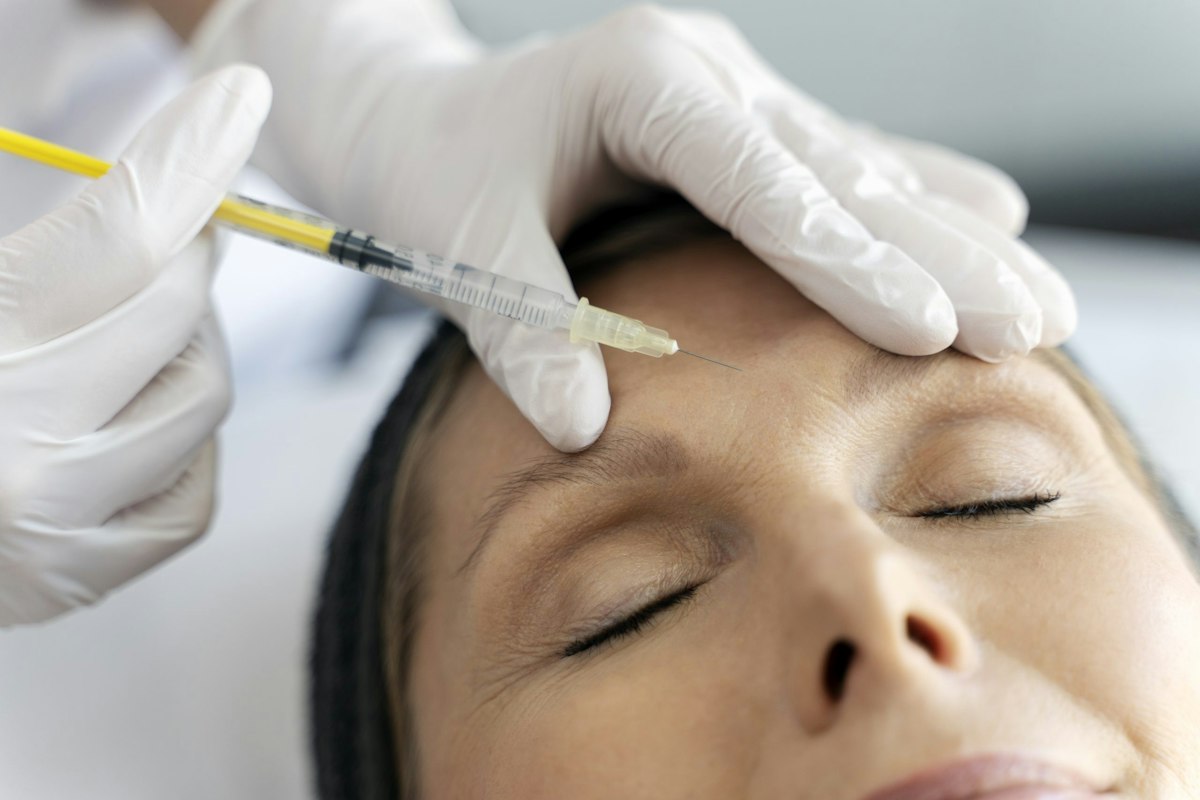
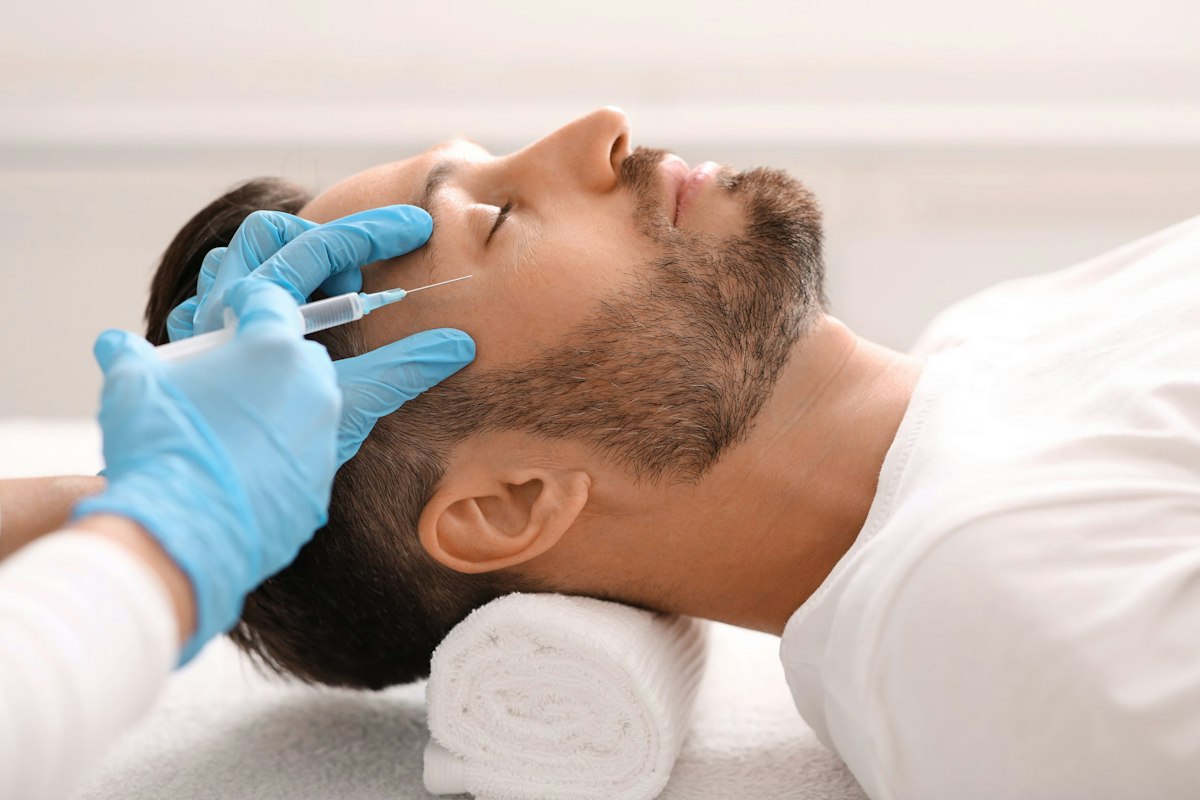
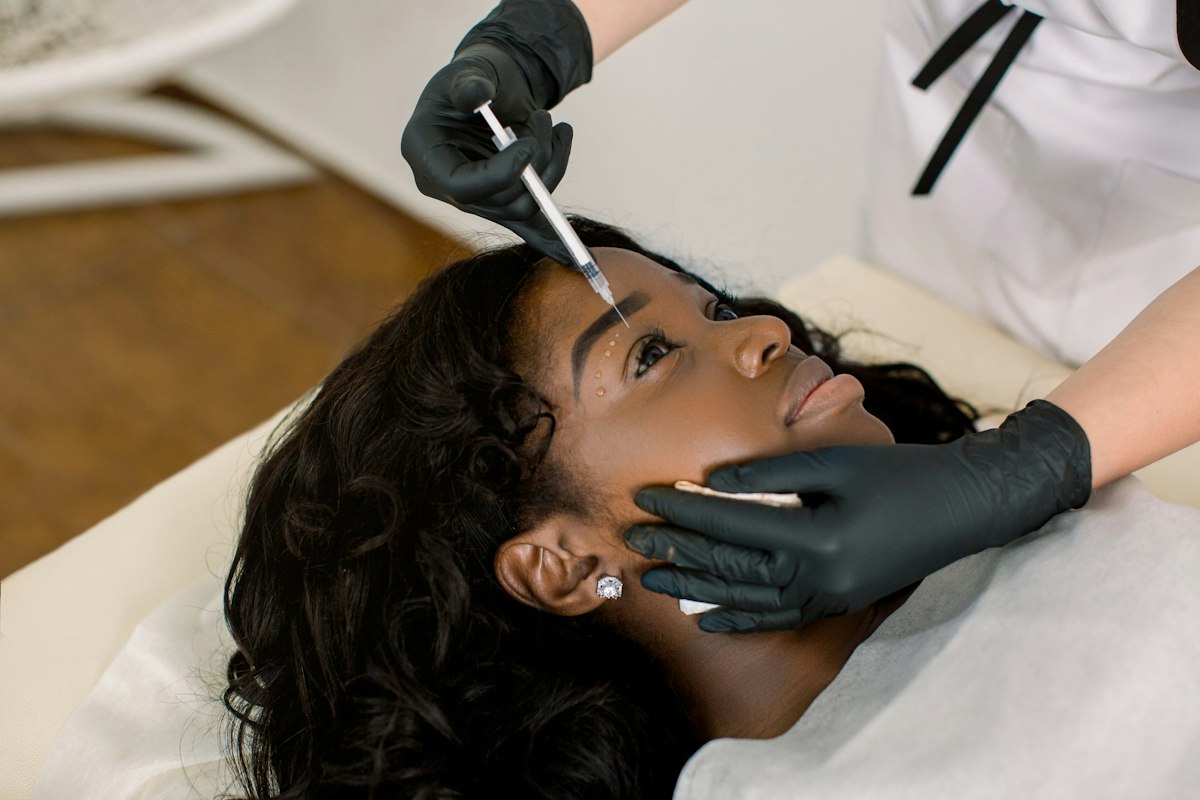
The Botox injection procedure itself is relatively quick and typically takes between fifteen and thirty minutes. Providers use ultra fine needles to deliver small doses of the neuromodulator into specific muscle points.
Most patients describe the injections as a mild pinching sensation and are able to return to normal activities shortly after treatment.
Step 4 Follow Up Treatment
Botox is not permanent because nerve communication gradually returns as the body regenerates neurotransmitter activity. For this reason, treatments are repeated periodically to maintain symptom relief.
Typical treatment intervals include:
- Migraine prevention every twelve weeks
- Muscle spasms every three to four months
- Hyperhidrosis treatments every four to six months
How Long Do Medical Botox Results Last?
The duration of Botox results varies depending on the condition being treated and the muscles involved. Some conditions require more frequent injections because nerve signaling returns faster in certain muscle groups.
| Condition |
Average Duration |
| Chronic migraine |
10 to 12 weeks |
| Cervical dystonia |
3 to 4 months |
| Muscle spasticity |
3 to 4 months |
| Hyperhidrosis |
4 to 6 months |
Consistent treatments often provide improved long term symptom control because the targeted muscles remain relaxed for longer periods.
Is Medical Botox Safe?
Botox has been used medically for more than thirty years and has been extensively studied in clinical trials. When administered by trained medical professionals, it is considered a safe and effective treatment for many conditions involving abnormal nerve signaling or muscle contraction.
Safety depends on several factors including:
- Proper diagnosis of the condition being treated
- Accurate dosing based on medical guidelines
- Precise injection technique
Most side effects are mild and temporary. Common reactions may include minor soreness at the injection site, slight bruising, or temporary muscle weakness in nearby areas.
Serious side effects are rare when Botox is administered by experienced medical providers who follow established patient safety protocols.
Why Patients in Alpharetta Choose GENEVA for Medical Botox
Patients throughout Alpharetta, Johns Creek, and North Atlanta choose GENEVA Primary Care and Med Spa for physician directed Botox therapy. Our clinic focuses on combining medical expertise with personalized treatment planning to ensure safe and effective care.
- Physician directed treatment plans
- Personalized neuromodulator dosing strategies
- Experience treating both cosmetic and medical Botox cases
- Modern injection techniques
- Convenient Alpharetta location
Schedule Your Medical Botox Consultation
Frequently Asked Questions
Can Botox really treat medical conditions?
Yes. Botox has been approved for several medical conditions including chronic migraine, cervical dystonia, muscle spasticity, blepharospasm, and severe sweating. By blocking specific nerve signals, Botox relaxes overactive muscles and glands that cause symptoms.
How does Botox help with migraines?
Botox helps prevent migraines by blocking pain signals in the nerves that trigger headache attacks. Small injections are placed around the head and neck to reduce muscle tension and nerve activation associated with chronic migraines.
Is Botox safe for treating medical conditions?
Botox has been used medically for more than three decades and is considered safe when administered by a trained provider. Most side effects are mild and temporary.
How long does medical Botox last?
The effects of Botox typically last between three and six months depending on the condition treated. Migraine prevention injections are often repeated every twelve weeks, while hyperhidrosis treatments may last up to six months.
Find Relief with Medical Botox in Alpharetta
For patients living with chronic migraines, muscle spasms, excessive sweating, or neurological movement disorders, medical Botox therapy can provide meaningful relief. By targeting the nerve signals responsible for these symptoms, Botox treatments help reduce discomfort and improve daily functioning.
At GENEVA Primary Care and Med Spa in Alpharetta, our physician directed team provides personalized therapeutic Botox injections designed to improve symptoms while maintaining the highest standards of patient safety.
Book Your Medical Botox Consultation
GENEVA Primary Care and Med Spa
3275 North Point Parkway Suite 204
Alpharetta GA 30005
Phone (470) 704 9687