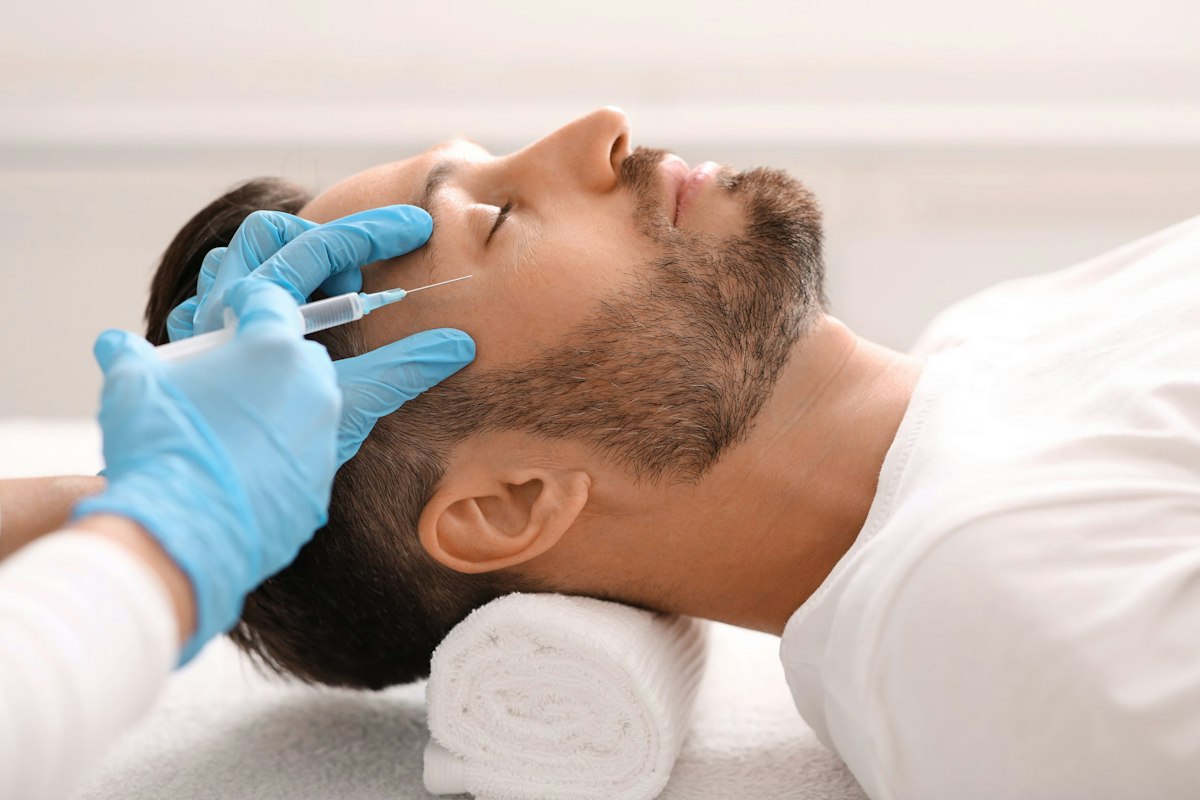
Botox injections can help treat muscle spasms and neurological movement disorders by relaxing overactive muscles. Botulinum toxin type A works by blocking nerve signals that trigger involuntary muscle contractions, helping reduce pain, stiffness, and abnormal movements. It is commonly used for conditions such as cervical dystonia, muscle spasticity, and certain motor tic disorders, with results typically lasting about three to four months before maintenance treatment may be needed.
Introduction: When Muscles Contract Without Control
Muscle movement is normally controlled by precise nerve signals sent from the brain through the spinal cord to the muscles. These signals allow the body to coordinate posture, balance, and voluntary movement. However, in certain neurological conditions this communication becomes disrupted. When nerve signals misfire or become overactive, muscles may contract involuntarily, creating painful spasms, stiffness, or abnormal movement patterns.
Conditions such as cervical dystonia, muscle spasticity, and motor tic disorders are examples of neuromuscular conditions that can significantly affect daily life. These disorders can interfere with basic activities including walking, turning the head, using the hands, or maintaining normal posture. Patients often experience chronic pain, muscle fatigue, and limited mobility as a result of repeated muscle contractions.
For many individuals living with neurological muscle disorders, Botox injections provide an effective treatment option. Botulinum toxin type A works by relaxing overactive muscles and reducing involuntary contractions that cause pain and movement limitations.
At GENEVA Primary Care and Med Spa in Alpharetta, physician directed Botox treatments are used to help patients manage neuromuscular conditions safely and effectively. By targeting the specific muscles responsible for abnormal contractions, therapeutic Botox can improve comfort, mobility, and quality of life.
Schedule a Medical Botox Consultation in Alpharetta
What Causes Muscle Spasms and Neurological Movement Disorders
Muscle spasms occur when nerve signals repeatedly trigger muscles to contract without voluntary control. Under normal circumstances, the nervous system carefully regulates when muscles contract and relax. When neurological pathways become disrupted, these signals can become excessive or irregular.
This abnormal nerve signaling can result in a variety of symptoms including:
- Involuntary muscle contractions
- Muscle stiffness or rigidity
- Repetitive movements
- Abnormal posture or body positioning
Neurological conditions that may cause these symptoms include cervical dystonia, stroke related spasticity, multiple sclerosis, cerebral palsy, and certain motor tic disorders. In many cases, these conditions originate from damage or dysfunction within the central nervous system.
Because the brain and spinal cord control muscle activity, disruptions in these systems can cause muscles to contract excessively or remain in a tightened state for prolonged periods of time.
How Botox Helps Relax Overactive Muscles
Botox, also known as botulinum toxin type A, is a purified protein used in neuromodulator therapy to reduce abnormal muscle activity. When injected into targeted muscles, Botox temporarily blocks the nerve signals responsible for triggering muscle contractions.
Specifically, Botox inhibits the release of a neurotransmitter called acetylcholine. This chemical normally signals muscles to contract. By preventing the release of acetylcholine at the neuromuscular junction, Botox reduces the muscle’s ability to contract excessively.
When used for neuromuscular disorders, Botox injections can help:
- Reduce excessive muscle activity
- Relax tight or stiff muscles
- Relieve pain associated with spasms
- Improve mobility and physical function
The treatment does not permanently damage muscles or nerves. Instead, Botox temporarily decreases nerve signaling so that muscles can relax and function more normally. Over time, nerve signaling gradually returns and additional treatments may be recommended to maintain symptom control.
Botox for Cervical Dystonia (Painful Neck Muscle Spasms)
Cervical dystonia is a neurological disorder that causes involuntary contractions in the neck muscles. These contractions may force the head to twist, tilt, or rotate in abnormal positions. The condition can also cause persistent neck pain, stiffness, and limited range of motion.
Common symptoms of cervical dystonia include:
- Twisting or turning of the head
- Abnormal neck posture
- Severe neck pain
- Restricted head movement
Botox injections help relax the affected muscles responsible for these abnormal contractions. By reducing excessive nerve signaling, Botox can restore a more natural balance of muscle activity in the neck.
Many patients experience improvements such as:
- Improved head positioning
- Reduced neck pain
- Greater range of motion
Botox has been approved by the Food and Drug Administration for the treatment of cervical dystonia and is widely used by neurologists and medical providers to manage this condition.
Botox for Muscle Spasticity
Muscle spasticity is characterized by stiffness or tightness caused by damage to the central nervous system. When signals from the brain are disrupted, muscles may remain in a contracted state, making movement difficult or painful.
Common causes of muscle spasticity include:
- Stroke
- Multiple sclerosis
- Spinal cord injury
- Cerebral palsy
Spasticity can affect different parts of the body and may interfere with walking, bending joints, or performing tasks that require fine motor control.
Botox injections help treat spasticity by relaxing specific muscles responsible for stiffness. By reducing abnormal muscle activity, patients may experience improved movement and decreased discomfort.
Benefits may include:
- Improved muscle flexibility
- Reduced stiffness and pain
- Better mobility and coordination
Botox for Motor Tics and Involuntary Movements
Motor tics are sudden, repetitive movements that occur involuntarily. These movements may involve the face, neck, shoulders, or other muscle groups. In some cases, tic disorders can become severe enough to interfere with daily functioning.
Botox may be used to help reduce the severity of certain motor tics by weakening the muscles responsible for the repetitive movement patterns. By decreasing the strength of these contractions, Botox can help limit involuntary movements.
This treatment may be considered for patients who have not experienced sufficient improvement with medications or behavioral therapies.
What to Expect During a Medical Botox Appointment
Medical Botox treatments begin with a comprehensive evaluation to determine the cause of muscle symptoms and whether neuromodulator therapy is appropriate. Each treatment plan is customized based on the specific muscles involved and the severity of symptoms.
Step 1 Medical Assessment
During the initial consultation, your provider reviews your medical history, neurological symptoms, and prior treatments. This evaluation helps determine whether Botox therapy may benefit your condition.
- Review of medical history
- Evaluation of neurological symptoms
- Assessment of prior treatments
Step 2 Muscle Mapping and Injection Planning
Once Botox therapy is recommended, the provider identifies the muscles responsible for abnormal contractions. Careful muscle mapping ensures injections are placed precisely in the areas contributing to spasms or stiffness.
Step 3 Injection Procedure
Botox injections are typically completed within fifteen to thirty minutes. Small amounts of botulinum toxin are injected into targeted muscles using ultra fine needles.
Most patients tolerate the injections well and describe minimal discomfort during the procedure.
Step 4 Recovery and Follow Up
Patients can usually resume normal activities shortly after treatment. Mild soreness at injection sites may occur but typically resolves quickly. Results gradually appear within one to two weeks as muscle activity decreases.
How Long Do Botox Results Last for Muscle Disorders
The effects of Botox are temporary because nerve signaling gradually returns as the body regenerates neurotransmitter activity. Most patients experience symptom relief for approximately three to four months following treatment.
As nerve signals recover, muscle contractions may gradually return. Regular maintenance treatments can help maintain consistent symptom control and improve long term function.
Is Botox Safe for Treating Muscle Disorders
Botox has been used for medical treatment of neuromuscular disorders for decades and has been extensively studied in clinical research. When administered by trained medical providers following established treatment protocols, Botox is considered a safe and effective therapy.
Common mild side effects may include:
- Soreness at injection sites
- Temporary muscle weakness
- Mild bruising
Serious complications are rare when Botox is administered by experienced medical professionals who follow appropriate patient safety standards.
Why Patients in Alpharetta Choose GENEVA for Medical Botox
Patients in Alpharetta and throughout North Atlanta trust GENEVA Primary Care and Med Spa for physician directed Botox treatments designed to manage both cosmetic and medical conditions.
- Physician directed care
- Personalized treatment planning
- Modern injection techniques
- Experience treating cosmetic and medical Botox cases
- Convenient Alpharetta location
Schedule a Medical Botox Consultation
Frequently Asked Questions About Botox for Muscle Spasms
Can Botox treat muscle spasms?
Yes. Botox is widely used to treat muscle spasms caused by neurological conditions such as cervical dystonia and spasticity. By blocking nerve signals that trigger muscle contractions, Botox helps relax overactive muscles and reduce painful spasms.
How long does Botox last for muscle spasms?
The effects of Botox treatments typically last between three and four months. After that time, nerve signals gradually return and muscle activity resumes. Regular maintenance treatments can help maintain consistent symptom relief.
Is Botox approved for cervical dystonia?
Yes. Botox is approved for the treatment of cervical dystonia. Clinical studies show that Botox injections can significantly reduce neck muscle contractions, abnormal head positioning, and associated pain.
Can Botox help with spasticity after stroke?
Yes. Botox is commonly used to treat spasticity caused by stroke, cerebral palsy, multiple sclerosis, and other neurological conditions. By relaxing tight muscles, Botox can improve mobility and reduce discomfort associated with muscle stiffness.
Find Relief from Muscle Spasms in Alpharetta
Neurological muscle disorders such as cervical dystonia and spasticity can significantly affect daily life by causing pain, stiffness, and limited mobility. Botox injections provide an effective treatment option that helps relax overactive muscles and improve physical function.
At GENEVA Primary Care and Med Spa in Alpharetta, our physician directed team provides personalized medical Botox treatments designed to reduce symptoms and improve overall quality of life.
Book Your Medical Botox Consultation
GENEVA Primary Care and Med Spa
3275 North Point Parkway Suite 204
Alpharetta GA 30005
Phone (470) 704 9687