Botox injections can help treat excessive sweating and certain rosacea flushing symptoms by blocking nerve signals that activate sweat glands and blood vessels in the skin. Botulinum toxin type A reduces overactive nerve activity, helping decrease sweat production and calm inflammatory flushing. Results typically last four to six months for hyperhidrosis, and treatment plans are customized based on the affected areas and individual symptoms.
Introduction: When Sweat and Skin Flushing Become Medical Concerns
Sweating and facial redness are normal physiological responses that help the body regulate temperature and respond to environmental triggers. However, for some individuals these responses become excessive or uncontrollable. When sweating or facial flushing occurs frequently without a clear cause, it may indicate an underlying medical condition rather than a normal bodily reaction.
Conditions such as primary hyperhidrosis and rosacea related flushing can cause persistent symptoms that affect comfort, confidence, and daily activities. Hyperhidrosis causes excessive sweating even when the body does not need to cool itself, while rosacea may produce chronic facial redness, skin sensitivity, and repeated flushing episodes.
Botox injections have become a highly effective medical treatment for excessive sweating and may also help reduce certain rosacea symptoms associated with overactive nerve signaling. By targeting the nerve signals responsible for activating sweat glands and blood vessel dilation, Botox therapy can help restore a more balanced response in the skin.
At GENEVA Primary Care and Med Spa in Alpharetta, physician directed Botox therapy is used to help patients manage sweating disorders and skin related symptoms safely and effectively through personalized treatment planning.
Schedule a Medical Botox Consultation in Alpharetta
What Causes Excessive Sweating and Rosacea Flushing
Although excessive sweating and rosacea involve different biological mechanisms, they share an important underlying factor: overactive nerve signaling. In both conditions, the nerves that regulate glands or blood vessels become overly stimulated. This heightened nerve activity triggers exaggerated physical responses in the skin, leading to symptoms such as persistent sweating or repeated facial flushing. These responses occur even when the body does not require them for normal temperature regulation or stress adaptation.
The nervous system plays a central role in controlling both sweat gland activity and blood vessel dilation in the skin. When nerve signals become dysregulated, glands and blood vessels may respond too strongly or too frequently. As a result, patients may experience symptoms that feel unpredictable, difficult to control, and disruptive to daily life.
Hyperhidrosis
Primary hyperhidrosis occurs when the nerves responsible for activating sweat glands become excessively active. These nerves belong to the sympathetic nervous system, which normally regulates body temperature by signaling sweat glands when cooling is necessary. In individuals with hyperhidrosis, however, these nerve signals are triggered far more frequently than needed.
As a result, sweat glands may produce large amounts of perspiration even when the body is at a comfortable temperature or at rest. This abnormal stimulation leads to excessive sweating in areas such as:
- Underarms
- Palms of the hands
- Soles of the feet
- Forehead
Patients with hyperhidrosis often experience sweating that occurs regardless of temperature, physical activity, or emotional stress. In some cases the sweating can be severe enough to soak through clothing, interfere with gripping objects, or create persistent skin moisture.
The condition frequently begins during adolescence and may continue throughout adulthood if left untreated. Although hyperhidrosis is not dangerous, it can significantly impact quality of life by affecting comfort, social interactions, and professional activities.
Rosacea
Rosacea is a chronic inflammatory skin condition that primarily affects the central areas of the face, including the cheeks, nose, forehead, and chin. The disorder is characterized by persistent redness and episodes of flushing that may become more pronounced over time.
Common symptoms of rosacea include:
- Facial redness
- Frequent flushing
- Visible blood vessels
- Skin sensitivity
Rosacea is believed to involve a combination of immune system activity, inflammation, and abnormal regulation of blood vessels in the skin. In some individuals, the nerves that control blood vessel dilation become overly reactive. When these nerves are stimulated by triggers such as heat, spicy foods, stress, or alcohol, they can cause blood vessels in the face to expand rapidly.
This expansion increases blood flow near the skin surface, producing the flushing and redness commonly associated with rosacea. Over time, repeated dilation of these vessels may contribute to persistent redness and visible capillaries.
Although rosacea cannot be permanently cured, many treatments are available to help manage symptoms and reduce the frequency of flushing episodes. Medical therapies that calm nerve signaling and vascular responses in the skin may provide meaningful improvement for some patients.
How Botox Helps Reduce Sweating and Flushing
Botox, also known as botulinum toxin type A, is a neuromodulator therapy that temporarily blocks specific nerve signals responsible for activating muscles and glands. When injected into targeted areas of the skin, Botox reduces the communication between nerves and the structures they stimulate.
In the treatment of hyperhidrosis and rosacea related flushing, Botox works by calming the nerve signals responsible for triggering sweat production and vascular responses in the skin.
Botox injections can help:
- Block signals that trigger sweat gland activity
- Calm overactive nerve responses in the skin
- Reduce inflammatory flushing episodes
- Improve overall skin comfort and dryness
Because Botox targets the nerve signals themselves, it addresses the underlying mechanism responsible for excessive sweating rather than simply masking the symptoms.
Botox for Hyperhidrosis (Excessive Sweating)
Botox is approved by the Food and Drug Administration for the treatment of severe primary axillary hyperhidrosis, which refers to excessive underarm sweating that cannot be controlled with topical treatments such as antiperspirants.
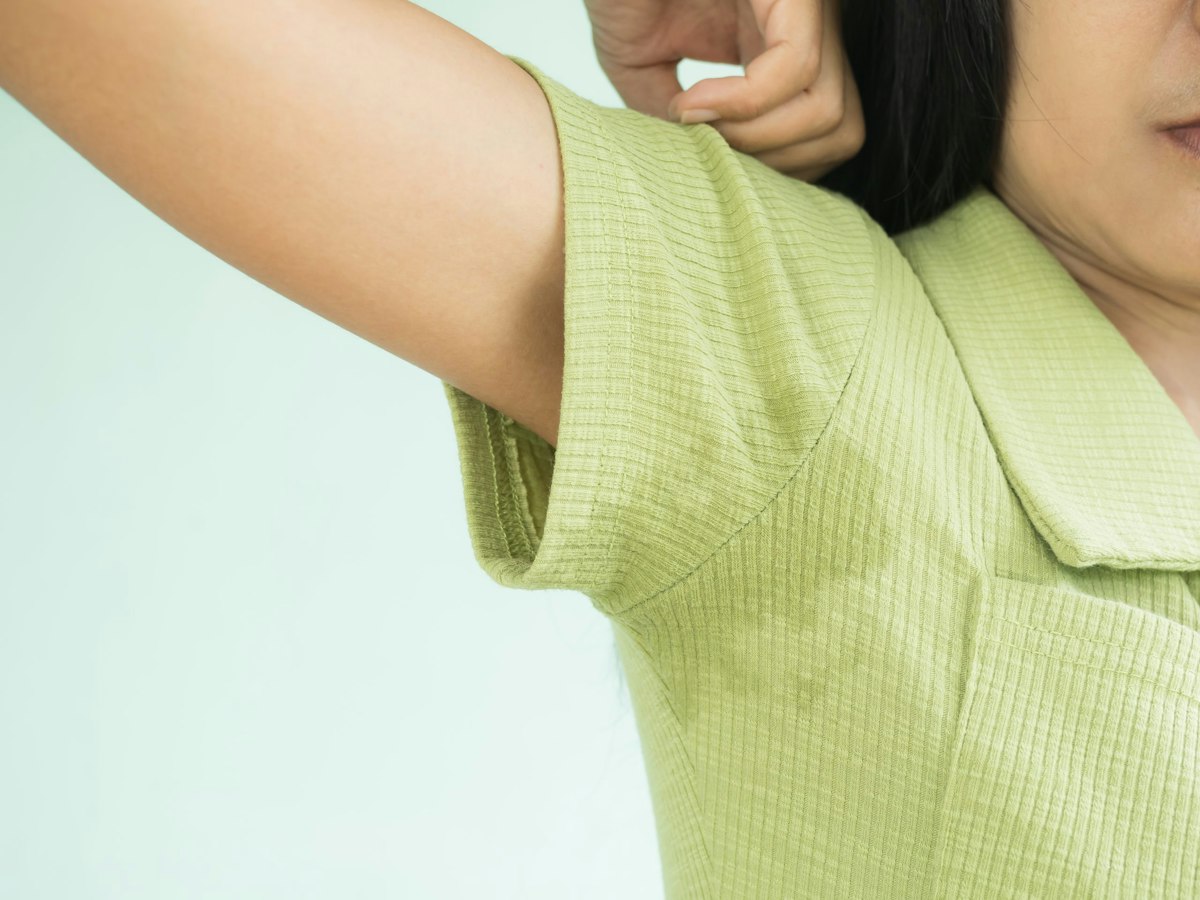
Patients with hyperhidrosis often experience sweating that occurs regardless of physical exertion or temperature. This can create noticeable sweat stains, clothing discomfort, and social embarrassment.
Common symptoms include:
- Visible sweat stains on clothing
- Difficulty controlling sweating
- Persistent moisture in the affected area
- Discomfort during social or professional interactions
Botox injections work by blocking the nerve signals that activate sweat glands in the treated region. When these signals are interrupted, the glands produce significantly less sweat.
Many patients experience substantial improvement in dryness and comfort following treatment.
Areas Where Botox Can Treat Excessive Sweating
Hyperhidrosis Botox treatments can be used to address excessive sweating in several areas of the body. Injection placement is customized based on the regions where sweating occurs most frequently.
Underarms
The underarms are the most commonly treated area and represent the region for which Botox is officially approved for hyperhidrosis treatment. Injections placed just beneath the skin reduce sweat gland activity and significantly decrease moisture production.
Palms
Botox injections may also be used to reduce excessive sweating in the palms of the hands. Patients who experience palmar hyperhidrosis often find it difficult to grip objects or shake hands comfortably.
Feet
Plantar hyperhidrosis affects the soles of the feet and may lead to discomfort, odor, or difficulty wearing certain footwear. Botox injections can reduce sweat gland activity in this region.
Forehead and Scalp
Some individuals experience excessive sweating in the facial or scalp regions. Targeted Botox injections can help reduce this symptom and improve overall comfort.
Botox for Rosacea Flushing
Rosacea is typically managed using dermatologic therapies designed to reduce inflammation and control skin sensitivity. However, Botox has emerged as a promising adjunct treatment for certain rosacea related symptoms.
In some patients, small doses of Botox injected into the skin can help:
- Reduce facial flushing episodes
- Calm overactive blood vessel responses
- Decrease inflammatory redness
This effect occurs because Botox can reduce the nerve signals that influence blood vessel dilation within the skin. When these signals are less active, the blood vessels are less likely to expand excessively during flushing triggers.
Although Botox treatment for rosacea flushing is considered an off label therapy, emerging research suggests it may help improve symptoms in selected patients.
What to Expect During Botox Treatment for Hyperhidrosis or Rosacea
Medical Botox therapy begins with a comprehensive evaluation to determine whether the treatment is appropriate for the patient’s symptoms. Each treatment plan is personalized based on the affected areas and severity of symptoms.
Step 1 Medical Evaluation
During the consultation, your provider reviews your sweating patterns or rosacea symptoms, medical history, and previous treatments. This helps determine whether Botox therapy may be beneficial.
- Review of sweating patterns or flushing episodes
- Evaluation of medical history
- Discussion of prior treatments
Step 2 Injection Mapping
The provider identifies the areas where nerve signals are triggering excessive sweat production or skin flushing. Injection points are carefully mapped across the treatment region.
Step 3 Injection Procedure
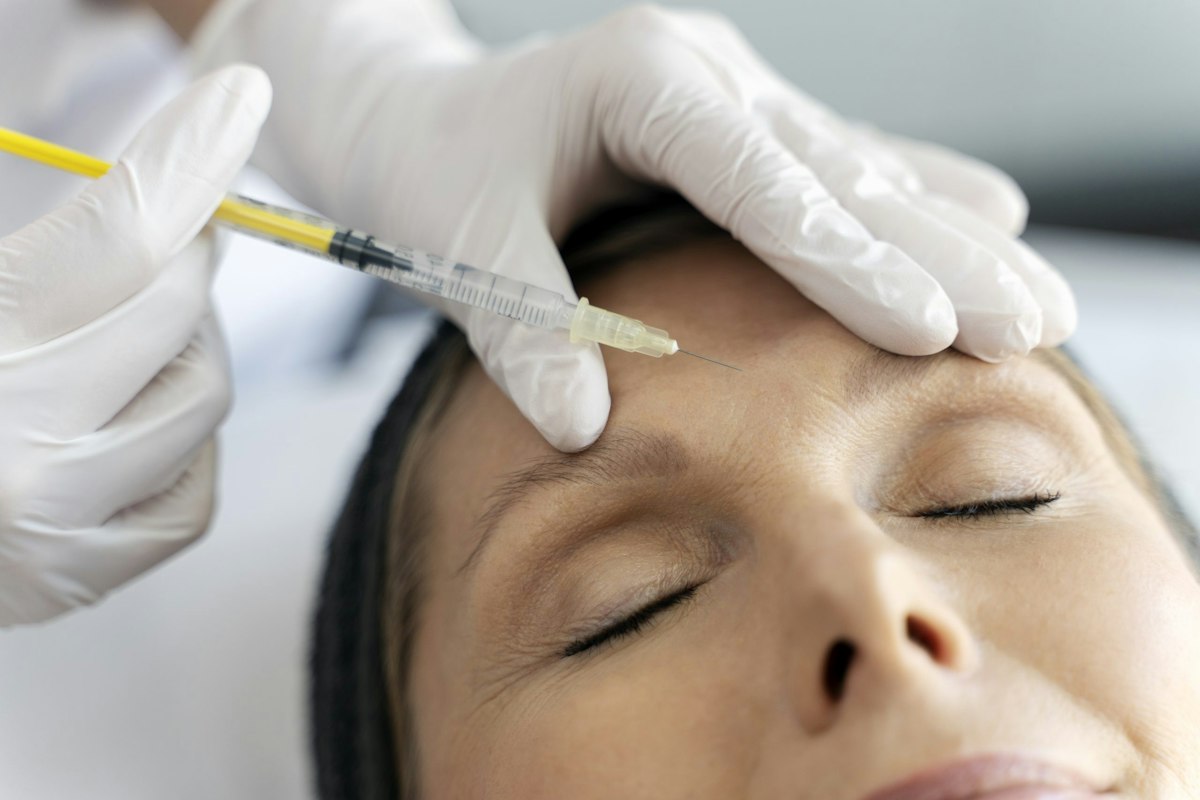
The procedure typically takes twenty to thirty minutes to complete. Small doses of Botox are injected just beneath the skin using ultra fine needles.
Most patients report minimal discomfort during the procedure.
Step 4 Recovery
Patients can usually return to normal activities immediately following treatment. Results gradually appear over the next one to two weeks as nerve signaling to sweat glands or blood vessels decreases.
How Long Botox Lasts for Hyperhidrosis and Rosacea
Botox treatments provide temporary relief from symptoms because nerve signaling gradually returns as the body regenerates neurotransmitter activity.
For hyperhidrosis:
- Results often last four to six months
- Some patients experience relief for longer periods
For rosacea flushing:
- Duration may vary depending on symptom severity
- Some patients benefit from periodic maintenance treatments
Regular follow up treatments can help maintain consistent symptom control.
Is Botox Safe for Treating Excessive Sweating
Botox has been used safely for decades in the treatment of both cosmetic and medical conditions. When administered by trained medical providers following established protocols, Botox treatments for hyperhidrosis are considered safe and effective.
Possible mild side effects include:
- Temporary soreness at injection sites
- Minor bruising
- Mild swelling
Serious complications are rare when Botox is administered by experienced providers who follow proper patient safety standards.
Why Patients in Alpharetta Choose GENEVA for Medical Botox
Patients in Alpharetta and the surrounding North Atlanta region choose GENEVA Primary Care and Med Spa for physician directed Botox therapy designed to treat both cosmetic and medical concerns.
- Physician directed care
- Customized treatment plans
- Experience with cosmetic and therapeutic Botox
- Modern injection techniques
- Convenient Alpharetta location
Schedule Your Medical Botox Consultation
Frequently Asked Questions About Botox for Hyperhidrosis
Does Botox stop excessive sweating?
Yes. Botox injections can significantly reduce excessive sweating by blocking nerve signals that activate sweat glands. When injected into areas such as the underarms, Botox prevents the glands from producing excessive sweat.
How long does Botox last for hyperhidrosis?
Botox treatments for hyperhidrosis typically last between four and six months. Some patients experience even longer relief depending on their individual response to treatment.
Is Botox approved for excessive sweating?
Yes. Botox is approved for the treatment of severe primary axillary hyperhidrosis, which refers to excessive underarm sweating that cannot be controlled with topical treatments.
Can Botox help rosacea flushing?
In some cases, Botox injections may help reduce rosacea related flushing by calming nerve signals that influence blood vessel dilation. While this use is considered off label, emerging research suggests it may help improve certain rosacea symptoms.
Control Excessive Sweating in Alpharetta
Excessive sweating and persistent skin flushing can interfere with daily comfort and confidence. Botox injections provide an effective treatment option that targets the nerve signals responsible for these symptoms.
At GENEVA Primary Care and Med Spa in Alpharetta, our physician directed team provides personalized medical Botox treatments designed to reduce sweating and improve skin comfort.
GENEVA Primary Care and Med Spa
3275 North Point Parkway Suite 204
Alpharetta GA 30005
Phone (470) 704 9687