How the skin quiz works
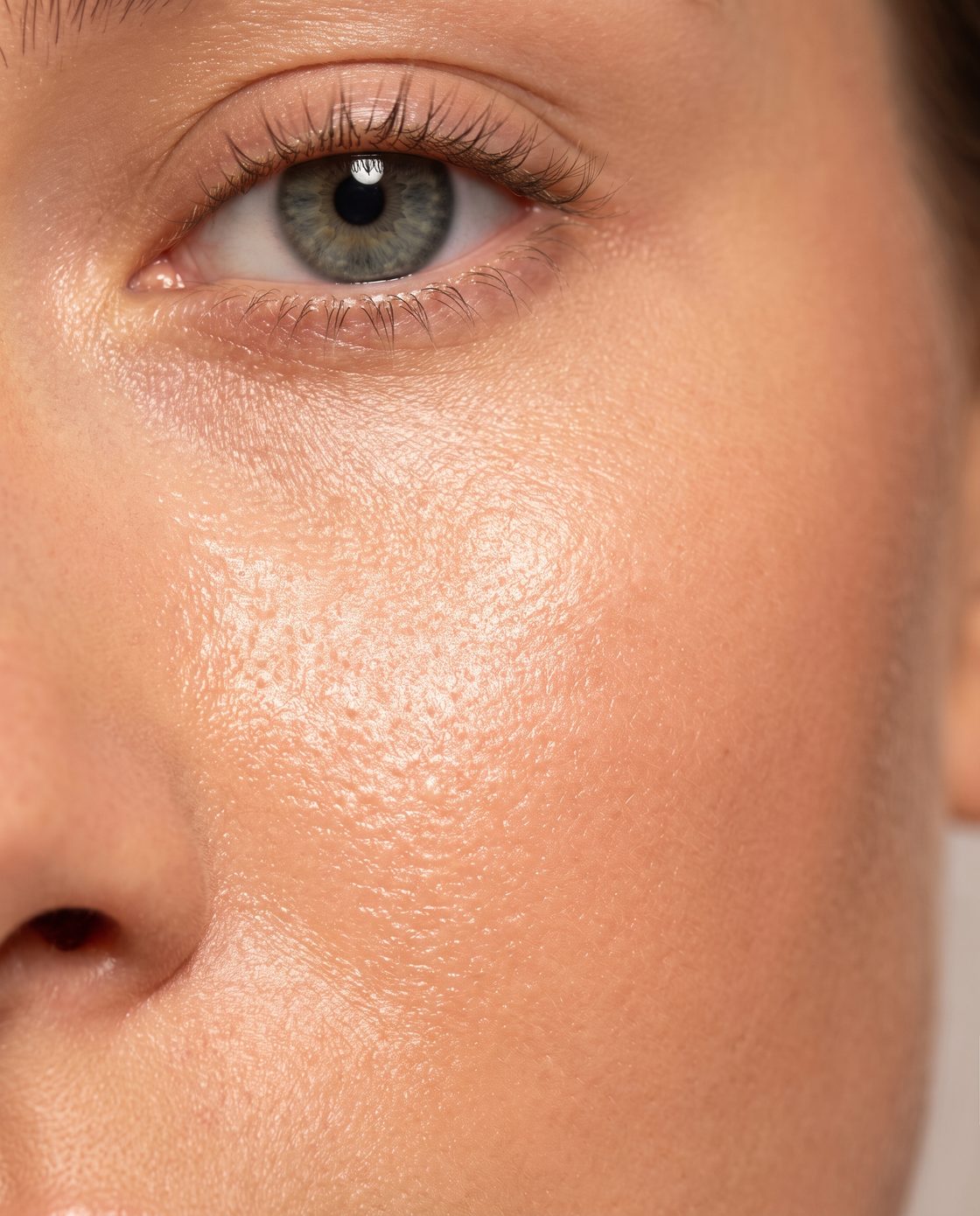
1. Scan (optional). Your phone camera finds 478 points on your face, then measures six readings zone by zone: redness, dark spots, texture and pores, shine, under-eye darkness and fine lines. It also suggests your Fitzpatrick skin type from the color of your cheeks. It all runs in your browser. The photo is never uploaded.
2. A few questions. Your goals, where you see them, your age, skin type, sun reaction, how much downtime you can take, whether you have an event coming, your routine and anything that affects safety. Follow-up questions appear only when they matter, such as whether lines show at rest or what your dark spots look like.
3. Your plan. Three treatments ranked for you (start here, pair with, keep it going), each with the reasons, price, downtime, sessions and results timing, plus a week-by-week timeline, a morning and night routine and a list of what we left out and why.
This is a first look, not a diagnosis. Lighting, makeup and phone camera smoothing change what a photo shows. A GENEVA provider confirms everything at a free skin analysis before anything is booked.
Why your skin type decides which treatments are safe
The Fitzpatrick scale sorts skin into six types by how it reacts to the sun, from type I (always burns, never tans) to type VI (never burns, deeply pigmented). It matters because heat-based treatments like CO2 and other resurfacing lasers can trigger post-inflammatory hyperpigmentation, dark marks that can last months, in deeper skin tones.
So the quiz lowers heat-based lasers for types IV to VI and leaves out the strongest ones for types V and VI, and it favors microneedling, which uses no heat or light and suits a wide range of skin tones. Every skin tone gets a real plan; some quizzes stop at type V.
| Type | In the sun | What it means for treatment |
|---|---|---|
| I–II | Burns easily, tans little | Most lasers and peels are options; sun protection is key after |
| III | Sometimes burns, tans evenly | Most treatments, with settings chosen carefully |
| IV | Rarely burns, tans easily | Heat lasers need careful evaluation; microneedling and tailored peels shine |
| V–VI | Very rarely or never burns | Heat-free options first: microneedling, tailored peels, medical facials, skin tightening |
Which skin treatment is best for your concern?
- Fine lines and wrinkles. Lines that show only when you move respond to Botox, Dysport or Xeomin (from $9 a unit). Lines that stay at rest also need collagen work, like microneedling or laser resurfacing.
- Dark spots and uneven tone. Sun spots often clear in 1 to 3 sessions. Melasma is managed rather than cured, and heat can make it darker, so it gets a gentle, heat-free pigmentation plan and daily tinted sunscreen.
- Acne scars. Shallow, rolling scars soften with microneedling or PRF microneedling. Deep or pitted scars usually need CO2 resurfacing too. See acne scar treatment.
- Breakouts and congestion. A medical facial or chemical peel comes first. Needling or lasering over active acne can spread it.
- Texture and pores. Microneedling and CoolPeel refine texture with little downtime.
- Loose or crepey skin. Laser skin tightening firms the jawline, neck and chest with no downtime, building over 6 to 12 weeks.
- Volume loss, lips and under-eyes. Dermal fillers, lip filler or a lip flip, and under eye PRP for thin, dark under-eye skin.
Timing treatments before a wedding or event
Tell the quiz when your event is and it only suggests what will look its best by then. As a rule of thumb: neurotoxin needs about 2 weeks to settle, fillers about 2 weeks for swelling to go down, a light peel about 10 days, microneedling at least 2 weeks, and CO2 resurfacing 6 weeks or more. A medical facial 2 to 3 days before is a safe final touch. Don’t try anything new in the last week.
Your photo stays on your phone
The face scan uses Google’s open-source MediaPipe face landmarker, downloaded to your browser when you tap Scan. Your photo is analyzed on your device and is never uploaded or stored in GENEVA’s systems, or sent to anyone else. Answers about pregnancy, medicines and your skin stay in your browser too.
Scans are saved in your browser’s own storage as a private skin journal, so next time you can compare before and after side by side. Clearing your browser data, or the “Delete my photos” link, removes them.
Frequently asked questions
How accurate is a selfie skin analysis?
Is my photo uploaded or stored?
What is my Fitzpatrick skin type?
What is the best treatment for acne scars?
What helps dark spots and melasma?
Botox or microneedling for fine lines?
Which skin treatments are safe for dark skin?
How much do skin treatments cost at GENEVA?
Can I get skin treatments while pregnant?
Sources
- Fitzpatrick, T. B. (1988). The validity and practicality of sun-reactive skin types I through VI. Archives of Dermatology, 124(6), 869–871.
- Chardon, A., Cretois, I., & Hourseau, C. (1991). Skin colour typology and suntanning pathways. International Journal of Cosmetic Science, 13(4), 191–208.
- Lyons, A. B., et al. (2021). Photoprotection beyond ultraviolet radiation: A review of tinted sunscreens. Journal of the American Academy of Dermatology, 84(5), 1393–1397.
- Spring, L. K., et al. (2017). Isotretinoin and timing of procedural interventions: A systematic review with consensus recommendations. JAMA Dermatology, 153(8), 802–809.
- Alster, T. S., & Graham, P. M. (2018). Microneedling: A review and practical guide. Dermatologic Surgery, 44(3), 397–404.
- American Academy of Dermatology. Melasma: Diagnosis and treatment.
- Google AI Edge. MediaPipe Face Landmarker.
This quiz and face scan give general, educational suggestions for adults and are not medical advice, a diagnosis or a treatment plan. Photo readings depend on lighting and camera, and can’t identify skin disease. See a clinician for any changing, bleeding or new spot. Prices are starting prices; your provider confirms your plan and cost.