By Dr. Jerath|DEC 2ND 2025
Introduction
Botox and Dysport are two of the most trusted neurotoxins used to soften expression lines and support a refreshed, natural appearance. While both treatments work exceptionally well, each offers unique characteristics that may make one a better match for your goals. Many patients in Alpharetta and Johns Creek want to understand how these two products differ in terms of onset time, diffusion, dosing, and longevity. With the right guidance, choosing between Botox and Dysport becomes simple and personalized.
This guide explains how Botox and Dysport work, the key differences between them, and how to determine which option is best suited for your facial anatomy and aesthetic goals. At GENEVA Primary Care and Med Spa, our physician directed team creates treatment plans designed to deliver natural looking results grounded in safety and precision.
What Are Botox and Dysport
Botox and Dysport are FDA approved neuromodulators used to soften expression lines by relaxing targeted facial muscles. Both products are formulations of botulinum toxin type A, a purified protein that temporarily reduces the activity of overactive muscles. When specific facial muscles contract repeatedly over many years, they create what are known as dynamic wrinkles. These appear during everyday expressions such as raising the eyebrows, smiling, laughing, squinting, or concentrating. As the skin loses elasticity with age, these lines begin to linger even when the face is at rest.
Neuromodulators work by interrupting the communication between the nerve and the muscle. When the muscle receives fewer signals to contract, it relaxes, and the overlying skin smooths naturally. This creates a softer, more rested appearance without altering facial structure. Because the goal is relaxation rather than immobilization, skilled dosing and precise placement are essential to preserving natural movement and expression.
Both Botox and Dysport are used to treat some of the most common expression related areas, including:
- Forehead lines created by raising the brows
- Frown lines between the brows created by repeated contracting of the corrugator and procerus muscles
- Crow’s feet at the outer corners of the eyes created by smiling or squinting
Each product has a long, well established safety profile when administered by trained medical professionals. They are not cosmetic fillers and do not add volume. Instead, they address the muscular component of aging, which complements the skin and soft tissue treatments used to enhance full facial balance.
Although Botox and Dysport share the same active ingredient, there are slight differences in their formulation, diffusion, and onset time. These subtle distinctions allow providers to tailor treatment based on the size of the muscle being treated, the desired softness or precision of the result, and the individual’s facial anatomy. This personalized approach is particularly important for areas where micro adjustments significantly influence expression, such as the space between the brows or the lateral eye region.
At GENEVA, all neuromodulator treatments are performed under physician direction to ensure safety, consistency, and optimal aesthetic outcomes. Every treatment begins with a detailed evaluation of muscle movement patterns, differences between the right and left sides of the face, and an understanding of your goals. This careful assessment allows us to deliver subtle, natural looking results that align with your unique anatomy while avoiding an overtreated or expressionless appearance. The result is balanced rejuvenation that supports confidence without changing the character of your face.
Botox vs Dysport: Key Differences Explained
Although Botox and Dysport work in similar ways, they differ in onset time, unit measurement, diffusion pattern, and how they perform on specific areas of the face. Understanding these distinctions can help you decide which product aligns best with your needs.
Onset Time: How Fast Each Treatment Works
The onset of results differs slightly between Botox and Dysport. Dysport may show visible improvement sooner for many individuals. Some patients notice early softening within two to three days. Botox typically begins working within three to five days. Both products reach their full effect around ten to fourteen days after treatment.
Onset time may matter if you have an upcoming event, photo session, or if you prefer quicker visible results during the first weeks of treatment.
Dosage Differences Between Botox and Dysport
Botox and Dysport use different unit measurements. Dysport requires a higher numerical unit count, but this does not indicate a stronger or weaker treatment. Dysport units simply measure differently than Botox units. Unit numbers are not interchangeable, and direct comparison can be misleading.
At GENEVA, dosing is personalized based on muscle movement analysis and aesthetic goals. The correct dosage is determined during consultation to ensure natural and effective results.
Treatment Look and Diffusion
Dysport may diffuse more broadly than Botox. This characteristic can create a soft, blended effect, especially for larger treatment areas such as the forehead. In contrast, Botox often provides extremely precise targeting, which can be useful for smaller muscle groups or patients seeking refined sculpting.
Both options can achieve smooth, natural outcomes when placed thoughtfully by an experienced medical provider.
Longevity and How Long Results Last
Botox and Dysport offer comparable longevity for most patients. Results usually last three to four months, although individual differences in metabolism, muscle strength, and lifestyle may affect duration. Regular maintenance appointments ensure consistent results and help condition the muscles to respond more effectively over time.
Botox vs Dysport: Which Is Better for Your Goals
Choosing between Botox and Dysport depends on your anatomy, timeframe, aesthetic style, and how quickly you want to see results. During consultation, your provider will evaluate facial movement, expression patterns, and your preferences.
Botox May Be Better If You Want
- High precision sculpting in more detailed areas
- Subtle refinement around smaller muscle groups
- A widely used and well known injectable option with long standing clinical history
Dysport May Be Better If You Want
- Faster visible results within the first few days
- A softer diffusion pattern that blends smoothly across larger areas
- Broad coverage for wide forehead or large muscle groups
Safety and Side Effects of Botox vs Dysport
Both Botox and Dysport are safe when administered by a trained medical provider. Side effects are typically mild and temporary, including slight swelling, tenderness, or pinpoint redness at the injection sites. Rare risks exist, which is why choosing an experienced injector is essential for safe and predictable results.
At GENEVA, our approach prioritizes conservative dosing, natural movement, and physician directed oversight. To learn more about our clinical philosophy, visit Why Patients Choose GENEVA.
What to Expect During Your Botox or Dysport Appointment at GENEVA
A clear understanding of the treatment process helps support comfort and confidence. Every appointment at GENEVA is designed to be thoughtful, educational, and patient centered.
Consultation and Facial Assessment
Your provider will evaluate muscle movement, expression patterns, and the areas where lines form. You will discuss your goals, upcoming events, treatment timeline, and whether Botox or Dysport may best match your aesthetic preferences.
Treatment Process
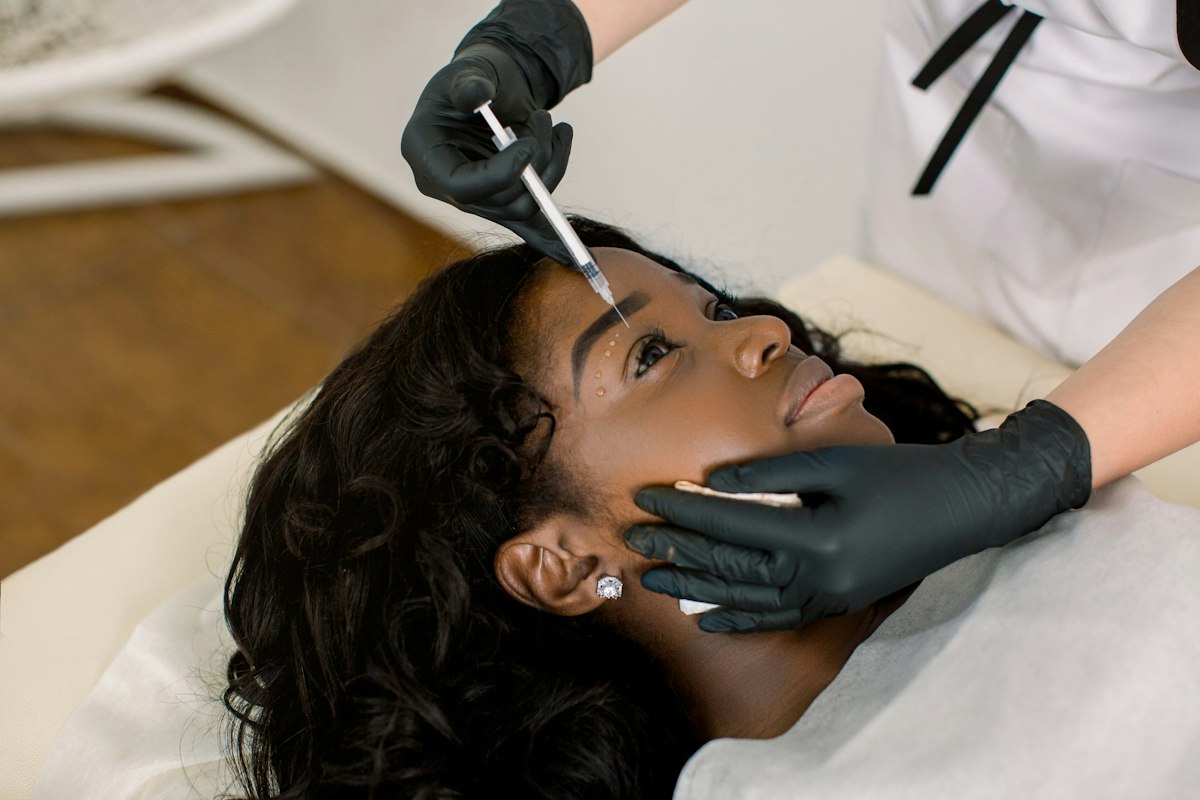
Treatment is quick and comfortable. Most sessions take about fifteen minutes. Fine needles are used to create precise placements with minimal sensation. Patients typically resume normal daily activities shortly after treatment.
Aftercare and Results Timeline
Aftercare is simple. Patients are advised to avoid lying flat for several hours, skip strenuous exercise for twenty four hours, and avoid heat exposure on the treatment day. Early improvement can appear within several days, depending on the product used, with full results developing over ten to fourteen days.
Frequently Asked Questions
Which is stronger, Botox or Dysport
Botox and Dysport are both effective neuromodulators. Their strength cannot be compared unit for unit because they use different measurement systems. Effectiveness depends on proper dosing and placement.
Which lasts longer
Both last around three to four months for most patients. Longevity depends more on anatomy and lifestyle than the product used.
Can you switch between Botox and Dysport
Yes. Many patients switch products based on preference, response, or desired onset time. Your provider will recommend the option that best suits your goals.
How many units will I need
Unit needs vary based on muscle strength, treatment area, and product selection. Dysport requires more numerical units than Botox due to different measurement systems.
Does the treatment hurt
Treatment involves minimal discomfort. Fine needles and gentle techniques are used to ensure comfort throughout the process.
How soon can I return to work after injections
Most patients return to normal work immediately. There is minimal downtime and only a few short term aftercare recommendations.
Conclusion and Next Steps
Both Botox and Dysport offer exceptional options for achieving smooth, natural, and rejuvenated results. With thoughtful evaluation and clinically guided techniques, your provider can determine which product aligns best with your aesthetic goals and facial anatomy. At GENEVA Primary Care and Med Spa, we offer a personalized approach rooted in safety, expertise, and subtle elegance that supports confidence at every age.
To take the next step toward refreshed and natural looking results, schedule a consultation with our Alpharetta team.
GENEVA Primary Care and Med Spa
3275 North Point Parkway Suite 204
Alpharetta GA 30005
Phone: (470) 704 9687
Book Your Botox or Dysport Consultation Today