By Dr. Jerath|JUL 13TH 2026
This guide walks you through how the treatment works, what to realistically expect at each stage, how many sessions you’ll likely need, and what separates a treatment plan that delivers results from one that doesn’t. By the end, you’ll have a clear picture of whether this is the right choice for you.
Book a Laser Hair Removal Consultation at Geneva Med Spa
What Is Laser Hair Removal
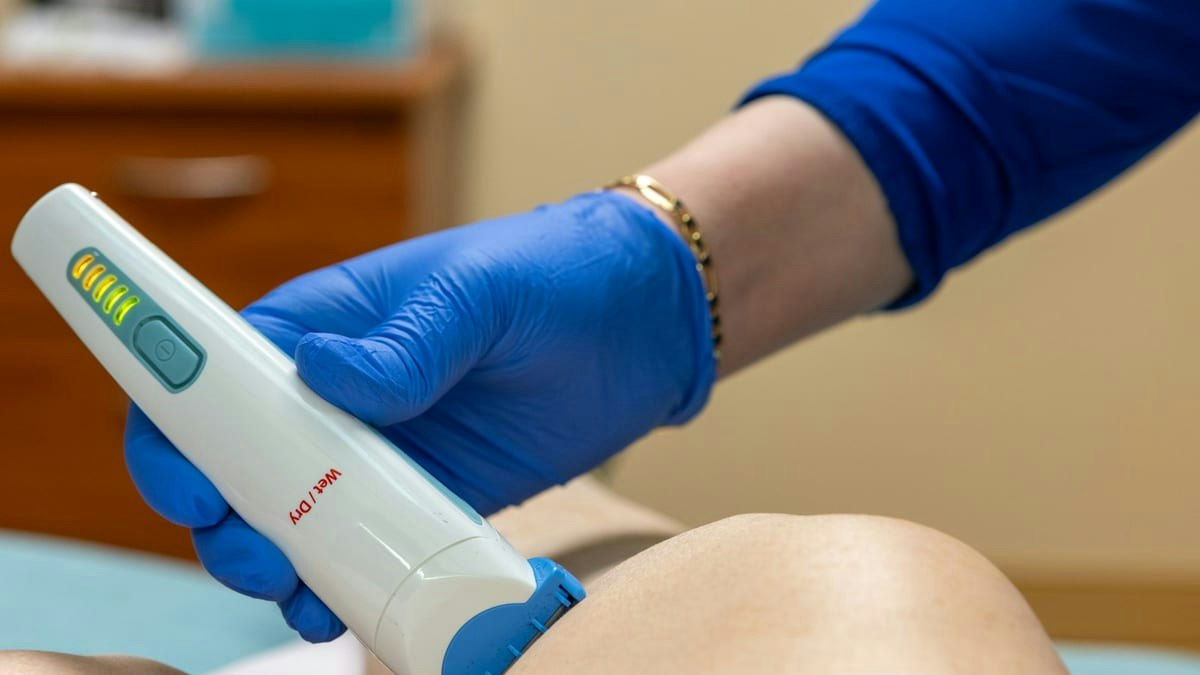
Laser hair removal is a treatment that uses targeted light energy to damage hair follicles and reduce future hair growth over time. The laser emits a specific wavelength of light that is absorbed by the melanin (pigment) inside the hair shaft. That light energy converts to heat, which travels down into the follicle and disrupts its ability to produce new hair.
The key word in that description is “over time.” A single session will not eliminate all your unwanted hair, and that’s not a limitation of the technology. It’s a reflection of how hair actually grows. Because the laser only effectively targets hair that is in its active growth phase, and because your hair cycles through that phase at different times, a properly spaced series of sessions is what produces full coverage and lasting results.
This is why laser hair removal is clinically described as long-term hair reduction rather than complete permanent removal. The distinction matters, and we’ll get into that more below.
How Laser Hair Removal Works
1. Targeting the Hair Follicle
The laser targets the pigment inside each hair strand. Because melanin absorbs the laser’s wavelength more efficiently than surrounding skin tissue, the energy concentrates in the hair itself. That heat transfers down to the follicle at the root, damaging the structures responsible for regrowth. The follicle doesn’t die instantly in most cases, but over a series of treatments, repeated targeting causes enough cumulative damage to significantly slow or stop production.
This is also why hair color matters so much. Darker hair contains more melanin, which means it absorbs the laser energy more efficiently. Light blonde, red, or white hair has less pigment to target, making treatment less predictable with some laser types.
2. The Hair Growth Cycle Matters
Hair doesn’t grow in a single continuous cycle. Every follicle on your body moves independently through three phases: anagen (active growth), catagen (transition), and telogen (resting). The laser is most effective during the anagen phase, when the hair is actively connected to the follicle and melanin concentration is highest.
At any given time, only a portion of your hairs are in the anagen phase. The exact percentage varies by body area, which is part of why some areas require more sessions than others. Facial hair, for example, tends to have a higher percentage of active follicles at once, while leg and body hair cycles more slowly.
3. Why Multiple Sessions Are Required
Because only actively growing hairs respond to treatment, each session catches a different set of follicles in the anagen phase. Sessions are spaced out strategically to align with the natural growth cycle of each area, which is why the timing between appointments varies depending on where on the body you’re being treated. This structure is not arbitrary. It’s designed to systematically work through all the follicles in a given area over the course of a full treatment plan.
How Many Sessions Do You Need for Laser Hair Removal
Most patients need between 6 and 8 sessions to achieve optimal results, though that number can shift based on several individual factors.
- Treatment area. Smaller areas with denser hair cycles, like the upper lip or underarms, often respond faster than larger areas like the legs or back, which have more follicles to work through.
- Hair thickness. Coarser, thicker hair tends to respond well to the laser because it contains more melanin. Very fine hair may require additional sessions to achieve the same level of reduction.
- Skin tone. Matching the right laser technology and energy settings to your specific skin tone is essential for both safety and effectiveness. At Geneva Med Spa, each treatment plan is customized based on your skin type assessment.
- Hormonal factors. Hormonal changes from conditions like PCOS, pregnancy, or thyroid imbalances can influence hair growth patterns and may affect how many sessions produce lasting results. If hormonal factors are relevant to your situation, your provider will discuss this as part of your consultation.
Sessions are typically spaced every 4 to 6 weeks, though that interval may be slightly longer for areas with slower hair cycles, like the legs or back. Staying consistent with your appointment schedule is one of the most important things you can do to get the most out of your treatment.
Is Laser Hair Removal Permanent
This is the question almost every patient asks, and the direct answer is: laser hair removal provides long-term hair reduction, not complete permanent removal.
What that means in practice: after a full course of treatment, most patients see an 80 to 90 percent reduction in hair growth in the treated area. The hair that does return tends to grow back finer, lighter, and slower than before. For many people, this is so close to “permanent” that the distinction barely matters in daily life.
That said, some patients do benefit from an occasional maintenance session once a year or so, particularly in hormone-sensitive areas like the face or bikini line. This is not a sign that the treatment failed. It reflects the reality that hair follicles can be stimulated by hormonal changes throughout life.
If you’re also exploring other areas of wellness at Geneva, it’s worth knowing that hormonal shifts tied to conditions like thyroid dysfunction or changes in body composition can influence hair growth. Our women’s health team and hormone therapy services address these underlying factors when relevant.
What Areas Can Be Treated
One of the practical appeals of laser hair removal is how many body areas can be treated. Common treatment zones include:
- Face. Upper lip and chin are among the most popular facial areas, particularly for women dealing with hormonal hair growth. Smaller facial areas often respond quickly.
- Underarms. A high-demand treatment because underarm hair grows in a relatively small area with consistent hair cycles, making it one of the faster areas to complete.
- Legs. Full leg or partial leg treatments are common for patients who want to eliminate the routine of daily shaving. More sessions are typically needed given the larger surface area.
- Bikini and Brazilian. A popular choice for those who want to reduce or eliminate hair in the bikini area entirely. Brazilian treatments address the full area.
- Back and chest. Particularly requested by men, back and chest treatments address larger areas with coarser hair that often responds well to laser targeting.
Your provider will assess each area individually and build a treatment plan that reflects the hair characteristics specific to that zone.
Does Laser Hair Removal Hurt
Most patients describe the sensation as a quick snap against the skin, similar to a rubber band, followed by a brief warmth. It’s not comfortable, but for most people it falls well short of what they’d consider genuinely painful.
Compared to waxing, many patients actually find laser hair removal more tolerable. Waxing pulls hair from the root across the entire surface of the skin repeatedly. The laser delivers a very brief pulse of energy, and modern devices incorporate cooling systems that help dissipate heat from the surface of the skin during treatment.
Some areas are more sensitive than others. The upper lip and bikini line tend to be more noticeable than the legs or underarms. Staying well-hydrated before your appointment and avoiding caffeine the day of can help with overall comfort. Your provider can also adjust settings to balance effectiveness with your individual tolerance.
Results Timeline: When Will You See Results
Results from laser hair removal don’t appear overnight, and understanding the timeline helps set realistic expectations before you start.
After your first one or two sessions, you may notice some immediate shedding of treated hairs in the weeks that follow. This is normal and expected. The hair isn’t being removed in the way waxing removes it. Instead, the treated follicles gradually release the damaged hair, and you’ll notice the area looking thinner.
By the midpoint of your treatment plan, typically around sessions three through five, most patients see noticeable thinning and slower regrowth. The skin surface becomes smoother between sessions because the hair that grows back is finer and less dense.
After completing a full treatment cycle, most patients experience the best results in terms of overall reduction. The skin is clearer, regrowth is significantly slowed, and many patients go weeks or months without needing to shave or wax at all in the treated areas.
Who Is a Good Candidate for Laser Hair Removal
The best candidates for laser hair removal are people with darker hair and lighter to medium skin tones, because the contrast between hair pigment and surrounding skin makes targeting more precise and effective. That said, modern laser technology has expanded considerably, and many devices are now designed to work safely across a broader range of skin tones with proper settings adjustments.
You’re a strong candidate if:
- You have dark, coarse hair. Higher melanin content in the hair means more efficient energy absorption and better results per session.
- You’re tired of the maintenance cycle. If shaving, waxing, or threading is consuming your time and budget month after month, the long-term math often favors laser.
- Your skin is not currently tanned or sunburned. Active tanning increases melanin in the surrounding skin, which can interfere with targeting and raise the risk of skin irritation. Most providers recommend avoiding sun exposure on treated areas before and between sessions.
- You have realistic expectations. Laser hair removal works. But it’s a multi-session process, and the results build over time. Patients who understand this going in tend to be the most satisfied with their outcomes.
A consultation is the best way to assess whether laser hair removal is right for your specific hair type, skin tone, and goals.
Are There Any Side Effects or Risks
Laser hair removal is a well-established treatment with a strong safety profile when performed with appropriate equipment and by experienced providers. Most side effects are mild and short-lived.
- Temporary redness. The treated area may appear pink or red immediately after the session, similar in appearance to a mild sunburn. This typically fades within a few hours.
- Mild swelling. Some patients notice slight puffiness around the follicles right after treatment. This usually resolves within 24 hours.
- Skin sensitivity. The treated area may feel tender or more sensitive to touch for a day or two. Avoiding heat, sun exposure, and certain skincare products during this window helps protect the skin.
- Rare irritation or pigment changes. In rare cases, particularly when incorrect energy settings are used for a patient’s skin tone, there can be temporary pigment changes. This is one of the primary reasons provider expertise and proper skin type evaluation matter.
Following your provider’s aftercare instructions and being transparent about your skin type, any medications you’re taking, and recent sun exposure all contribute to a smoother, lower-risk experience.
Laser Hair Removal vs Waxing and Shaving
Laser vs Waxing
Waxing removes hair at the root, which means it grows back more slowly than shaving. But it still grows back. You’re committing to appointments roughly every four to six weeks indefinitely, at a cost that adds up considerably over years. Waxing also irritates the skin repeatedly, and it’s one of the more common causes of ingrown hairs.
Laser hair removal targets the follicle itself, progressively reducing regrowth rather than just temporarily removing the hair. Once you’ve completed a full treatment plan, you’re not returning every six weeks. The ongoing maintenance, if any, is far less frequent. Patients also typically see fewer ingrown hairs as the hair grows back finer and the skin’s texture improves. You can learn more about related skin rejuvenation services at Geneva that complement laser treatments.
Laser vs Shaving
Shaving is fast and inexpensive in the moment, but it’s also the highest-maintenance option. For most people, it needs to happen every day or every few days to maintain the appearance they want. Over a lifetime, that’s an enormous amount of time spent on a task that laser hair removal can largely eliminate.
Shaving also cuts hair at the surface, leaving a blunt edge that makes regrowth feel stubbly and visible quickly. Laser reduces the hair follicle’s productivity at the root, so the hair that does return grows back softer and finer rather than with that characteristic stubble texture. For patients who also deal with razor burn or skin irritation from frequent shaving, the skin improvement alone is often reason enough to consider the switch.
Is Laser Hair Removal Worth It
For most patients, the answer is yes. Laser hair removal is worth the investment because it reduces long-term maintenance, improves skin texture, and minimizes ingrown hairs in a way that shaving and waxing simply cannot.
The value becomes clearest when you think in terms of time and cumulative cost. A patient who waxes their legs and bikini area consistently spends hundreds to over a thousand dollars per year, every year, indefinitely. Laser hair removal has a higher upfront cost over a treatment cycle, but after that cycle is complete, most patients spend very little on hair removal going forward.
The time savings are just as significant. If you shave your legs every two to three days, that adds up to hours per month and days per year. Reclaiming that time is not a small thing.
And from a comfort and confidence standpoint, many patients describe the freedom from constant grooming maintenance as one of the more meaningful quality-of-life improvements they’ve made. That’s not an exaggeration. It’s a consistent theme in how patients talk about their results.
Why Treatment Technique Matters
Laser hair removal is not a situation where any device and any provider deliver the same outcome. The technology matters. The settings matter. And the clinical judgment of the person performing the treatment matters a great deal.
The right energy level for your treatment depends on your hair thickness, your skin tone, and the specific area being treated. Using settings that are too conservative won’t adequately damage the follicle, producing underwhelming results. Settings that are too aggressive for a given skin type increase the risk of irritation or pigment changes.
A thorough skin type evaluation before your first session is not optional. It’s the foundation of a safe and effective treatment plan. The person performing your treatment should understand how to calibrate the device for your individual profile and how to adjust settings across your sessions as the hair density changes.
This is exactly the kind of clinical attention to detail that separates a medical setting from a discount laser chain.
Why Patients Choose Geneva Med Spa for Laser Hair Removal
Geneva Primary Care and Med Spa is a physician-led practice in Alpharetta, Georgia. That distinction matters for aesthetic treatments like laser hair removal, where the clinical foundation of the practice directly influences how treatment plans are built and executed.
Our providers use medical-grade laser technology and customize every treatment plan based on your skin type, hair characteristics, and goals. We’re not offering a one-size-fits-all package. We’re evaluating what will actually produce results for you specifically, and adjusting throughout your treatment as needed.
Patients come to Geneva from across the Alpharetta and Johns Creek area because they want results they can trust from a team with the clinical background to deliver them. We also offer a range of complementary aesthetic services, including Botox, dermal fillers, microneedling, and chemical peels, so if you’re interested in addressing multiple concerns, we can build a coordinated plan.
If you’re ready to stop shaving and waxing and start seeing a real long-term difference, a consultation is the right first step.
Book Your Laser Hair Removal Consultation at Geneva Med Spa
Frequently Asked Questions
Is laser hair removal permanent
Laser hair removal provides long-term hair reduction by damaging hair follicles, but it is not considered completely permanent in the clinical sense. Most patients see an 80 to 90 percent reduction in hair growth after a full treatment cycle. Any hair that does return tends to grow back significantly finer and lighter than before. Some patients, particularly in hormone-sensitive areas, choose to do occasional maintenance sessions once a year or so to preserve their results.
How many laser hair removal sessions do I need
Most patients need between 6 and 8 sessions to achieve optimal results. That number varies depending on the treatment area, your hair thickness and color, your skin tone, and whether hormonal factors are influencing your hair growth. Sessions are typically spaced every 4 to 6 weeks so that each appointment targets a different set of follicles in their active growth phase. Staying consistent with the schedule is one of the most important factors in getting full coverage.
Does laser hair removal hurt
Most patients describe the sensation as a quick snap against the skin, similar to a rubber band, followed by brief warmth. It’s generally much more comfortable than waxing, which repeatedly pulls hair across the full skin surface. Modern laser devices use integrated cooling systems to improve comfort during treatment. More sensitive areas, like the upper lip or bikini line, tend to feel more noticeable than areas like the legs or underarms.
Can laser hair removal work on all skin types
Laser hair removal can be performed safely and effectively on a wide range of skin tones when the right laser technology and energy settings are used. The key is a proper skin type evaluation before treatment begins. Darker hair on lighter to medium skin tones tends to respond most efficiently because the contrast between hair pigment and surrounding skin makes targeting more precise. A thorough consultation allows your provider to match the appropriate device and settings to your individual profile.
Is laser hair removal better than waxing
Laser hair removal offers significantly longer-lasting results than waxing because it targets the follicle itself rather than just removing the hair temporarily. After a full treatment cycle, most patients experience dramatically reduced regrowth and far less ongoing maintenance. Waxing must be repeated every four to six weeks indefinitely, at a cost and time commitment that adds up considerably over years. Laser also tends to produce fewer ingrown hairs because the hair grows back finer and the skin texture improves over time.
Ready to Stop Shaving for Good
Laser hair removal is one of the most effective ways to reclaim your time, improve your skin, and permanently reduce the maintenance cycle of shaving and waxing.
The treatment works best when it’s built around your individual hair type, skin tone, and goals, and that requires a clinical approach. At Geneva Med Spa, every laser hair removal plan starts with a thorough evaluation so we can deliver results that are both safe and lasting. Whether you’re targeting your legs, face, underarms, bikini area, or back, our team has the technology and expertise to build a plan that works for you.
We also offer a full suite of skin rejuvenation services, primary care, and medical weight loss options for patients who want to address their wellness and appearance in a comprehensive way. If you’re curious about any of those services, we’re happy to talk through what makes sense at your consultation.
Geneva Primary Care and Med Spa
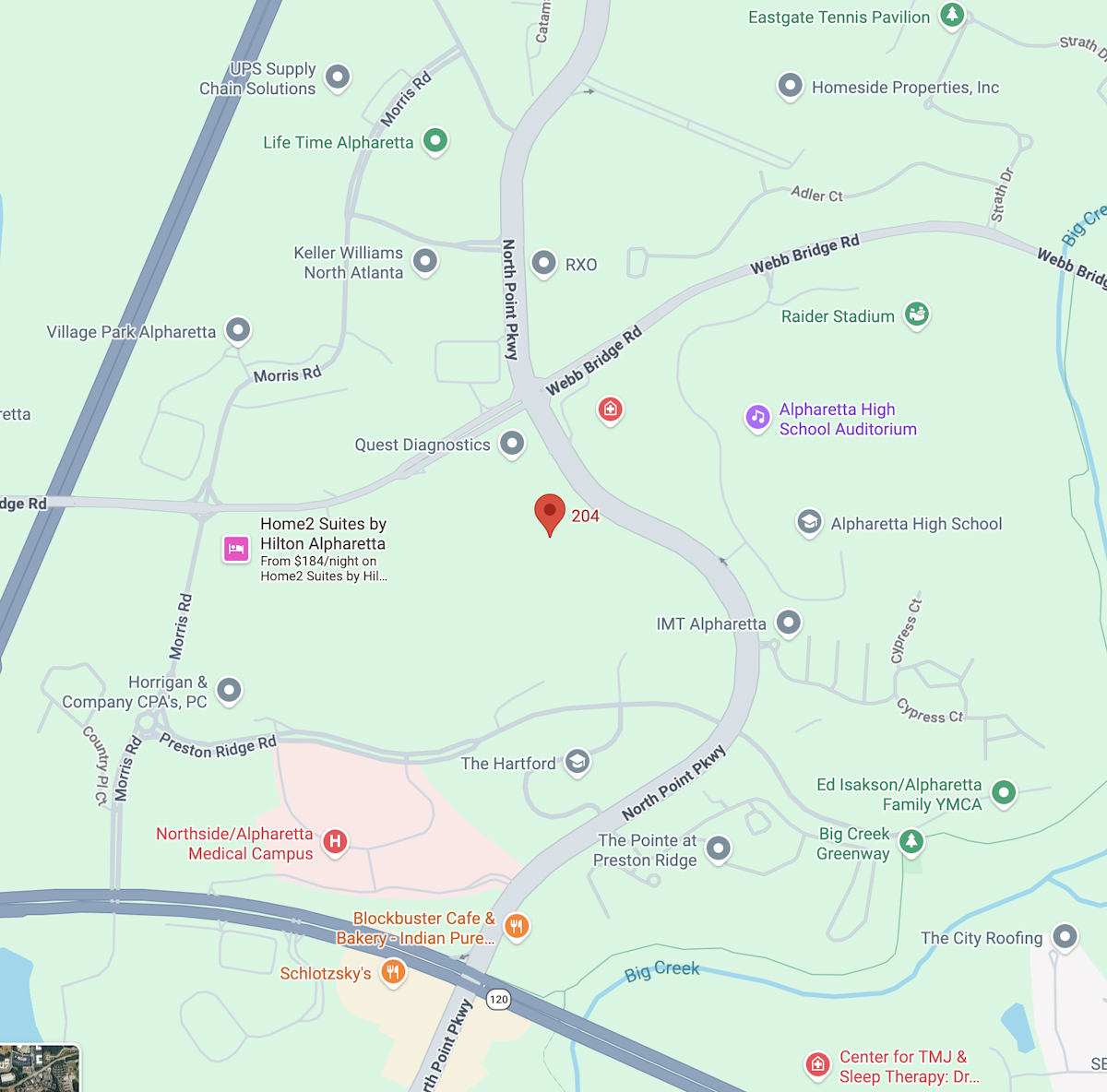
3275 North Point Parkway Suite 204
Alpharetta, GA 30005
Phone (470) 704-9687
Schedule Your Laser Hair Removal Consultation in Alpharetta