By Dr. Jerath|OCT 5TH 2026
Lower Appetite Means Nutrition Quality Matters More
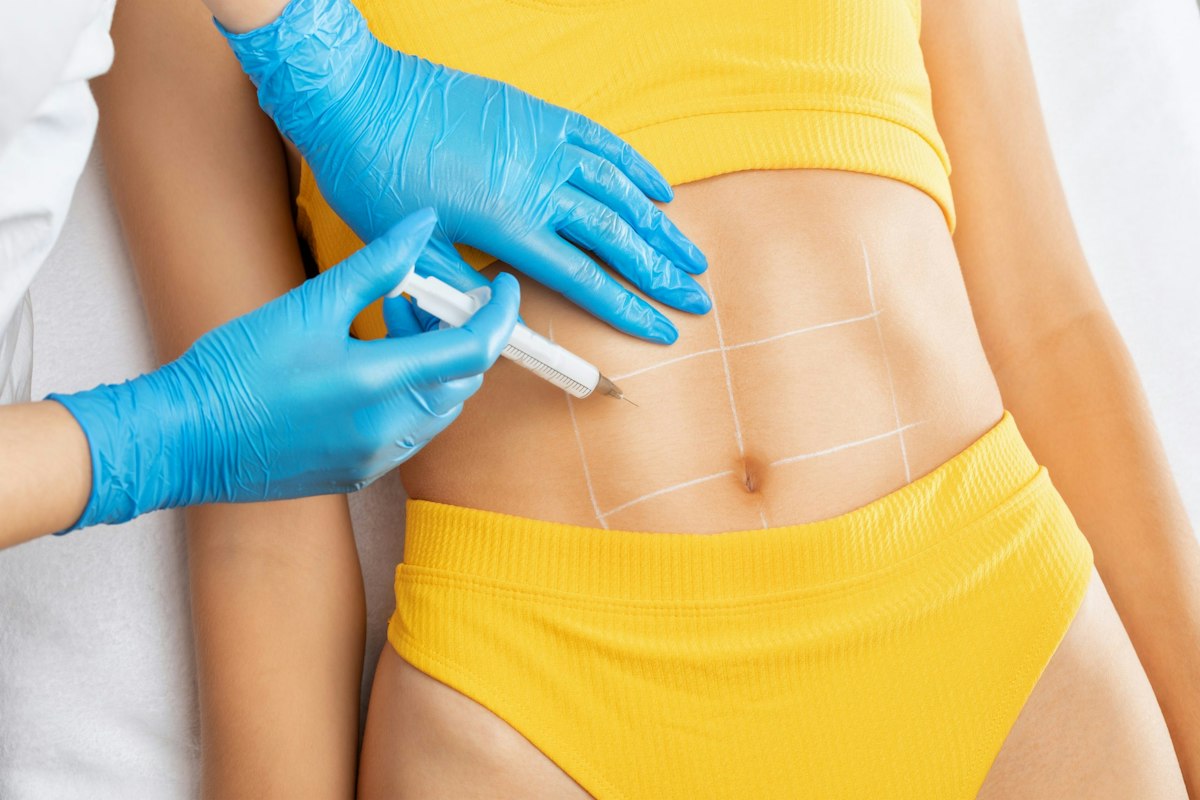
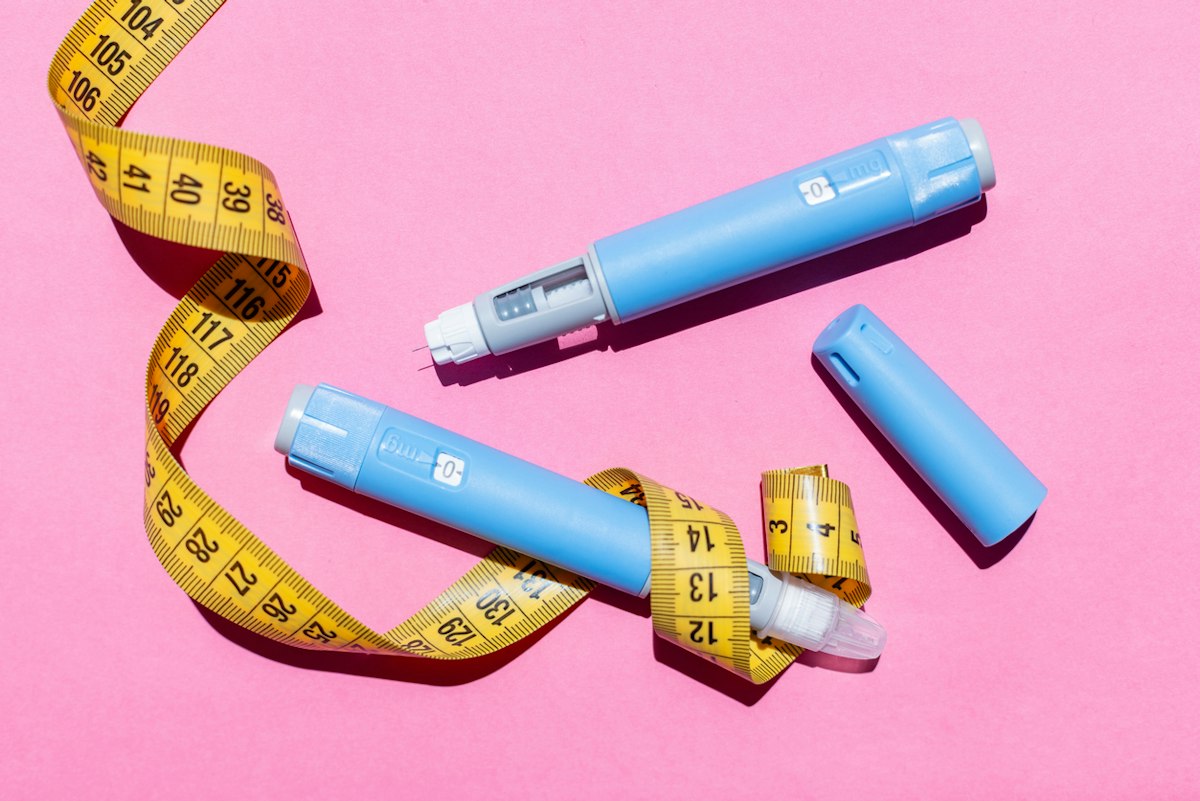
GLP-1 medications are prescription treatments that mimic a gut hormone your body already makes. They reduce hunger and food noise, increase fullness, and slow gastric emptying, meaning food leaves your stomach more slowly. Some, such as tirzepatide, also act on a second hormone receptor called GIP, and we cover those differences in our comparison of tirzepatide and other GLP-1 medications.
A meal you finished easily six months ago may feel like too much halfway through. That is the medication doing its job, but fewer bites also means fewer chances to get protein, fiber, fluids, and micronutrients in. One observational study of adults taking GLP-1 or dual GIP/GLP-1 medications found that their protein and several key micronutrients came in low while fat and sodium ran high, with total energy intake well below estimated needs.
A 2025 joint advisory from four nutrition and obesity medicine societies names this directly, listing nutritional deficiencies from calorie reduction, along with muscle and bone loss, among the main challenges of GLP-1 therapy. That is a reason to plan meals on purpose, not a reason to avoid treatment.
Protein Helps Support Lean Mass During Weight Loss
When you lose weight, you lose fat and some lean mass, meaning muscle and other non-fat tissue. That happens with any substantial weight loss, whether it comes from medication, surgery, or lifestyle change. A recent systematic review found that lean mass can make up a meaningful share of total weight lost during treatment with incretin medications. That is not evidence these drugs uniquely harm muscle, but it is reason to be deliberate. Muscle keeps your metabolism humming and protects your independence as you age, and holding onto it takes both protein and resistance training, meaning strength work with weights, bands, or your own body weight.
Start With Protein When Appetite Is Low
Here is the most useful habit for anyone eating smaller meals: eat the protein portion first. If you get full after five or six bites, you want those bites doing the heaviest nutritional lifting.
- Greek yogurt or cottage cheese
- Eggs, fish, and seafood
- Chicken, turkey, or lean cuts of meat
- Tofu, tempeh, beans, and lentils
- Nuts, seeds, and nut butters, as tolerated
- Protein shakes when whole food is hard to get down and your care plan supports them
Why There Is No Single Protein Number for Everyone
Published guidance for people on these medications generally lands between 0.8 and 1.6 grams of protein per kilogram of body weight per day, sometimes expressed as roughly 80 to 120 grams daily. That is a wide range for a reason. Your target depends on body size, age, activity level, kidney function, diabetes treatment, and other conditions, which is why it belongs in a conversation with your clinician rather than in a blanket rule.
The same review flags reduced absorption of iron, vitamin B12, vitamin D, calcium, and thiamine as worth monitoring when intake drops sharply, which is why lab review matters during treatment and why some people ask about B12 and vitamin injections. Supplementation should follow your labs, not a trend.
Fiber on GLP-1: More Is Not Always Better Overnight
Dietary fiber is the part of plant food your body does not fully digest. It keeps bowel movements regular, slows how quickly sugar hits your bloodstream, supports fullness, and brings along vitamins and minerals from vegetables, fruit, beans, whole grains, nuts, and seeds. An expert consensus panel recommended at least 25 grams of fiber daily for women and 30 grams for men, with about 35 grams for people with diabetes.
Increase Fiber Gradually
Constipation is common during weight loss and appears on FDA labeling among the most frequently reported side effects of semaglutide, along with nausea, diarrhea, vomiting, and abdominal pain. Fiber helps many people, but doubling your intake in a weekend tends to produce bloating and cramping, especially when your stomach is already emptying slowly. Add one fiber-rich food at a time and give your gut a week to adjust, and if nausea is already in the picture, cooked vegetables are often easier than raw. Fiber also needs water to work, so every time you add more plants, add more fluid. Our guide to managing GLP-1 side effects goes deeper on digestive changes.
Sip Fluids Consistently, Especially if Nausea or Diarrhea Occur
Hydration slips quietly when appetite drops. Fewer meals means fewer glasses alongside them, and large volumes of liquid can make you feel uncomfortably full, so people start sipping less without noticing. FDA labeling for semaglutide and tirzepatide warns that gastrointestinal reactions can lead to dehydration and volume depletion, meaning a drop in body fluid that can strain the kidneys. That makes hydration a safety issue, not just a nutrition detail.
- Sip steadily through the day rather than drinking a large amount at once.
- Make water your default and keep a bottle where you will see it.
- Watch for dark urine, persistent thirst, lightheadedness, or unusual fatigue.
- Call your clinician if vomiting or diarrhea keeps you from holding fluids down.
Electrolyte drinks help some people and are unnecessary for others. If you have kidney disease, heart disease, high blood pressure, or take medications affected by sodium and potassium, ask first. For more on when symptoms cross from normal to concerning, see our article on what is normal and what is not with semaglutide.
A GLP-1 Meal Does Not Need to Be Large to Be Balanced
You do not need a rigid meal plan. You need a repeatable order of operations you can apply to whatever is in your kitchen.
| Priority |
Why it matters |
Examples |
| 1. Protein |
Supports lean mass and makes limited meal volume count |
Eggs, Greek yogurt, fish, poultry, tofu, beans |
| 2. Produce and fiber |
Adds fiber, micronutrients, and volume as tolerated |
Vegetables, berries, fruit, lentils |
| 3. Quality carbohydrate |
Supports energy and activity |
Oats, potatoes, brown rice, quinoa |
| 4. Healthy fat, tolerated portion |
Helps absorb nutrients and makes meals satisfying |
Olive oil, avocado, nuts, seeds |
| 5. Fluids across the day |
Supports hydration and regularity |
Water and other low-sugar fluids |
This is an order, not a plate diagram. Some people eat close to normally on a stable dose, while others manage only a few ounces during a dose increase.
How to Eat When Fullness Arrives Early
If one regular-sized meal leaves you uncomfortably full for hours, splitting your intake into three small meals plus a protein-forward snack often goes down easier. Fullness can also arrive suddenly, so put the fork down between bites and stop when you feel satisfied rather than finishing the portion you would have eaten a year ago.
Which Foods Are Harder to Tolerate on GLP-1 Medications
Think adjust, not ban. A food that wrecks your afternoon may not bother the person next to you, but a few patterns come up often:
- Very large meals, regardless of what is in them
- Fried or very high-fat meals, which sit longer in a slowly emptying stomach
- Very rich, heavy dishes, and eating quickly
- Alcohol, particularly when it worsens nausea, reflux, or dehydration
- Anything you already knew triggered reflux or bloating before treatment
The joint society advisory lists smaller meals, steady fluids, and limiting fatty foods among the standard strategies for managing these symptoms. Keep notes for a couple of weeks and your own pattern will show up quickly. If nausea is dictating every meal, dose timing and pace of escalation matter too, so start with our side effect management guide and bring it up at your next visit.
What to Do if You Are Eating Too Little on a GLP-1
Appetite suppression can overshoot. The same expert consensus that set fiber targets also recommended a floor of roughly 1,000 to 1,200 calories per day when stepping intake down, so eating less forever is not the aim. Watch for struggling to get protein in on most days, unusual weakness, dizziness, hair thinning, repeated vomiting or diarrhea, or trouble keeping fluids down.
When to Contact Your Clinical Team
Reach out when symptoms are persistent, severe, or getting in the way of eating and drinking. Your clinician may hold a dose, slow escalation, adjust other medications, or check kidney function and labs. Our overview of GLP-1 safety and when these medications are not recommended covers the bigger picture, and if results have stalled, our timeline for GLP-1 results is a useful reality check.
Build a Weight-Loss Plan That Supports Your Nutrition, Muscle, and Long-Term Health
Medication is one part of the plan. Geneva Med provides physician-led medical weight loss and GLP-1 care for Alpharetta, Johns Creek, Milton, and the rest of North Atlanta, with nutrition guidance, lab monitoring, metabolic evaluation when relevant, and in-person or telemedicine follow-up. Whether you are starting tirzepatide, already on a stable dose, or still deciding, knowing what to eat on GLP-1 therapy is part of the care, not an afterthought.
To build a plan around your labs, your history, and how your body actually responds, book a free weight-loss consultation or call (470) 704-9687. You can find us at 3275 North Point Pkwy Suite 204, Alpharetta, GA 30005, and here is what to expect at your first visit.
Frequently Asked Questions About Eating on GLP-1 Medications
What should I eat while taking a GLP-1 medication?
Prioritize protein at every meal, add nutrient-dense produce and fiber-rich foods as your stomach tolerates them, include quality carbohydrates and healthy fats in portions that feel comfortable, and sip fluids across the day. Smaller meals are often easier when appetite is low. There is no single GLP-1 diet that fits everyone, so the best pattern is one you can sustain and that matches your medical plan.
How much protein should I eat on a GLP-1?
Protein needs vary by body size, age, activity level, and health status. Published guidance for people on these medications generally spans roughly 0.8 to 1.6 grams per kilogram of body weight daily, often described as about 80 to 120 grams per day. Kidney disease, diabetes treatment, and other conditions can change that, so confirm your target with your clinician rather than adopting a high-protein plan on your own.
Can I eat carbohydrates while taking a GLP-1?
Yes. Taking a GLP-1 medication does not mean you have to eliminate carbohydrates. They fuel workouts and daily activity, which matters when you are trying to hold onto muscle. Focus on portion size and quality: fiber-rich, minimally processed options such as oats, beans, potatoes, quinoa, and whole grains most of the time, adjusted to your blood glucose goals if you have diabetes.
What foods should I avoid on a GLP-1?
There is no universal banned-food list. Many people find that very large meals, fried or very high-fat dishes, rich heavy foods, eating quickly, and alcohol make fullness or nausea worse, especially during dose increases. Tolerance is individual, so track which foods consistently bother you and adjust portions or preparation instead of permanently cutting out whole food groups.
Should I eat before or after my GLP-1 injection?
Injection-day timing is a separate question from everyday nutrition, and your clinician's instructions come first. Most people can take their dose without a specific eating window, though some prefer a lighter meal that day. For a full walkthrough of preparation and what to expect, see our guide on how to prepare for your first weight-loss injection appointment.
What if I have no appetite on a GLP-1?
Start with protein-first choices in smaller, nutrient-dense portions, eat on a loose schedule rather than waiting for hunger, and keep fluids going all day. Smoothies, Greek yogurt, eggs, and soups are often easier than a full plate. If you cannot consistently eat or drink enough, or you feel weak, dizzy, or keep vomiting, contact your prescribing clinician promptly.
How much water should I drink on a GLP-1?
Fluid needs vary with body size, activity, climate, and medical history, so there is no single number. Aim for steady sipping through the day rather than large volumes at once, use water as your default, and watch for dark urine, thirst, or lightheadedness. Persistent vomiting or diarrhea can cause dehydration and needs clinician attention, not just more water.