By Dr. Jerath|OCT 12TH 2026
What Side Effects Are Normal After CO2 Laser Resurfacing
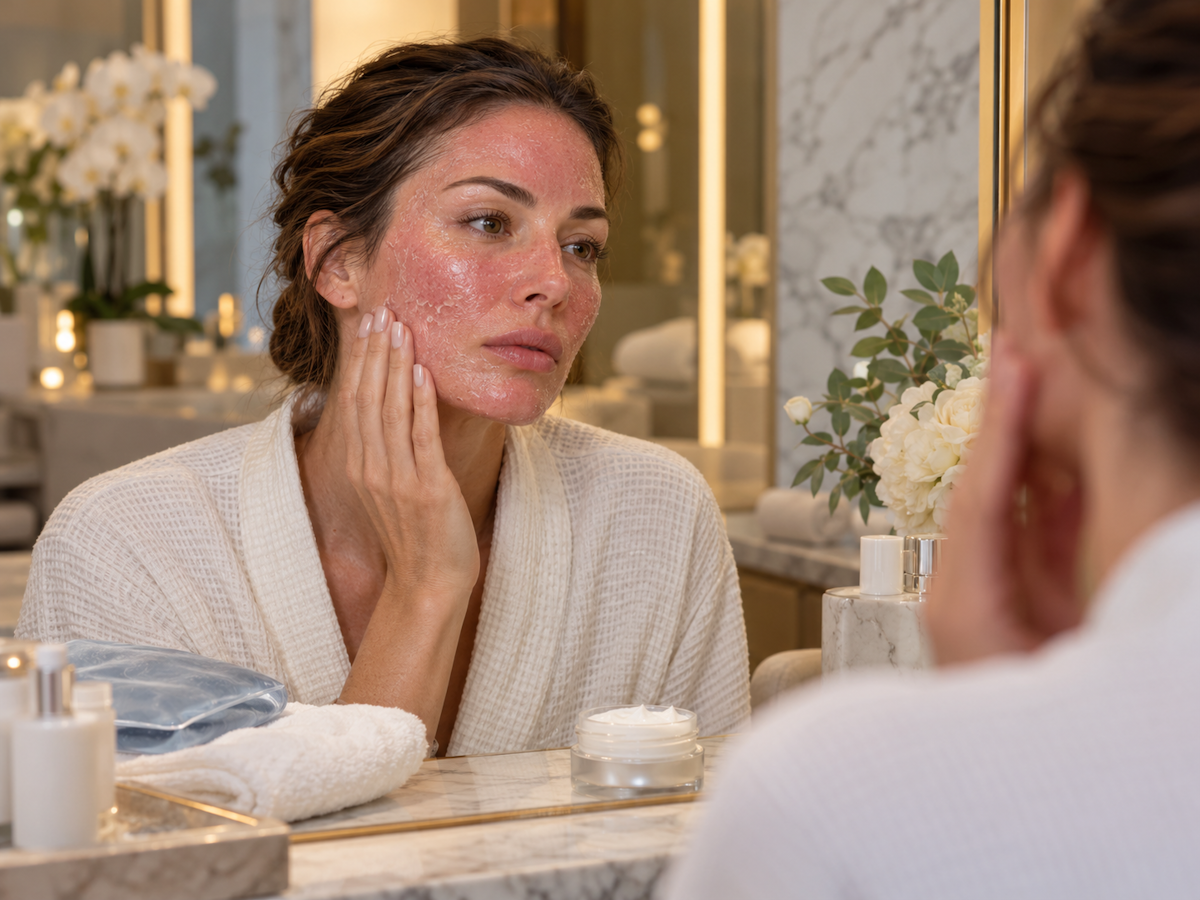
Because the laser treats the surface of the skin on purpose, some visible reaction is built into the treatment. How dramatic that reaction looks depends on how deep and how dense the settings were, which area was treated, and how your skin personally heals.
Expected effects commonly include:
- redness (erythema), from a flushed look to a deeper sunburn color
- warmth and a stinging, sunburn-like feeling for the first several hours
- swelling (edema), often most noticeable around the eyes in the first day or two
- tenderness and general skin sensitivity
- dryness, tightness, peeling and flaking as the surface turns over
- crusting or pinpoint scabbing with more intensive treatment
- lingering pinkness after the surface has sealed
Normal Healing vs a Complication
An expected response improves over time as treated skin heals. A complication is a different event: an infection, a significant pigment disturbance or abnormal scarring. Patient education from University of Michigan Health groups the genuine risks of laser resurfacing as delayed healing, infection, abnormal healing including scarring, and pigment changes, which helps separate those from routine peeling. Looking rough for a few days is not evidence that something went wrong. For the week-by-week picture, see our guide to CO2 laser recovery, healing stages and aftercare.
CO2 Laser Risks and Complications Worth Knowing About
These are less common than routine healing, and most are influenced by candidate selection, treatment settings and preparation. A peer-reviewed review of resurfacing procedures found that pigmentary disturbances, redness, infection and scarring are the complications that show up most often across CO2 laser, chemical peels and dermabrasion alike. The dermatology reference DermNet sorts CO2 laser side effects by severity, from mild issues such as milia and breakouts up to rare severe outcomes including hypertrophic scarring.
Infection
After ablative resurfacing the skin barrier is temporarily open, so cleanliness and aftercare matter during the first several days. Bacterial, viral and fungal infections are all possible, which is why providers give specific wound care instructions instead of letting you improvise.
Cold Sore (Herpes Simplex) Reactivation
Laser resurfacing can reactivate herpes simplex in people who carry the virus, most often around the mouth, and a reactivation during healing can slow recovery. In one study of antiviral prophylaxis before facial CO2 resurfacing, roughly a third of people with a history of cold sores had a recurrence, compared with about 5 percent of those with no known history. A cold sore history does not disqualify you. It simply needs to be disclosed, because preventive antiviral medication may be appropriate.
Pigment Changes
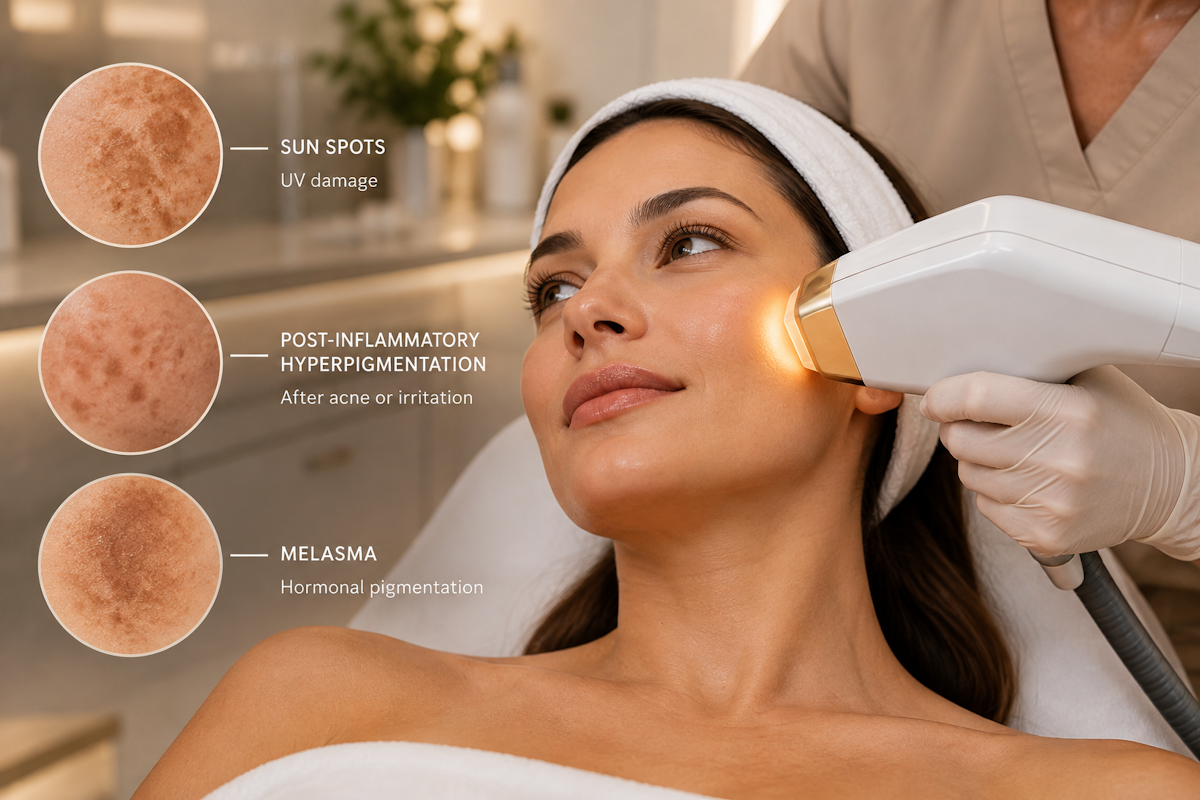
Post-inflammatory hyperpigmentation means treated skin turns darker than your baseline, usually temporarily. Hypopigmentation means treated skin turns lighter, which is less common and can be more persistent. Risk varies with your skin tone, the intensity of the laser, recent sun exposure and how your skin has reacted to inflammation in the past. If pigment is already your main concern, our overview of laser treatment for hyperpigmentation explains how those goals are approached differently.
Scarring
Scarring is a complication, not an outcome you should expect. Risk goes up with settings that are too aggressive for the skin being treated, an untreated infection, picking at healing skin, or a personal history of hypertrophic or keloid scars. This is one of the clearest arguments for conservative planning when there is any doubt.
Does CO2 Laser Hurt
Yes, it can be uncomfortable, and it is more honest to say so than to market it as painless. Most people describe heat, prickling and stinging during treatment, with briefly sharper sensations in thinner areas such as around the nose, the upper lip and near the eyes. Deeper, denser settings feel stronger than light fractional passes. Afterward, warmth, a burning sunburn feeling, tenderness and tightness typically ease over the first several hours.
Topical anesthetic is commonly applied beforehand and makes a meaningful difference, but it does not erase sensation entirely. More intensive resurfacing calls for more comfort management, which is part of what gets discussed during planning. If you are weighing comfort against results, our comparison of CO2 laser versus microneedling covers how different treatment depths trade off against each other.
Why Treatment Intensity Changes Side Effects and Risk
One person online says they were pink for two days. Another peeled for a week. Both may have had something called CO2 laser. Fractional CO2 is a range rather than a single setting, and treatments vary by energy, depth, density, number of passes and treated area. Greater intensity generally means more visible inflammation, a longer heal, more discomfort and more wound care, along with more significant resurfacing results. The point is not that stronger is more dangerous, but that the intensity should match the goal and the skin in front of the provider. Our article on CoolPeel versus CO2 laser resurfacing breaks down that spectrum.
How Skin Tone Affects CO2 Laser Risk
Skin with more active melanin tends to respond to inflammation by producing pigment, which is why post-inflammatory hyperpigmentation is a bigger consideration in medium and deeper skin tones. In research on fully ablative CO2 devices, hyperpigmentation occurred in more than 37 percent of dark-skinned subjects, part of why fractional devices and more conservative settings were explored for skin types 4 and 5.
That does not mean deeper skin tones cannot have CO2 laser, and it does not mean fractional technology makes pigment risk disappear. Fitzpatrick skin type, pigment history and settings all belong in the conversation beforehand. Tell your provider if you tend to develop lasting dark marks after breakouts, cuts or previous cosmetic procedures, because that pattern can change both the recommended device and the recommended intensity.
Who Is a Good Candidate for Fractional CO2 Laser
Good candidates are generally adults in reasonably good health with a concern that justifies more intensive resurfacing, who can accommodate visible recovery and follow instructions while the skin heals. Concerns commonly treated at this depth include established acne scars, etched fine lines and wrinkles, accumulated sun damage, and rough or uneven texture.
Realistic expectations matter just as much. Resurfacing improves skin, it does not reset it, and final results build over months as collagen remodels. Aftercare ability is the quiet deciding factor: a good candidate can keep treated skin clean and moisturized as directed, resist picking at flaking skin, stay diligent about sun protection, and come back for follow up if asked.
Who May Need to Delay or Avoid CO2 Laser Resurfacing
Think of the list below as screening factors, not a self-diagnosis checklist. Most affect timing or protocol selection rather than ruling treatment out forever: active infection in the treatment area, an active cold sore, active inflammatory acne where the laser would be used, a recent tan or heavy sun exposure, a history of poor wound healing, keloid or hypertrophic scarring, immune conditions, certain medications, recent procedures, pregnancy, and current or recent isotretinoin use.
Elective resurfacing is usually postponed when the area has an active infection or a significant breakout, because treated skin needs to heal predictably. A tan is an active pigment response, so letting it fade beforehand is standard preparation.
Medications and Isotretinoin
Share your full list, including prescriptions and relevant supplements, the way you would during any medication review. Current or recent isotretinoin (Accutane) use deserves specific mention. Traditional guidance recommended delaying aggressive resurfacing, while more recent reviews have questioned blanket restrictions for fractional procedures, so timing should be decided individually by the provider planning your treatment.
How Providers Reduce the Risk of CO2 Laser Complications
Most of CO2 laser safety happens before the device is ever turned on. A thorough skin assessment looks at tone, current condition, pigment history, existing scars and the specific concern being treated, alongside a history review covering medications, recent procedures, healing history and cold sores.
Settings are then matched to the concern, the skin and the recovery you can realistically take on. Preparation may include instructions on sun exposure, pausing irritating skincare, and antiviral medication when a cold sore history makes that sensible. Careful aftercare supports barrier repair, lowers infection risk and protects healing skin from pigment triggers. Our broader guide to how laser skin treatments work covers how these decisions differ across devices.
When to Contact Your Provider After CO2 Laser
Healing should generally trend toward better, not worse. Reach out to the provider who treated you if something feels substantially worse than you were told to expect, if symptoms keep escalating instead of easing, if anything looks like infection or abnormal healing, or if you are simply worried. No online timeline can tell you whether your specific skin is healing normally.
CO2 Laser Candidacy at GENEVA Med in Alpharetta
Deciding whether fractional CO2 is right for you starts with a skin and health assessment, not a price list. At GENEVA Med, that covers skin type and tone, the concern you want treated, medical history, medications, previous laser treatments, cold sore history, how much visible recovery your schedule allows, and what you are hoping to see. Only then does it make sense to choose between deeper fractional CO2, a lighter CoolPeel style treatment or a non-ablative option. GENEVA Med serves Alpharetta, Johns Creek, Milton and the Greater Atlanta area.
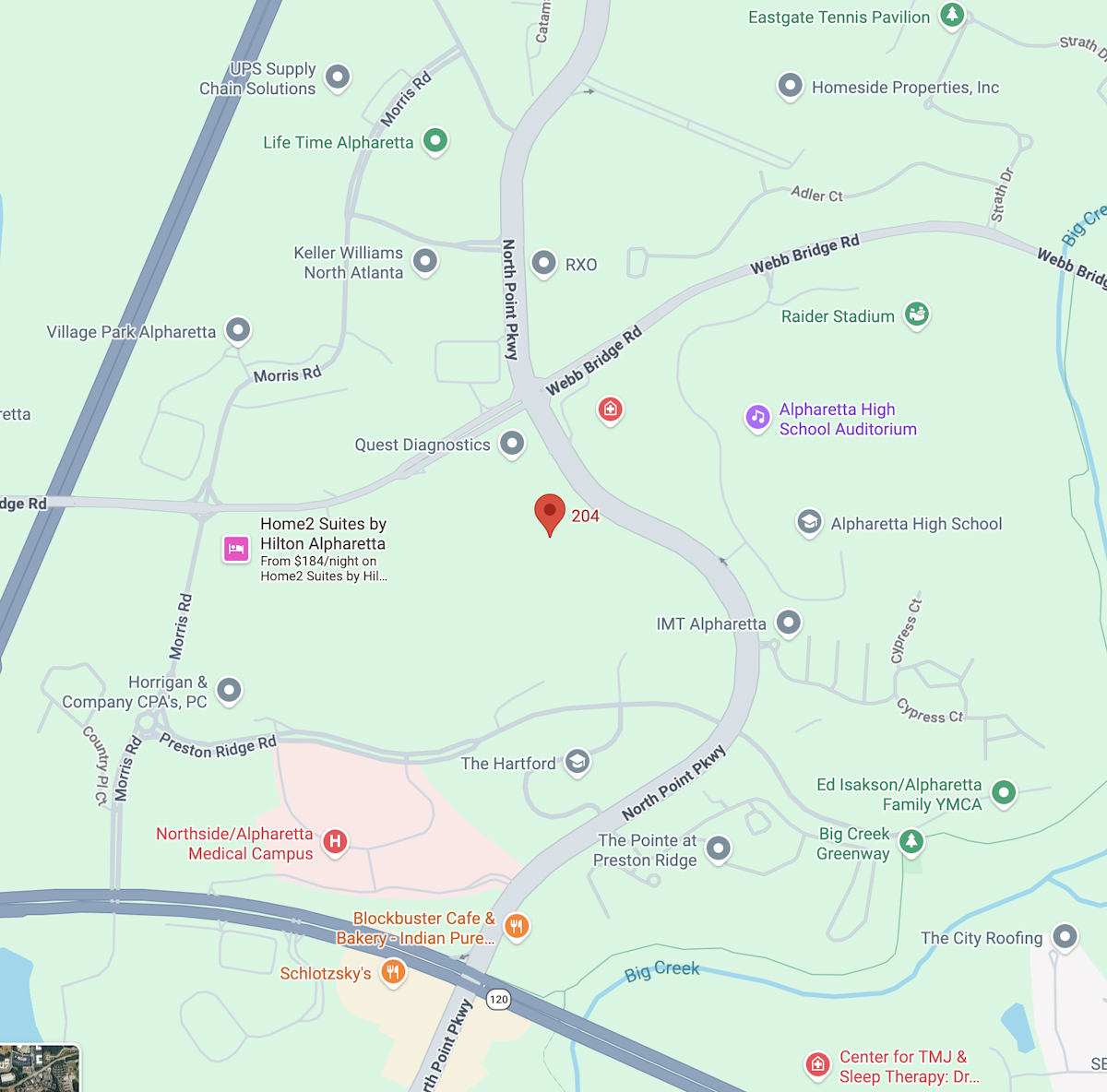
If you have been weighing CO2 laser side effects against the results you want, bring your questions to a physician-led consultation. Call (470) 704-9687, visit us at 3275 North Point Pkwy Suite 204, Alpharetta, GA 30005, or book a skin analysis with GENEVA Med to find out whether resurfacing is appropriate for your skin.
Frequently Asked Questions About CO2 Laser Side Effects
What are the most common side effects of CO2 laser resurfacing?
The most common effects are redness, swelling, warmth, tenderness, dryness and peeling or flaking as the treated surface turns over, with crusting possible after more intensive treatment. These are expected responses to a controlled ablative treatment rather than signs of a problem. How noticeable they are depends on treatment depth and density, the area treated and how your skin heals, which is why two people can have very different experiences with the same named treatment.
What are the serious risks of CO2 laser?
Less common complications include bacterial, viral or fungal infection, herpes simplex (cold sore) reactivation, prolonged redness, post-inflammatory hyperpigmentation, hypopigmentation, delayed healing, milia or breakouts during recovery, and scarring. None of these are routine outcomes, and candidate selection, appropriate settings, preparation and careful aftercare all lower the odds. Your provider should review which of these risks are most relevant to your skin before you schedule treatment.
Does CO2 laser hurt?
CO2 laser can be uncomfortable, especially at deeper settings and in sensitive areas such as around the nose, mouth and eyes. Most people describe heat, prickling and stinging during treatment, followed by a sunburn-like burning and tightness for the first several hours. Topical numbing is commonly used and makes the treatment much more tolerable, but it does not remove sensation completely, and more intensive resurfacing generally requires more comfort management.
Can CO2 laser cause hyperpigmentation?
Yes. Post-inflammatory hyperpigmentation, where treated skin becomes darker than your baseline, is a recognized risk of resurfacing and is more likely in people whose skin already responds to inflammation with dark marks. Risk is influenced by skin tone, treatment intensity, recent sun exposure and sun protection during healing. In many cases it fades over time with appropriate care, but prevention through individualized settings and preparation is the better strategy.
Can CO2 laser cause permanent scarring?
Scarring is a possible complication of ablative resurfacing, including hypertrophic scarring, but it is not an expected result of treatment. Risk rises with settings that are too aggressive for the skin being treated, untreated infection, picking at healing skin, and a personal history of keloid or hypertrophic scars. Honest screening, conservative planning when there is any doubt, and following aftercare instructions closely all help keep this risk low.
Is CO2 laser safe for darker skin tones?
It depends on the individual, the device and the settings rather than a simple yes or no. Deeper skin tones carry a higher risk of post-inflammatory pigment changes after ablative resurfacing, and research on fully ablative CO2 devices found hyperpigmentation in more than 37 percent of dark-skinned subjects. Fractional treatment, conservative settings, pre-treatment preparation and strict sun protection can reduce that risk, but candidacy should be determined through an in-person assessment of your skin tone and pigment history.
Can I have CO2 laser if I have taken Accutane?
Current or recent isotretinoin use should always be disclosed to the provider planning your treatment. Traditional guidance recommended delaying aggressive resurfacing after isotretinoin, while more recent reviews have questioned blanket restrictions for fractional laser procedures. Because the answer depends on the type and intensity of resurfacing and your individual healing factors, timing should be decided during a clinical evaluation rather than based on a universal waiting period found online.