
GENEVA
Journals
Wellness, Longevity & Aesthetics

Filter by Category

How to Get Diagnosed with ADHD: Process, Evaluation, and What to Expect | Geneva Med Spa
Getting diagnosed with ADHD involves a structured clinical evaluation by a licensed medical provider who reviews your symptoms, history, and how those symptoms affect your daily functioning — no single test is required. Adults are commonly diagnosed for the first time, and many evaluations can be completed in a single visit with treatment options discussed the same day. At Geneva Med in Alpharetta, physician-led ADHD evaluations offer same-day availability and personalized next steps so you leave with real answers, not just a follow-up appointment.
Read ArticleWritten by Dr. Jerath at 05/02/2026

ADHD Medication: Types, Stimulants vs Non-Stimulants Explained
ADHD medication falls into two main categories: stimulant medications, which work within hours to boost dopamine and norepinephrine, and non-stimulant medications, which build gradually over days to weeks for steady symptom control. The best choice depends on your individual symptoms, health history, and how your body responds, making physician-guided evaluation essential. At Geneva Med in Alpharetta, ADHD care includes a thorough evaluation, personalized treatment planning, and ongoing monitoring to help you find and maintain the right fit.
Read ArticleWritten by Dr. Jerath at 05/01/2026

ADHD Medication vs Behavioral Therapy: What’s the Best Approach?
ADHD medication and behavioral therapy work through different mechanisms and serve different goals, making them complementary rather than competing options. Medication improves focus and impulse control at the neurological level, while behavioral therapy builds habits, organization, and coping strategies that support long-term daily function. For most people with moderate to severe ADHD, a combination approach guided by a physician produces the most effective and sustainable results.
Read ArticleWritten by Dr. Jerath at 04/30/2026

ADHD Medication and Treatment: How It Works, Options, and What to Expect
ADHD is a neurodevelopmental condition that affects far more than attention — it impacts impulse control, emotional regulation, and daily functioning. Effective ADHD treatment typically combines medication that regulates brain chemistry with behavioral strategies and ongoing medical monitoring to produce lasting improvement. At Geneva Primary Care and Med Spa in Alpharetta, physician-led ADHD care is personalized to each patient and adjusted over time for the best long-term outcomes.
Read ArticleWritten by Dr. Jerath at 04/15/2026

Best Med Spas in Atlanta (2026 Guide)
The best med spas in Atlanta offer more than just individual treatments, focusing instead on personalized care and long-term results. Geneva Med Spa stands out by combining primary care, aesthetics, and wellness into one experience, using biomarker testing and direct physician interaction to guide treatment plans. Services like Botox, fillers, laser treatments, medical weight loss, and peptide therapy are designed to work together, helping patients achieve results that are both visible and sustainable over time.
Read ArticleWritten by Dr. Jerath at 04/06/2026

Botox for Excessive Sweating and Rosacea: Hyperhidrosis and Skin Flushing Treatment
Botox injections can help treat excessive sweating and certain rosacea flushing symptoms by blocking nerve signals that activate sweat glands and blood vessels in the skin. Botulinum toxin type A reduces overactive nerve activity, helping decrease sweat production and calm inflammatory flushing. Results typically last four to six months for hyperhidrosis, and treatment plans are customized based on the affected areas and individual symptoms.
Read ArticleWritten by Dr. Jerath at 03/20/2026
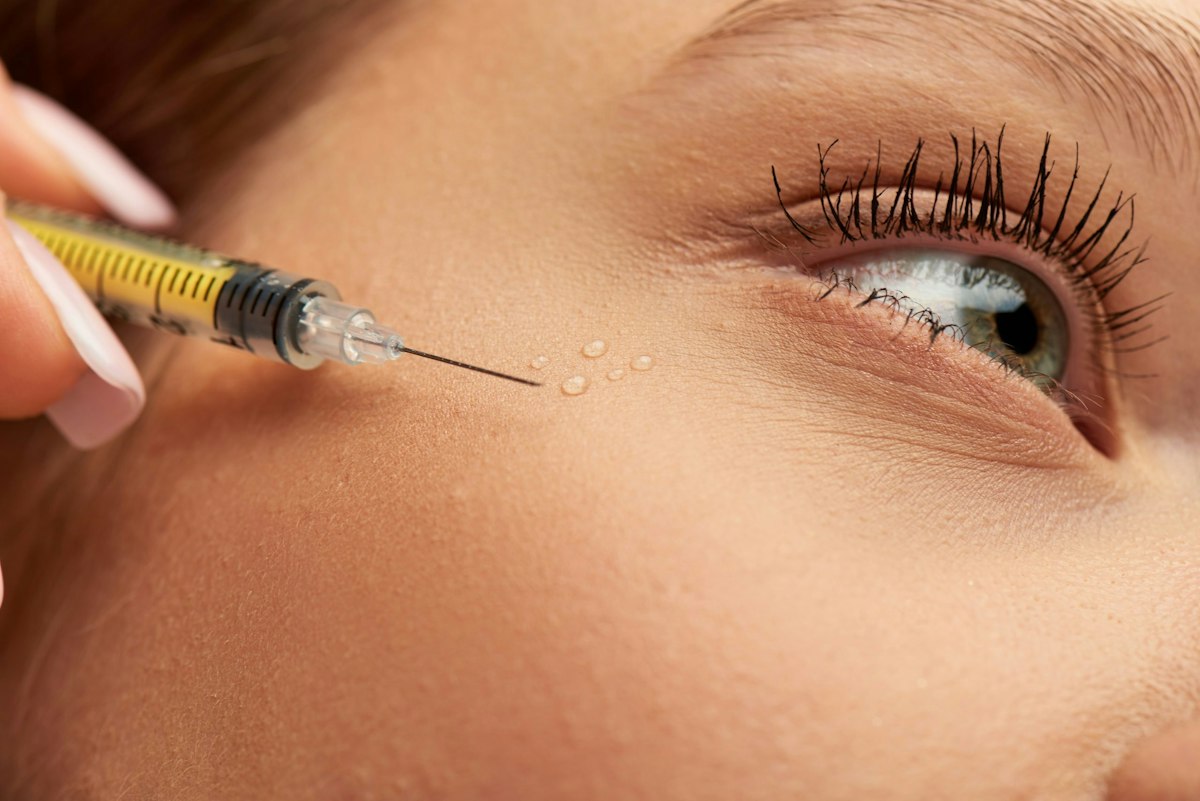
Botox for Eye Twitching and Facial Spasms: Blepharospasm and Hemifacial Spasm Treatment
Botox injections can effectively treat persistent eye twitching and facial spasms caused by neurological conditions such as blepharospasm and hemifacial spasm. Botulinum toxin type A works by blocking nerve signals that trigger involuntary muscle contractions, helping relax the muscles around the eyes and face. Treatments typically last three to four months and can significantly reduce twitching, improve facial control, and restore comfort with physician directed care.
Read ArticleWritten by Dr. Jerath at 03/18/2026

Botox for Muscle Spasms: Cervical Dystonia, Spasticity and Neurological Movement Disorders
Botox injections can help treat muscle spasms and neurological movement disorders by relaxing overactive muscles. Botulinum toxin type A works by blocking nerve signals that trigger involuntary muscle contractions, helping reduce pain, stiffness, and abnormal movements. It is commonly used for conditions such as cervical dystonia, muscle spasticity, and certain motor tic disorders, with results typically lasting about three to four months before maintenance treatment may be needed.
Read ArticleWritten by Dr. Jerath at 03/16/2026

Botox for Chronic Migraine: How Injections Reduce Severe Headaches
Botox is an FDA approved treatment for chronic migraine prevention in patients who experience frequent headaches each month. By blocking nerve signals involved in pain pathways, botulinum toxin type A injections can reduce migraine frequency, severity, and trigger sensitivity. Treatments typically involve multiple small injections around the head and neck and are repeated every twelve weeks to maintain results. Many patients experience fewer migraine days and improved daily functioning with consistent physician directed care.
Read ArticleWritten by Dr. Jerath at 03/13/2026