
GENEVA
Journals
Wellness, Longevity & Aesthetics

Filter by Category

Botox for Medical Conditions: Migraine, Muscle Spasms, Excess Sweating and More
Botox is a purified form of botulinum toxin type A used medically to treat conditions caused by overactive nerves or muscles. By blocking specific nerve signals, Botox can reduce symptoms associated with chronic migraines, muscle spasms, neurological movement disorders, and excessive sweating. Results typically last several months, and treatment plans are customized based on the patient’s condition, anatomy, and medical evaluation by a trained provider.
Read ArticleWritten by Dr. Jerath at 03/11/2026

Dysport Side Effects & Safety – A Complete Medical Guide for Patients
Dysport (abobotulinumtoxinA) is an FDA-approved neuromodulator that is considered safe when administered by a trained medical provider. Most Dysport side effects are mild and temporary, including redness, swelling, bruising, or headache. Rare complications such as eyelid droop are uncommon and typically resolve on their own. Safety depends primarily on proper dosing, facial anatomy expertise, and medical supervision. Physician-directed care significantly reduces risk while ensuring natural, balanced results.
Read ArticleWritten by Dr. Jerath at 03/03/2026

Dysport vs Botox in Alpharetta – A Complete Comparison Guid
Dysport and Botox are both FDA approved botulinum toxin type A neuromodulators used to reduce dynamic wrinkles. Dysport may have a slightly faster onset and broader diffusion, while Botox allows for more localized precision. Both typically last three to four months, and units are not interchangeable. The best choice depends on facial anatomy, muscle strength, and injection technique. Physician directed customization ensures natural, balanced results regardless of brand.
Read ArticleWritten by Dr. Jerath at 03/02/2026
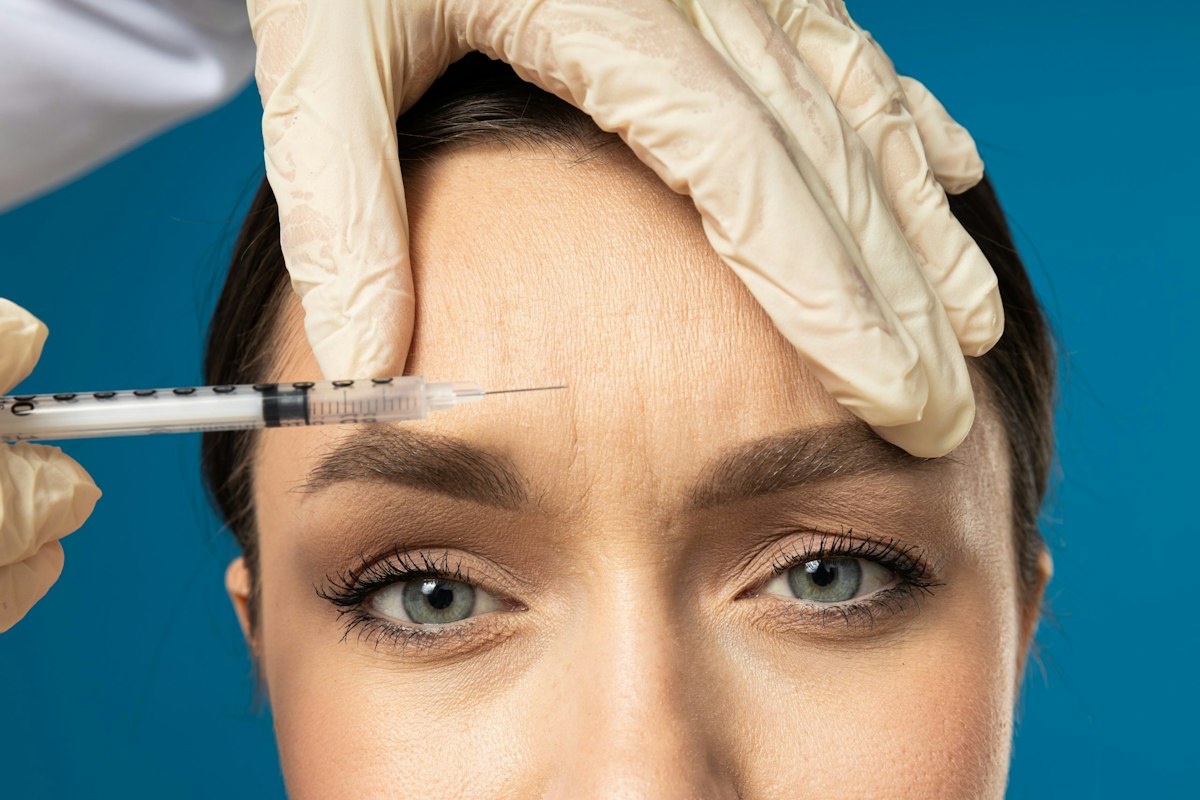
Dysport Injections: How They Work, What to Expect & Who They’re Best For
Dysport is an FDA-approved botulinum toxin type A neuromodulator used to soften dynamic wrinkles such as forehead lines, frown lines, and crow’s feet. It works by temporarily relaxing targeted facial muscles, reducing repetitive creasing while preserving natural expression when properly dosed. Results typically begin within 2 to 3 days and last about 3 to 4 months. Physician-directed treatment and precise injection technique are essential for safe, balanced, and natural-looking outcomes.
Read ArticleWritten by Dr. Jerath at 02/28/2026

HDL vs. LDL: Making Sense of Your Good and Bad Cholesterol
Cholesterol screening measures HDL, LDL, triglycerides, and total cholesterol to assess heart disease risk. HDL, or good cholesterol, helps remove excess cholesterol from arteries, while LDL, or bad cholesterol, contributes to plaque buildup. Understanding your good cholesterol numbers and overall lipid balance allows for early intervention through lifestyle changes or medication when necessary. Physician-led cholesterol screening helps reduce long-term heart attack and stroke risk.
Read ArticleWritten by Dr. Jerath at 02/26/2026

Telehealth for Chronic Care: Monitoring Your Health from Home
Telehealth services allow patients to manage chronic conditions such as hypertension, diabetes, and thyroid disorders through secure virtual visits. Regular monitoring, medication adjustments, and lab reviews can be conducted safely from home under physician supervision. Integrated telehealth care improves consistency, reduces treatment delays, and protects long term health without unnecessary travel.
Read ArticleWritten by Dr. Jerath at 02/24/2026

Controlling High Blood Pressure With Lifestyle Changes and Medication
High blood pressure is a silent condition that increases the risk of heart attack, stroke, kidney disease, and long term organ damage. Effective control requires a combination of lifestyle changes, medication when necessary, and consistent monitoring by a high blood pressure doctor. A personalized hypertension care plan that includes nutrition, exercise, stress management, and proper medication dosing helps reduce complications and protect long term heart health.
Read ArticleWritten by Dr. Jerath at 02/22/2026

Arthritis and Joint Pain Management: Staying Mobile as You Age
Arthritis and joint pain become more common with age but do not have to lead to loss of mobility or independence. Early evaluation, physician led pain management, movement based therapy, and targeted non surgical treatments can significantly reduce symptoms and preserve function. With structured care and lifestyle adjustments, many patients maintain mobility in old age and continue living actively as part of healthy aging.
Read ArticleWritten by Dr. Jerath at 02/20/2026

Healthy Aging: Preventive Screenings for the Golden Years
Preventive health screenings become increasingly important after age 65 as the risk of heart disease, osteoporosis, cognitive decline, and other age related conditions rises. Health screenings by age help detect problems early, preserve mobility, protect independence, and reduce hospitalizations. Physician led preventive care ensures testing is individualized, evidence based, and aligned with each patient’s overall health and functional goals. Proactive screening supports healthier aging and long term quality of life.
Read ArticleWritten by Dr. Jerath at 02/18/2026