
GENEVA
Journals
Wellness, Longevity & Aesthetics

Filter by Category

Acute Care vs. Emergency Room: Making the Right Call
Acute care provides same day medical evaluation for sudden but stable illnesses and injuries that require prompt attention but are not life threatening. It bridges the gap between routine primary care and emergency services, treating infections, minor injuries, pain, and dehydration while maintaining physician led oversight and coordinated follow up. Emergency care is reserved for severe symptoms such as chest pain, difficulty breathing, stroke signs, or major trauma. Choosing the right level of care ensures faster treatment, lower cost, and safer outcomes when unexpected symptoms arise.
Read ArticleWritten by Dr. Jerath at 02/16/2026

Transitioning from Pediatric to Adult Care: What Parents Need to Know
The transition from pediatric to adult primary care is a critical step in long term health. As teens become young adults, healthcare shifts toward independence, legal privacy, and preventive planning. Physician led adult primary care helps ensure continuity, supports independent decision making, and reduces gaps in care. A structured transition sets the foundation for lifelong health and preventive wellness.
Read ArticleWritten by Dr. Jerath at 02/14/2026

Best Botox Deals in Alpharetta
Botox remains one of the most effective and affordable cosmetic treatments when performed with proper technique and dosing. While many clinics advertise specials, true value comes from transparent pricing, medical oversight, and natural looking results. At GENEVA Med Spa in Alpharetta, Botox is offered at $9 per unit for new patients and $12 per unit standard, with Dysport at $5 and $6 per unit, and no complicated membership requirements. Physician led evaluation ensures personalized treatment, balanced outcomes, and long lasting results for patients throughout Alpharetta and North Atlanta.
Read ArticleWritten by Dr. Jerath at 02/13/2026

Why Every Man Needs a Prostate Health Screening
Prostate cancer is highly treatable when detected early, yet many men delay screening due to uncertainty or lack of information. Prostate health screening uses blood testing and clinical assessment to identify early changes before symptoms appear. Physician led screening allows for personalized timing, accurate interpretation of results, and early intervention when needed. Preventive prostate care supports long term health, peace of mind, and improved survival outcomes.
Read ArticleWritten by Dr. Jerath at 02/12/2026

Signs of Low T: Is Testosterone Therapy Right for You?
Low testosterone can affect energy, mood, muscle mass, sexual health, and overall quality of life, often developing gradually over time. Testosterone replacement therapy is only appropriate when low levels are confirmed through lab based testing and correlated with persistent symptoms. Physician led evaluation ensures underlying causes, risks, and contraindications are carefully assessed before treatment begins. With proper dosing, regular monitoring, and ongoing medical supervision, testosterone therapy can safely support symptom improvement and long term men’s health.
Read ArticleWritten by Dr. Jerath at 02/10/2026

Medication Management: Keeping Your Prescriptions Safe and Effective
Prescription medication management helps keep treatments safe and effective by reducing the risk of drug interactions, side effects, and dosing errors. It involves regular physician led review of all prescriptions, supplements, and over the counter medications to ensure they remain appropriate as health needs change. Medication reviews are especially important when starting new treatments, managing multiple conditions, or experiencing new symptoms. Ongoing medical oversight improves safety, coordination of care, and long term treatment outcomes.
Read ArticleWritten by Dr. Jerath at 02/07/2026

How Long Does Semaglutide Take to Work? A Realistic Weight Loss Timeline
Semaglutide does not cause immediate weight loss, but it begins working within the first one to two weeks by reducing appetite and food noise. Measurable weight loss often starts around weeks three to four, with more consistent fat loss developing by weeks five to eight. By months three to six, many patients experience meaningful and sustainable weight loss when semaglutide is combined with proper dosing, nutrition, and medical supervision. Slower progress is normal and does not indicate failure.
Read ArticleWritten by Dr. Jerath at 01/25/2026

Semaglutide Side Effects: What’s Normal, What’s Not & How to Manage Them Safely
Semaglutide side effects are common early in treatment and usually mild and temporary. Symptoms such as nausea, fatigue, constipation, or diarrhea occur because the medication slows digestion and alters appetite signaling. With gradual dose increases, proper nutrition, hydration, and physician guided care, most side effects improve within one to two weeks and rarely interfere with long term success. Serious complications are uncommon and are screened for and monitored in medically supervised programs.
Read ArticleWritten by Dr. Jerath at 01/23/2026
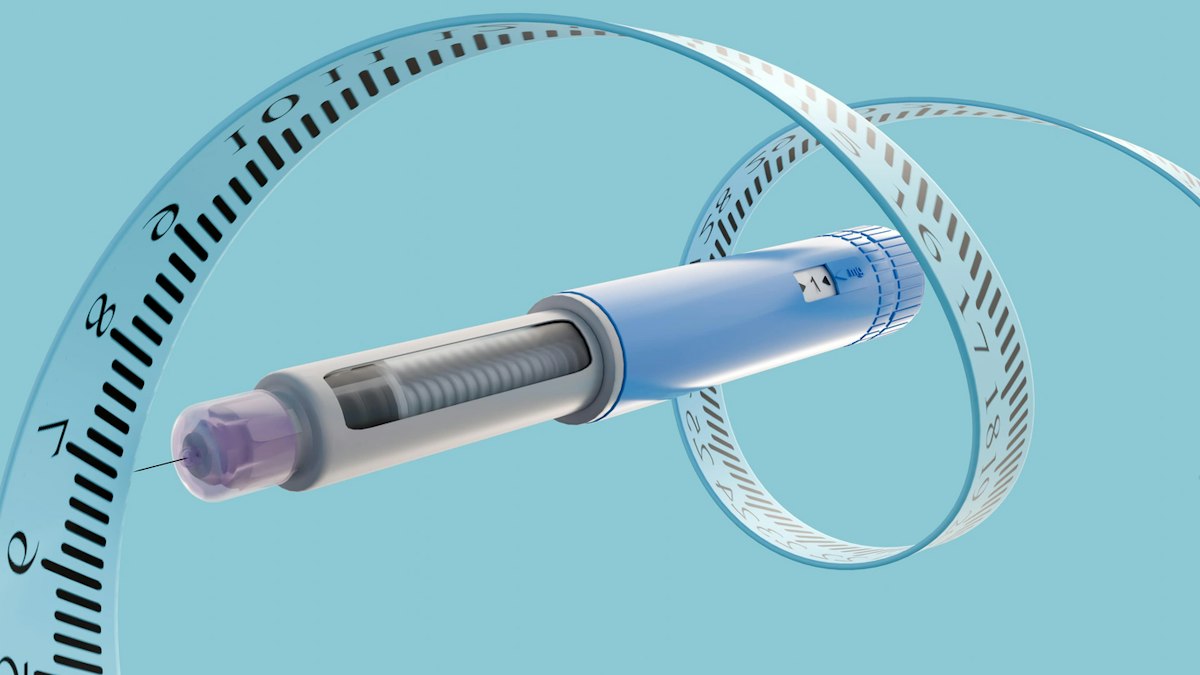
Semaglutide Dosage Explained: How Weekly Dosing Works for Weight Loss
This article explains how semaglutide dosage works for weight loss and why weekly titration is essential for safety and long term success. Semaglutide works through hormonal appetite regulation, not stimulation, which means starting low and increasing gradually helps prevent nausea, fatigue, and treatment dropout. Many patients lose weight at lower doses, and the most effective plan is always individualized under physician supervision rather than pushing to the highest dose.
Read ArticleWritten by Dr. Jerath at 01/21/2026