By Dr. Jerath|OCT 2ND 2026
All CO2 lasers work at the same wavelength, which is absorbed by the water in your skin. What changes between protocols is depth, pulse style, and how much heat is left behind. Medical reference literature notes that pulsed CO2 systems ablate tissue at a more superficial depth, roughly 20 to 100 micrometers, than older continuous-wave systems. The same laser can take off a whisper-thin layer or go considerably further, and that single decision shapes both your results and your recovery.
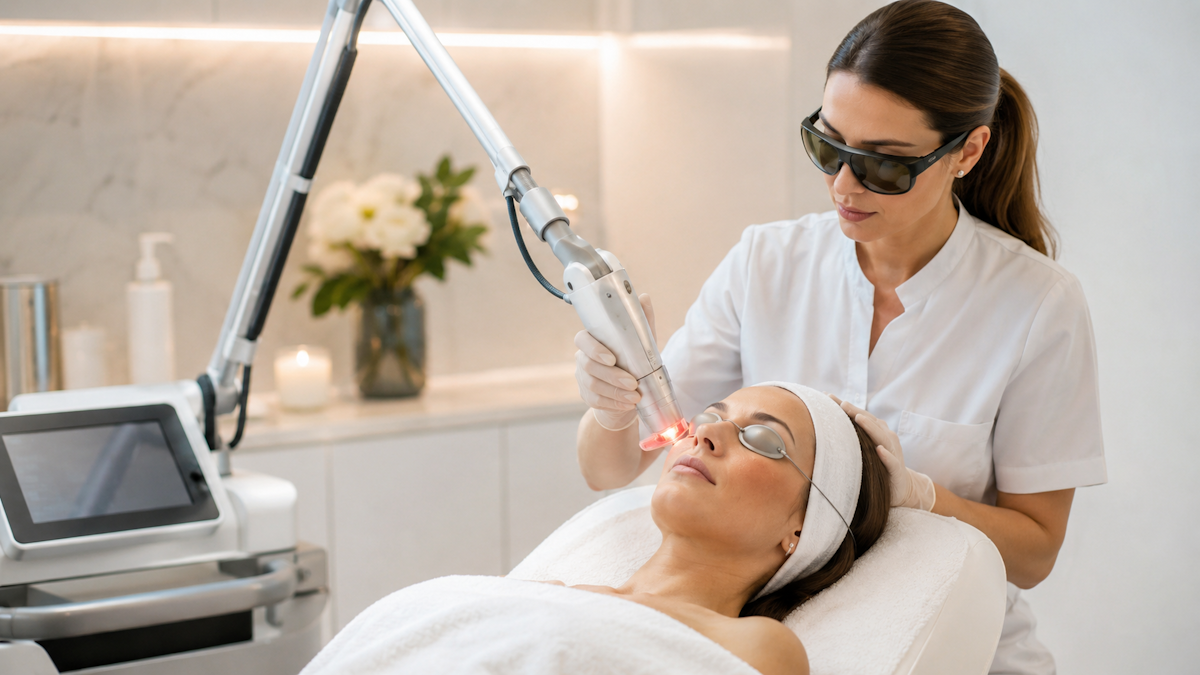
Geneva Med performs both approaches on the HELIX platform by Cartessa, which is why laser skin resurfacing here is a range of intensities rather than one fixed procedure. CoolPeel itself is a branded protocol performed on an FDA-cleared CO2 laser platform, not a separate device category.
The Main Difference Is How Aggressively the Skin Is Resurfaced
CoolPeel Uses Short, High-Peak-Power CO2 Pulses
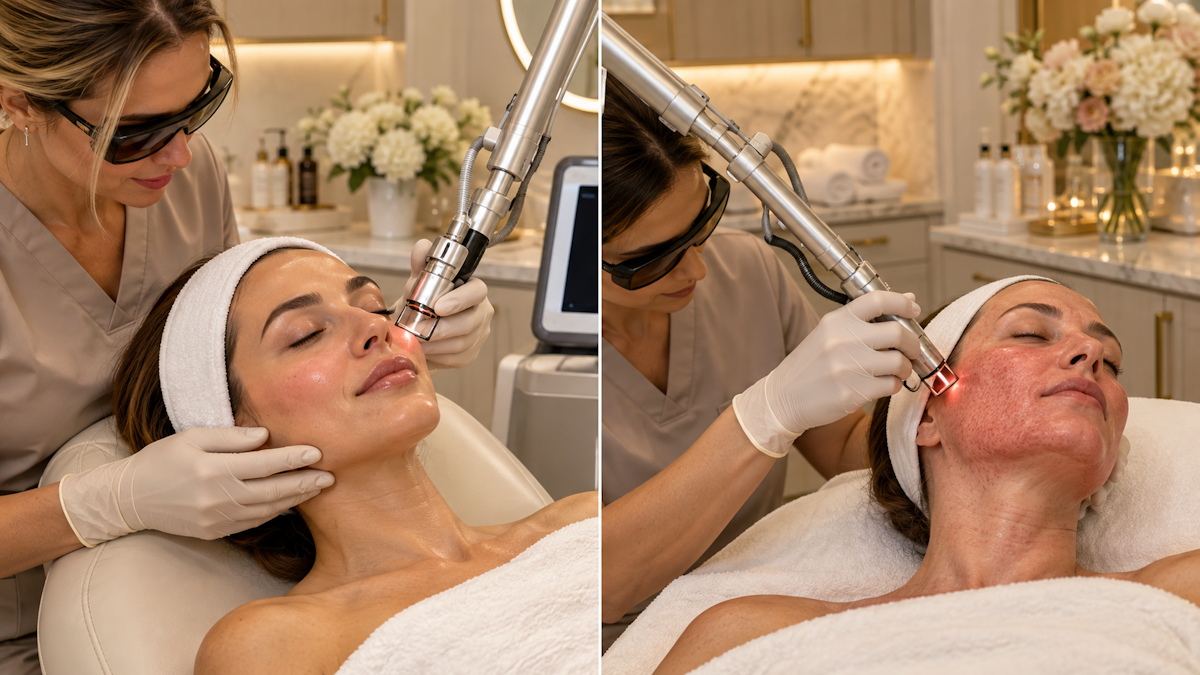
CoolPeel is ablative, meaning it removes a very thin layer of damaged surface skin. The pulses are fast and powerful, so the energy does its work and leaves before much heat spreads sideways. The payoff is a treatment that refreshes tone, smooths rough texture, and softens the look of pores with shorter visible recovery than a deeper pass would require.
Deeper CO2 Uses Greater Treatment Depth and Intensity
Turning the intensity up removes more surface tissue and sends more controlled heat into the deeper layer of skin. That heat triggers collagen remodeling, the gradual rebuilding of the skin's support structure that softens indented scars and etched lines over the following months. A review of fractionated CO2 practice points out that the same thermal effect responsible for dermal remodeling also drives the downtime and the risk when treatment is pushed too far. Depth is a tool, not a bonus, and it should match the concern and the recovery you can realistically take.
Fractional Treatment Leaves Untreated Skin Between Treated Zones
Both approaches are fractional: the beam is split into many microscopic columns instead of treating the whole surface at once, and the untreated skin in between speeds healing. For the broader picture of how these devices differ from light-based options, our overview of how laser skin treatments work covers the categories side by side.
Treatment Choice Should Match the Depth and Severity of the Concern
CoolPeel Often Fits More Superficial Concerns
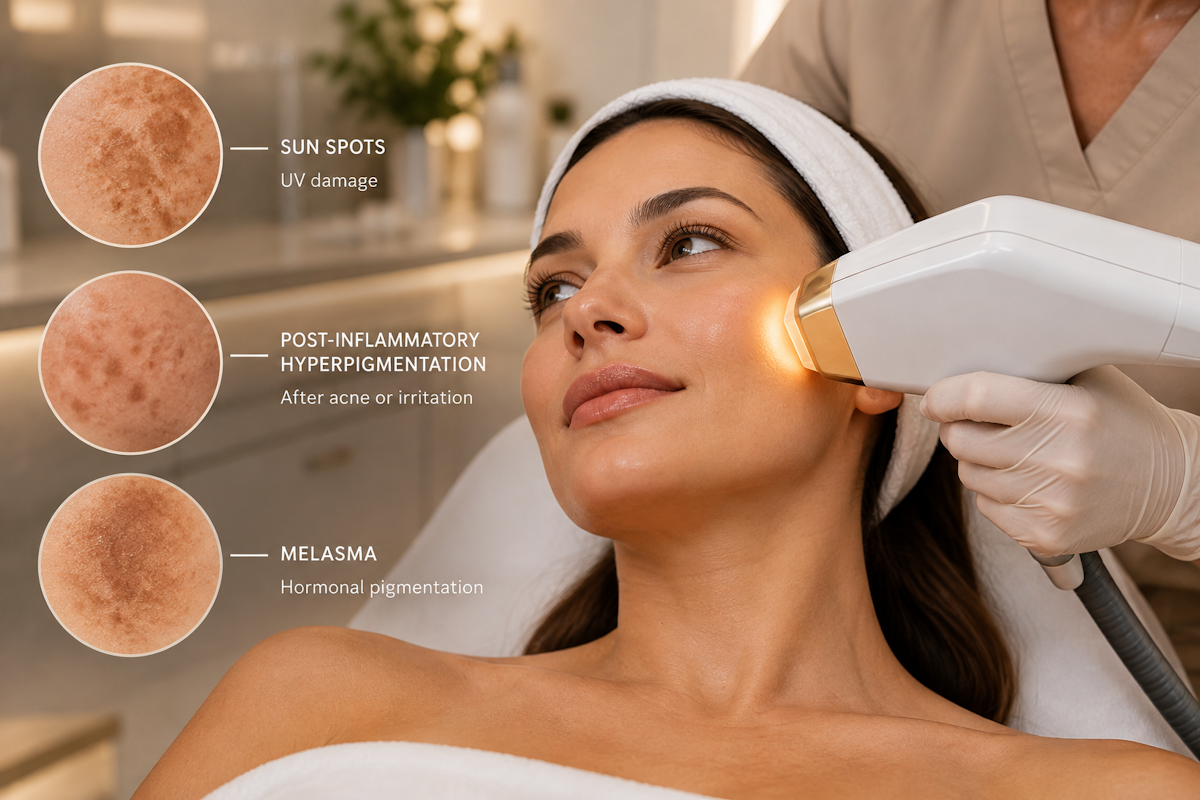
Lighter resurfacing suits skin that is dull, rough, or losing its evenness rather than structurally damaged: fine lines, enlarged-looking pores, uneven tone, early sun damage, and mild post-acne texture. It is also a sensible choice if your goal is ongoing skin quality rather than one dramatic correction.
Deeper CO2 Suits More Established Concerns
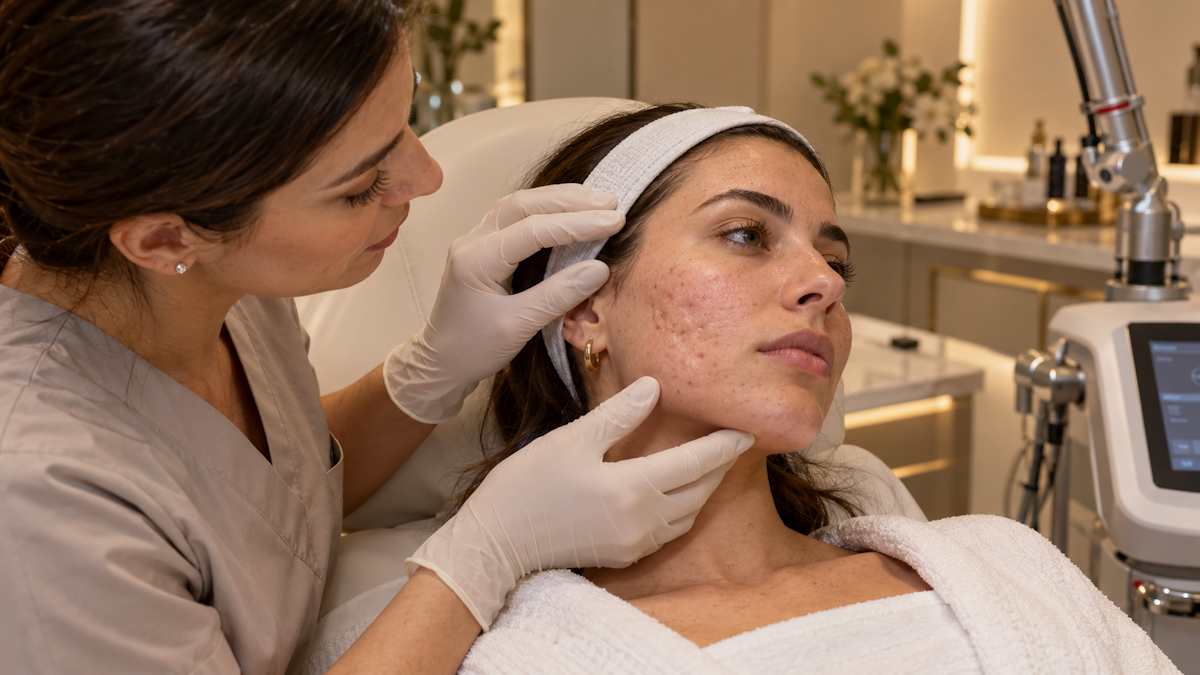
When the concern lives below the surface, superficial treatment may not reach it. Deeper CO2 laser resurfacing is generally considered for established acne scars, etched lines that stay visible when your face is at rest, pronounced textural irregularity, and more significant sun damage.
Most Concerns Exist on a Spectrum
Nobody simply has wrinkles. Very fine crepey lines, moderate textural lines, and deeply etched creases need different settings, and shallow post-acne roughness is not the same thing as deep atrophic scarring, where the skin is indented because tissue was lost. That spectrum is why treatment intensity is a clinical decision. If scarring is your main concern, our guides to acne scar treatment and to laser treatments for wrinkles and fine lines go deeper on each.
The Biggest Tradeoff Is Treatment Intensity vs Recovery
| Factor |
CoolPeel |
Deeper CO2 Resurfacing |
| Technology |
Fractional ablative CO2 |
Fractional ablative CO2 |
| Treatment depth |
More superficial |
Deeper, more intensive |
| Often used for |
Fine lines, pores, mild texture, early sun damage |
Acne scars, etched lines, deeper texture, significant sun damage |
| Collagen remodeling |
Yes |
Yes, typically with greater intensity |
| Visible recovery |
Generally lower |
Generally higher |
| Treatment series |
May be performed as a series |
Depends on concern and intensity |
| Best fit |
Lighter renewal with less downtime |
Concerns that justify more intensive resurfacing |
CoolPeel generally makes more sense when the goal is superficial renewal with less visible downtime, while deeper CO2 may be more appropriate when acne scars, etched lines, or significant texture changes require greater depth. Neither option is universally better.
CoolPeel Is Designed to Reduce Visible Recovery
After CoolPeel, most people notice temporary redness and warmth, some dryness, and a rough, sandpaper-like feel that gives way to mild flaking over the next few days. It is a minimal-downtime option for most people, but minimal is not none, and how you heal depends on your skin and the settings used.
Deeper treatment asks more of you: more noticeable redness, swelling, peeling, and sensitivity, with a longer social recovery window. Cleveland Clinic notes that areas treated with CO2 resurfacing generally heal in 10 to 21 days depending on the condition treated and the strength of the settings. That is a benchmark for full-strength treatment, not a promise about your appointment.
It helps to separate visible downtime, when you would rather not be photographed, from complete healing, which continues quietly underneath for longer. Many people return to normal routines and makeup before every trace of pink has faded. Our walkthrough of CO2 laser recovery stages and aftercare maps out each phase.
Better Depends on What You Are Trying to Treat
More aggressive does not automatically mean better. If your concerns are pores, mild fine lines, and surface texture, a deeper treatment can hand you a recovery you did not need for the result you wanted. If you have established scarring or deeply etched lines, a very superficial treatment may not reach far enough to change them.
Results per Treatment vs a Treatment Series
CoolPeel is often performed as a series, each session building on the last, then used periodically to maintain tone and texture. More intensive CO2 may produce more change per session, but session count still varies with scar severity and goals, and deeper treatment is not automatically one and done.
Collagen Remodeling Continues After the Surface Heals
Your skin's surface recovers first, while the collagen response keeps developing for weeks to months afterward. That is why the smoothing effect of either approach tends to look better at your follow-up than it did the week after treatment. Results vary from person to person.
Recovery Tolerance Is Only One Part of Treatment Selection
Severity of the concern comes first. After that, your real-life calendar matters: work, travel, a wedding, family photos. Planning with comfortable space before anything important beats squeezing treatment in close to the date.
Your skin type and tone, medical history, medications, and past procedures (previous laser sessions, chemical peels, microneedling) all influence which treatment is chosen and how it is dialed in. Some people genuinely prefer gradual, lighter sessions; others would rather accept more recovery once. Neither preference is wrong, and if you are still sorting out the categories, our comparison of IPL, laser, and resurfacing options is a useful starting point.
Laser Resurfacing Does Not Have to Be an Either-Or Decision Forever
Treatment plans evolve. CoolPeel can be a lighter entry into resurfacing, part of a series, maintenance after you reach your initial goals, or a step between more intensive sessions. Someone who starts light may later decide a specific concern is worth more recovery. Sequencing should be guided by your provider, not by a formula.
Where Fusion Fits
The HELIX platform can also blend CO2 with non-ablative 1570 nm energy in a treatment called Fusion. Non-ablative means that second wavelength heats deeper tissue without removing surface skin. Fusion may be considered when both surface resurfacing and deeper collagen remodeling make sense in the same session.
Start With the Skin Concern and Recovery Goal, Not the Treatment Name
At Geneva Med, choosing between CoolPeel vs CO2 laser resurfacing starts with a skin analysis: what the concern actually is, how established it is, your skin type and tone, your medical history and prior procedures, the result you want, and the recovery you can accommodate. Only then is a treatment name chosen, whether that is CoolPeel, deeper fractional CO2 resurfacing, or Fusion. Geneva Med offers personalized CoolPeel and CO2 laser resurfacing at its Alpharetta clinic for patients from Alpharetta, Johns Creek, Milton, and throughout Greater Atlanta.
To find out which level of resurfacing fits your skin, book a skin analysis with Geneva Med or call (470) 704-9687. You will find us at 3275 North Point Pkwy Suite 204, Alpharetta, GA 30005.
FAQs
Is CoolPeel the same as CO2 laser resurfacing
CoolPeel is a type of CO2 laser resurfacing, not a different technology. It uses the same fractional ablative CO2 energy, delivered in short, high-peak-power pulses that treat the surface of the skin while limiting heat spread into surrounding tissue. When people compare CoolPeel to CO2, they are really comparing a lighter, superficial CO2 protocol with a deeper, more intensive one.
Is CoolPeel less aggressive than CO2 laser
CoolPeel is less aggressive than deeper or more intensive CO2 resurfacing, but it is still a CO2 treatment. It removes a very thin layer of surface skin and generates less thermal effect, which is why visible recovery is typically shorter. Intensity is adjustable, so the gap between a light CoolPeel session and a deeper CO2 session depends on the settings your provider selects.
Is CoolPeel or deeper CO2 better for acne scars
It depends on the scars. Mild post-acne roughness and uneven texture may respond well to lighter CoolPeel resurfacing, often performed as a series. Established indented scars, where tissue has been lost, usually need greater treatment depth to stimulate meaningful collagen remodeling. A provider should assess scar type and depth in person, since most people have a mix of scar types rather than one.
Is CoolPeel or CO2 better for wrinkles
Fine, superficial lines and crepey texture often suit CoolPeel, while lines that stay etched into the skin when your face is relaxed generally call for deeper CO2 resurfacing. Neither is universally better for wrinkles. The deciding factor is how deeply the line sits in the skin, which is why line severity is assessed before any setting is chosen.
Which has more downtime, CoolPeel or deeper CO2 resurfacing
Deeper CO2 resurfacing involves more visible recovery. Expect more noticeable redness, swelling, peeling, and sensitivity, and a longer window before you feel camera-ready. CoolPeel typically brings temporary redness, dryness, a rough texture, and light flaking over a shorter period. Individual healing varies with settings, skin type, and aftercare, so no single timeline applies to everyone.
Does deeper CO2 give better results than CoolPeel
Not universally. Deeper treatment produces more change when the concern genuinely sits below the surface, such as established scarring or etched lines. For pores, mild fine lines, and surface texture, deeper settings may add recovery without adding benefit. Success means matching treatment intensity to the concern, not choosing whichever option sounds strongest.
How many CoolPeel vs CO2 treatments will I need
Treatment numbers are individualized. CoolPeel is often performed as a series, with sessions spaced out and periodic maintenance afterward to preserve tone and texture. The number of deeper CO2 sessions depends on the concern being treated and the intensity used, and deeper treatment does not automatically mean a single session will be enough. Your provider will outline a plan after assessing your skin.